Inverted Bob Hairstyle That Is Chic, Modern, and Absolutely Stunning
The inverted bob is having a real moment, with salons booked out by women asking for this exact cut. Stacking the hair shorter at the back and longer at the front creates a dramatic angled shape that frames the face well, and the cut suits a wide range of hair types and face shapes — part of why it’s become one of the more requested haircuts around right now.
What makes it so appealing is its range. Worn sleek and polished, it suits a professional setting; tousled, it reads casual weekend. Colour, texture, bangs, or layers each shift the personality of the cut considerably. Twelve of the most notable versions of the inverted bob follow below.
The Classic Stacked Inverted Bob
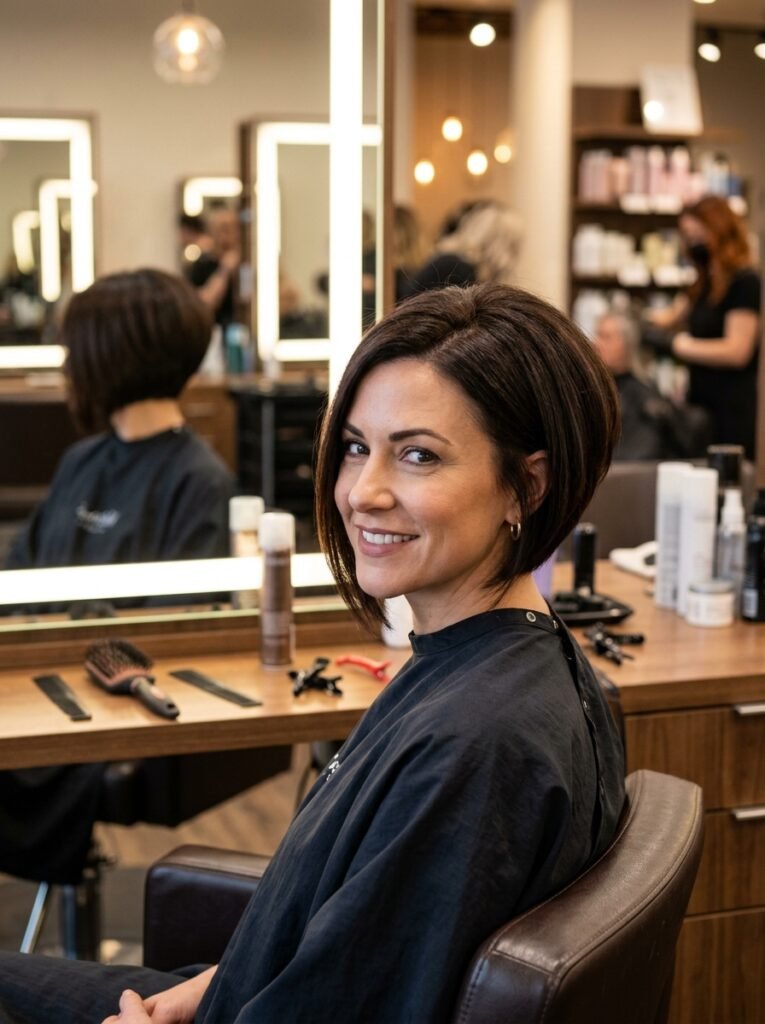
The classic stacked version is where most people start with this cut. Short and tight at the nape, it gradually lengthens toward the chin, with stacked layers at the back building volume and height while the longer front pieces frame the face. The result reads clean and precise.
That stacked back is the defining feature — layers cut to build on top of each other create a rounded, full shape that looks polished from every angle and holds its structure well through the day.
This version suits straight or slightly wavy hair best, since smooth texture lets the stacked shape read clearly. Fine hair does especially well here, since the stacking builds the illusion of density. A reference photo brought to the appointment helps communicate the exact finish wanted.
The Textured Inverted Bob
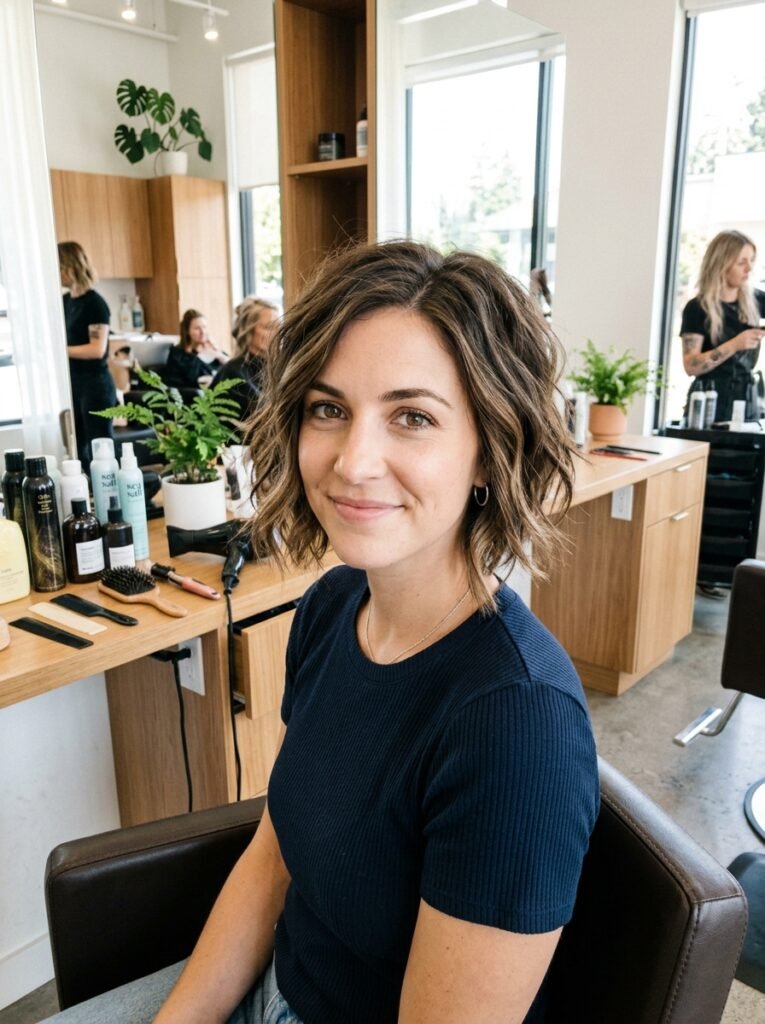
The textured version takes the classic shape and relaxes it. Choppy, layered ends replace the smooth polished finish, adding movement while the overall silhouette stays the same — a look better suited to easy, everyday styling than a precise daily routine.
Texture works particularly well on wavy or naturally curly hair, enhancing what the hair already does. A sea salt spray on damp hair, scrunched gently and left to air dry or diffuse, gets there without much effort.
On straight hair, a razor or point-cutting technique at the ends builds a similarly soft, fragmented finish. A little texturising cream worked through the lengths adds grit and keeps the style looking intentional day to day.
The Sleek Angled Bob
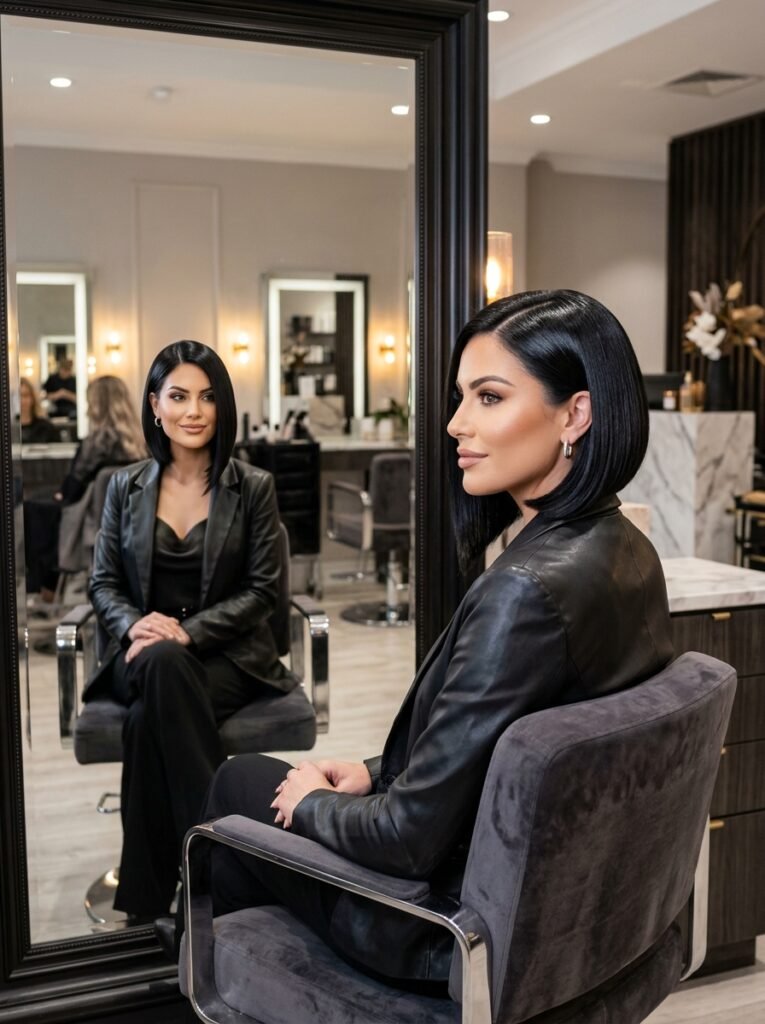
The sleek angled bob is the most polished version of the cut, with a very short back and significantly longer front pieces. The contrast builds a sharp, graphic line that reads intentional and modern — a fit for anyone drawn to clean lines and a high-fashion aesthetic.
Achieving it depends on a good flat iron and the right products: heat protectant on damp hair before blow-drying, a paddle brush to smooth each section, then a flat iron for the final sleek finish. A few drops of glossing serum add the mirror-like shine that defines the look.
The cut photographs particularly well, since the strong angle builds a dynamic shape in any image. Oval, heart, and oblong face shapes suit it especially, with the long front pieces drawing the eye downward for an elongating effect.
The Curly Inverted Bob
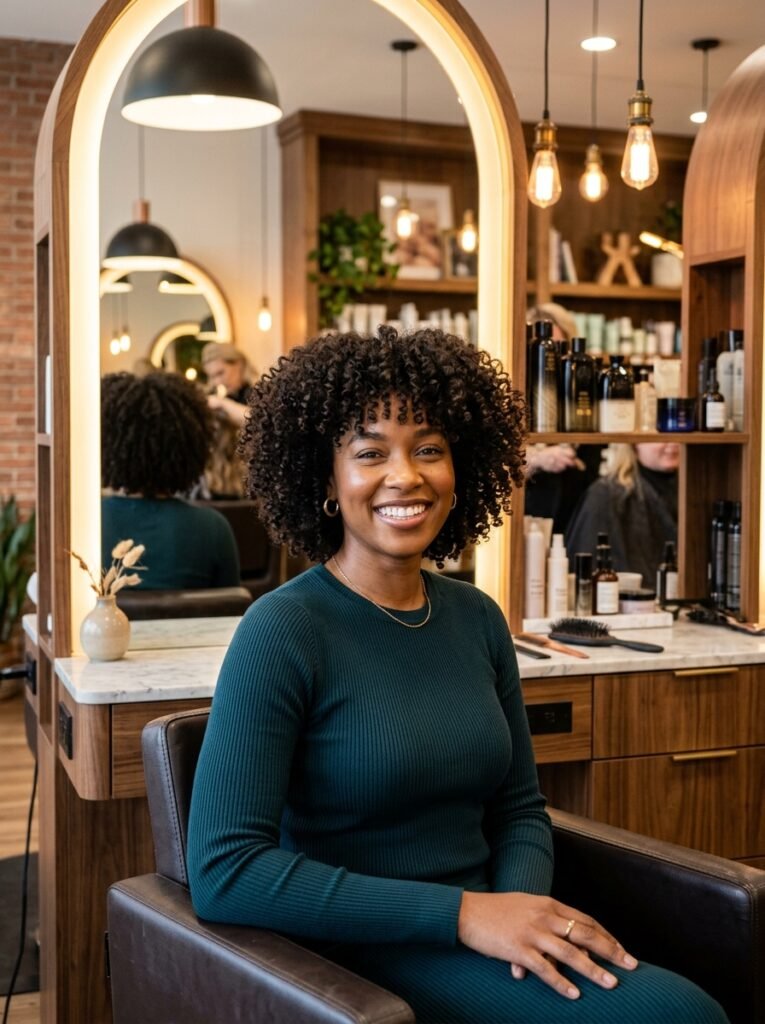
Curly hair and the inverted bob suit each other well — natural volume fills out the stacked back into a rounded, full silhouette, while the longer front curls frame the face with real texture.
Finding the right stylist matters more here than for most cuts. Curly hair shrinks noticeably as it dries, and a stylist quoted by PureWow explains that cutting curls wet can lead to unexpected lengths once dry — a dry-cutting specialist tends to get closer to the intended result.
Styling stays simple: leave-in conditioner on soaking wet hair, curl cream or a light gel worked in section by section, scrunched upward to encourage the natural pattern, then diffused on low heat. The result holds its definition well.
The Inverted Bob with Curtain Bangs
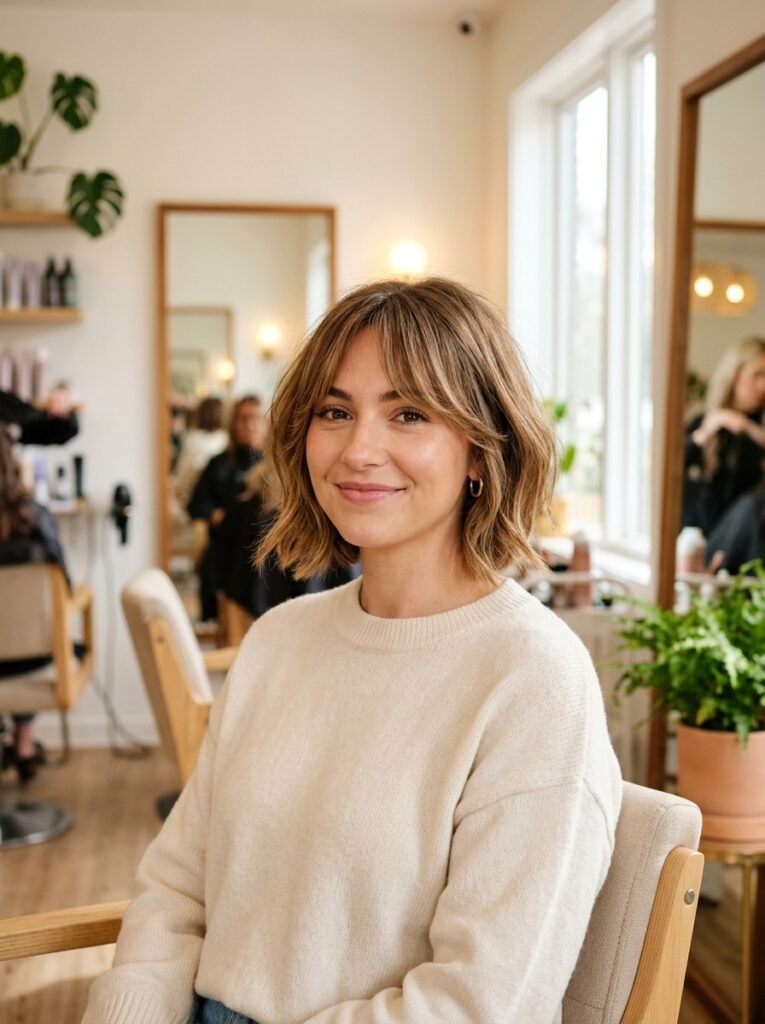
Curtain bangs sweeping softly to each side from a centre part frame the eyes and cheekbones well, and paired with the angled length of the bob the whole look reads romantic and flattering across most face shapes.
Curtain bangs rank among the lower-maintenance bang options — they don’t need to sit perfectly straight, blending naturally into the rest of the style. A spritz of water and air-drying, or a quick round-brush blow-dry under two minutes, both keep them looking soft.
The pairing works on straight, wavy, and lightly curly hair. Wavy hair gives the bangs natural movement and warmth; straight hair gives them a clean, precise sweep — both read equally wearable day to day.
The Bob with Undercut
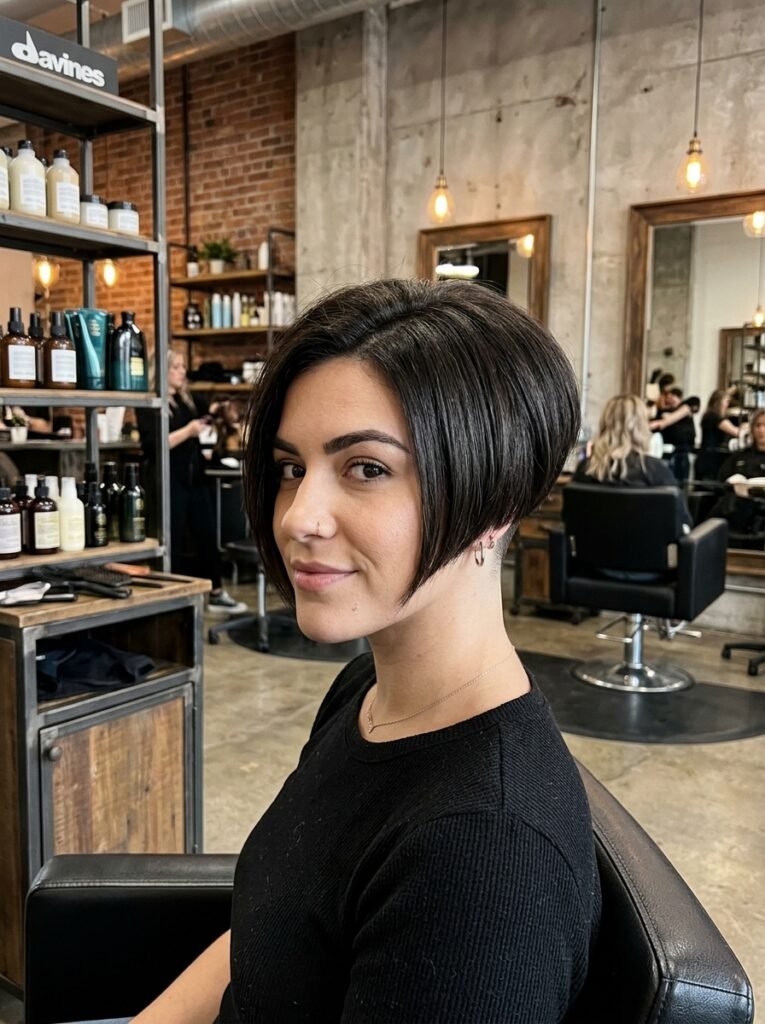
The boldest version of this cut shaves or cuts very close at the nape and lower back, with the rest of the bob sitting on top of that clean base — a real contrast between the shaved section and the fuller bob above.
The style carries practical benefits too. Removing hair at the nape keeps the neck cooler, which thick-haired women in particular tend to appreciate, and the reduced density makes daily styling faster. The undercut also sharpens how defined the stacked shape above it reads.
The undercut section itself can carry a subtle geometric design or pattern, peeking out as the top section moves — a personal detail that makes the cut specific to whoever’s wearing it.
The Long Inverted Bob
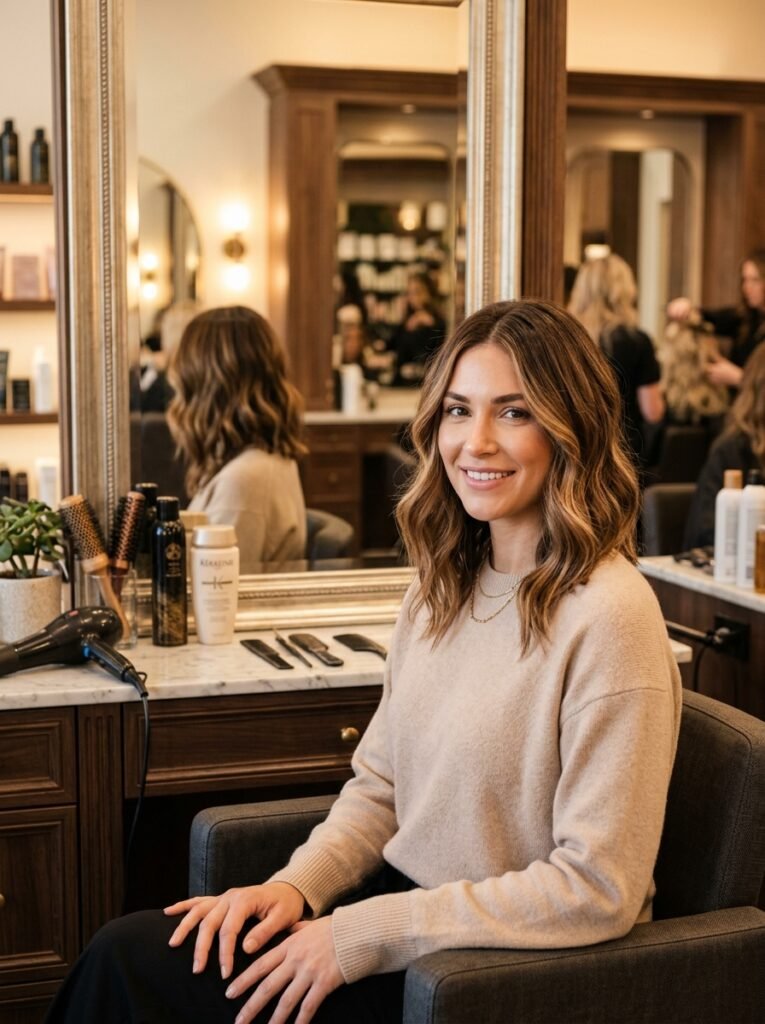
Not every inverted bob runs short. The long version sits at the collarbone or slightly below, still shorter at the back than the front but with more generous overall length — a softer entry point into the style for anyone not ready to go very short. A closer look at length options in this range sits in this guide to lob hairstyles.
The extra length adds flexibility: a small half-up style, front sections tucked behind the ears, or loose waves for something more romantic all stay possible, with the angled shape visible regardless of styling choice.
Colour reads particularly well at this length. A warm balayage transitioning from darker roots to lighter ends shows off the gradient naturally along the angle of the cut, with warm caramel, honey blonde, and rich auburn all suiting the style well.
The Inverted Bob for Fine Hair
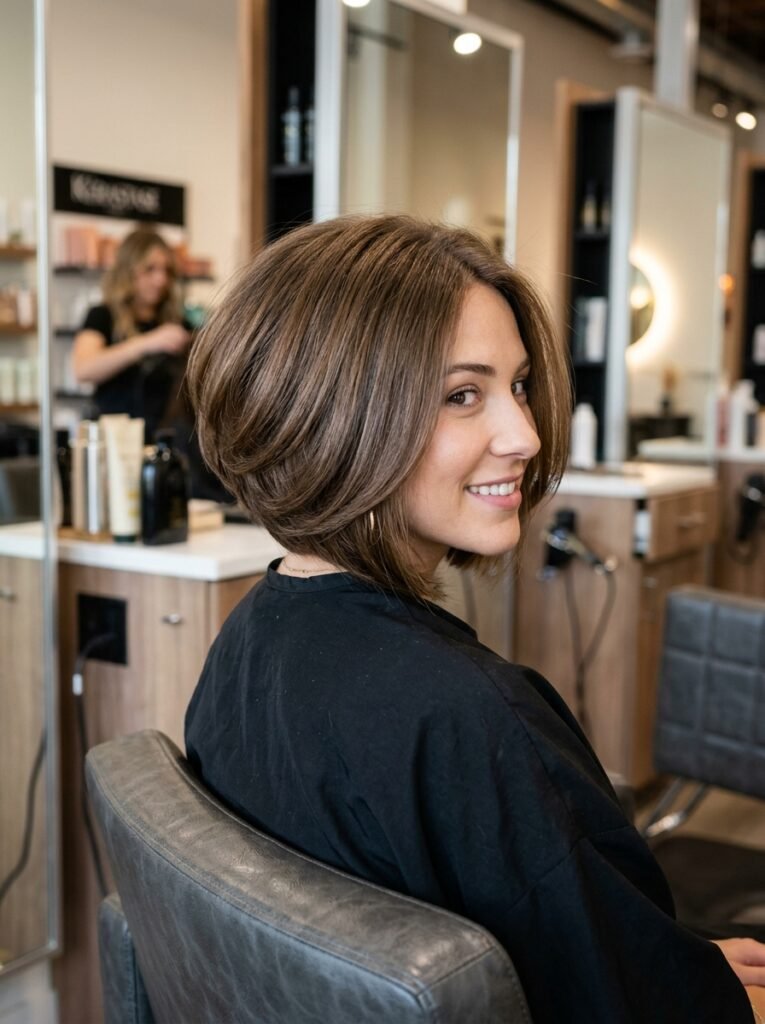
Fine hair does especially well in this cut, since the stacked layers at the back build the appearance of thickness where fine hair often looks flat, while the angled front adds movement and weight at the perimeter — noticeably fuller than the same hair in a longer, one-length style. A broader look at cutting for hair density sits in this guide to layered cuts for thick and thin hair.
Styling technique matters here: volumising mousse at the roots before blow-drying, drying upside down first to build lift at the crown, then a round brush to smooth and direct the ends. That combination builds volume that lasts through the day.
Heavy products work against fine hair in this cut, weighing it down and flattening the stacked shape. Lightweight sprays and mousses, finished with a light-hold spray, keep the style full without the risk of it going limp.
The Inverted Bob for Thick Hair
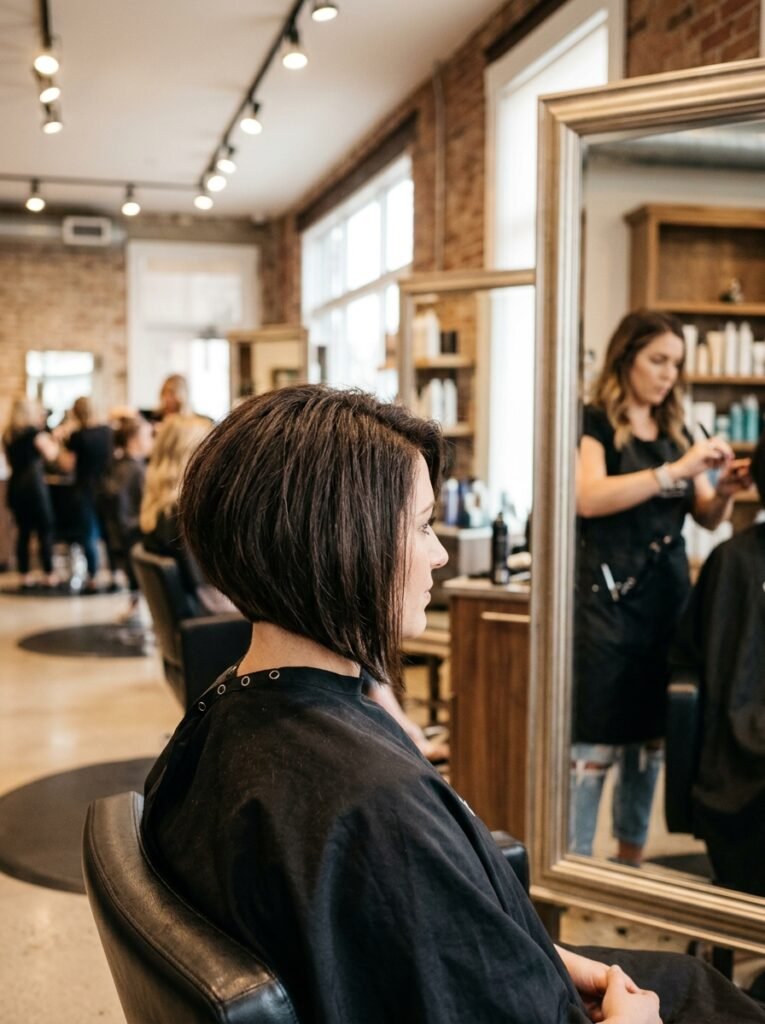
Thick hair suits this cut well too, since removing bulk from the interior reduces the weight that makes thick hair feel heavy, while the stacked back channels the remaining density into a precise shape. Thick hair in this cut tends to read controlled rather than overwhelming.
Internal thinning is the key technique — point cutting, slide cutting, or razor cutting removes weight from inside the hair while the outer shape stays clean and full, leaving a bob that looks substantial from the outside but feels considerably lighter to wear.
Thick hair also holds this shape especially well, since the natural density supports the stacked structure through the day. Minimal product is usually needed — a small amount of smoothing cream and a quick blow-dry generally covers it.
The Graduated Color Inverted Bob
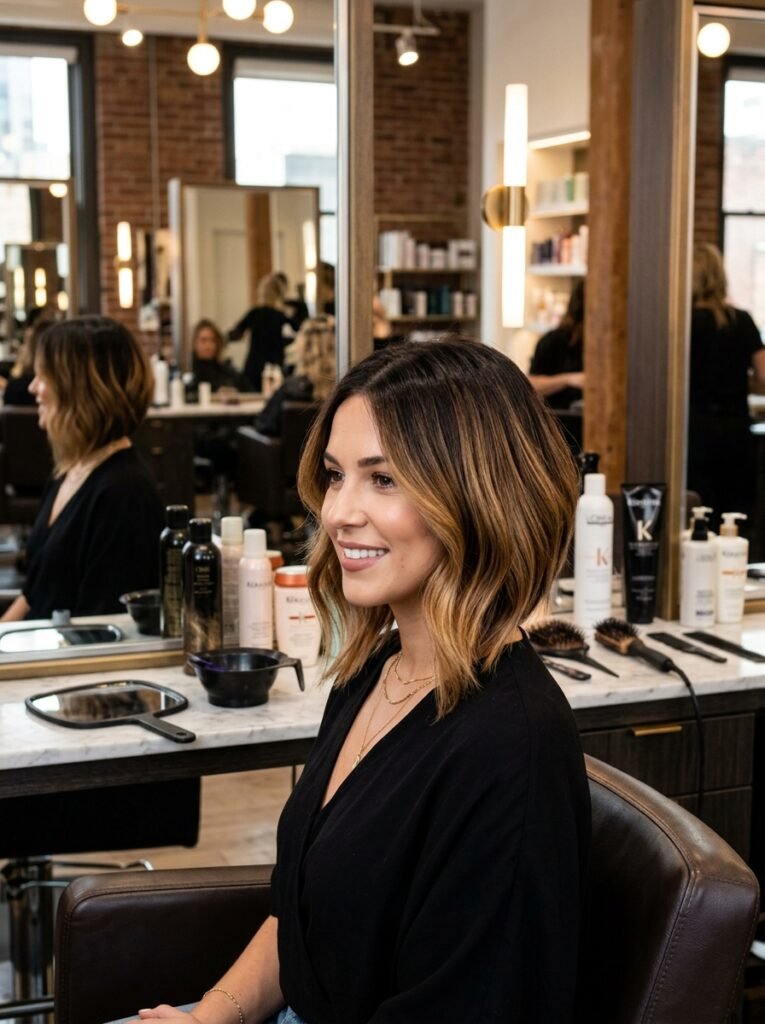
Colour and this cut work well together, since the angled shape creates natural zones for a gradient to sit in. A graduated colour treatment — darker at the nape, lighter toward the front — follows the shape of the cut directly, and the two elements reinforce each other.
Balayage suits this cut particularly well, with lighter tones hand-painted through the top and front sections while the darker root and nape stay rich. As the eye travels from back to front, the colour gradient follows naturally.
Popular combinations include espresso roots melting into caramel and honey, rich brunette transitioning to warm auburn and copper, or a bolder deep navy at the nape fading to bright teal at the front. Whatever the combination, the shape of the cut shows it off well.
The Inverted Bob with Side Part
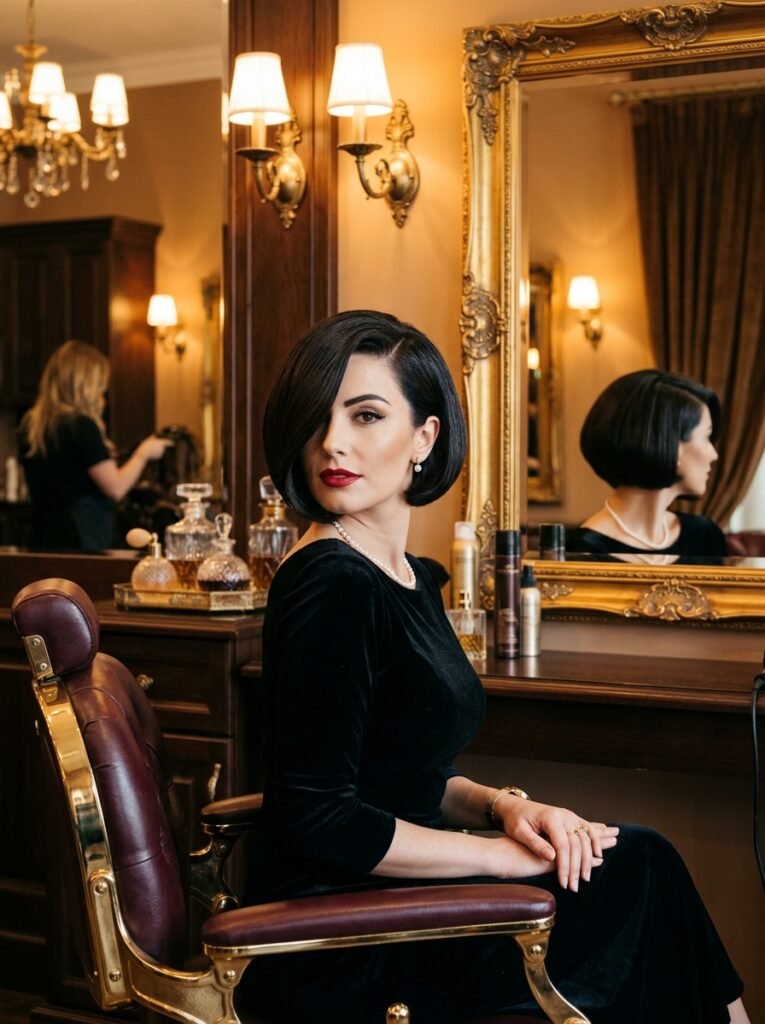
A deep side part brings old Hollywood glamour to the cut, with hair sweeping dramatically across the forehead, the longer front piece falling past the cheek on the fuller side, and the shorter side sitting close to the head — an asymmetry that flatters broadly.
Square and round face shapes suit this version particularly well, since the diagonal sweep breaks up strong angles and adds an illusion of length, directing the eye across the face rather than straight down.
Styling starts with a strong-hold mousse or volumising spray at the roots, a round-brush blow-dry to build the sweep, a flat iron on the swept section for extra sleekness, and a light-hold spray to finish.
The Natural Texture Inverted Bob
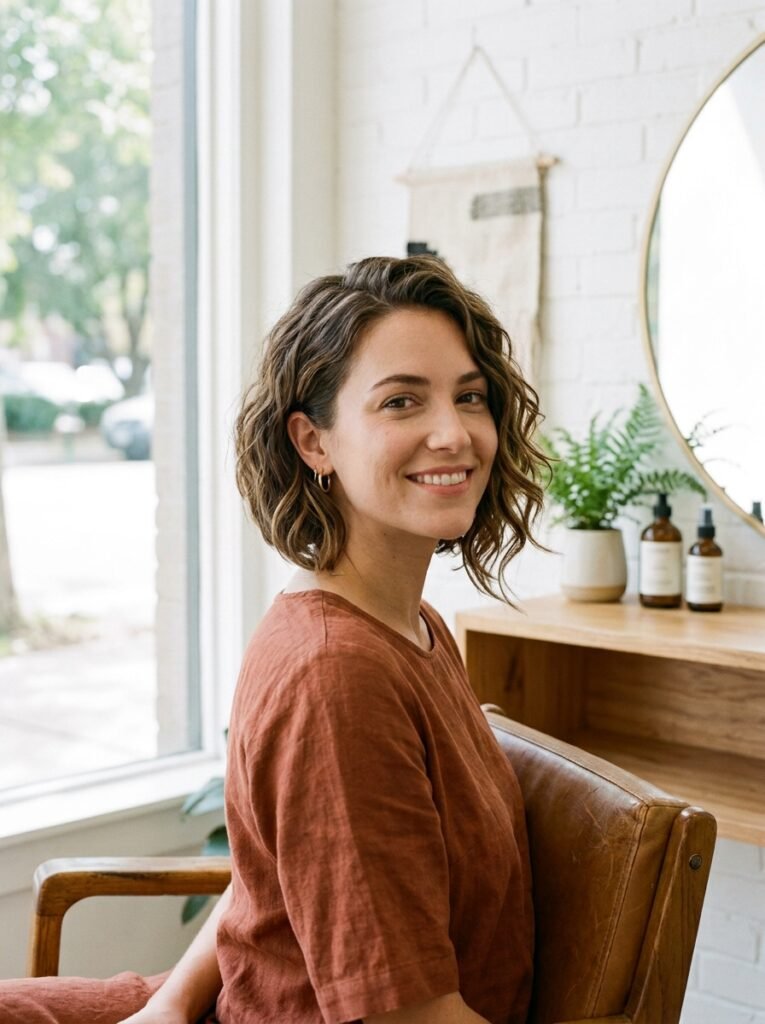
This version celebrates hair exactly as it grows — no heat styling, no fighting the natural pattern, just a cut that works with the texture already there. It suits wavy, curly, and coily hair well, with natural volume and movement filling out the shape.
The cut itself carries most of the weight in this version. A stylist who cuts textured hair dry can see exactly how it behaves in its natural state and shape the bob accordingly, which means the hair dries into shape largely on its own afterward.
Styling stays simple and gentle: leave-in conditioner on damp hair, curl cream or texturising spray depending on the texture, scrunched or smoothed to match the pattern, then air-dried or diffused on low heat.
Final Thoughts
The inverted bob remains one of the more versatile cuts available right now. Short and stacked, long and relaxed, bold and undercut, or soft and textured — a version of this cut exists for most hair types, and each interpretation carries its own distinct character.
Finding a stylist skilled with precision cuts, bringing reference photos, and being clear about hair type and daily routine all help land on the right version. When those pieces line up, the result tends to be a cut worth loving daily rather than just on the day it’s cut.