Pixie Cut Hairstyles That Are Bold, Cute, and Easy to Style
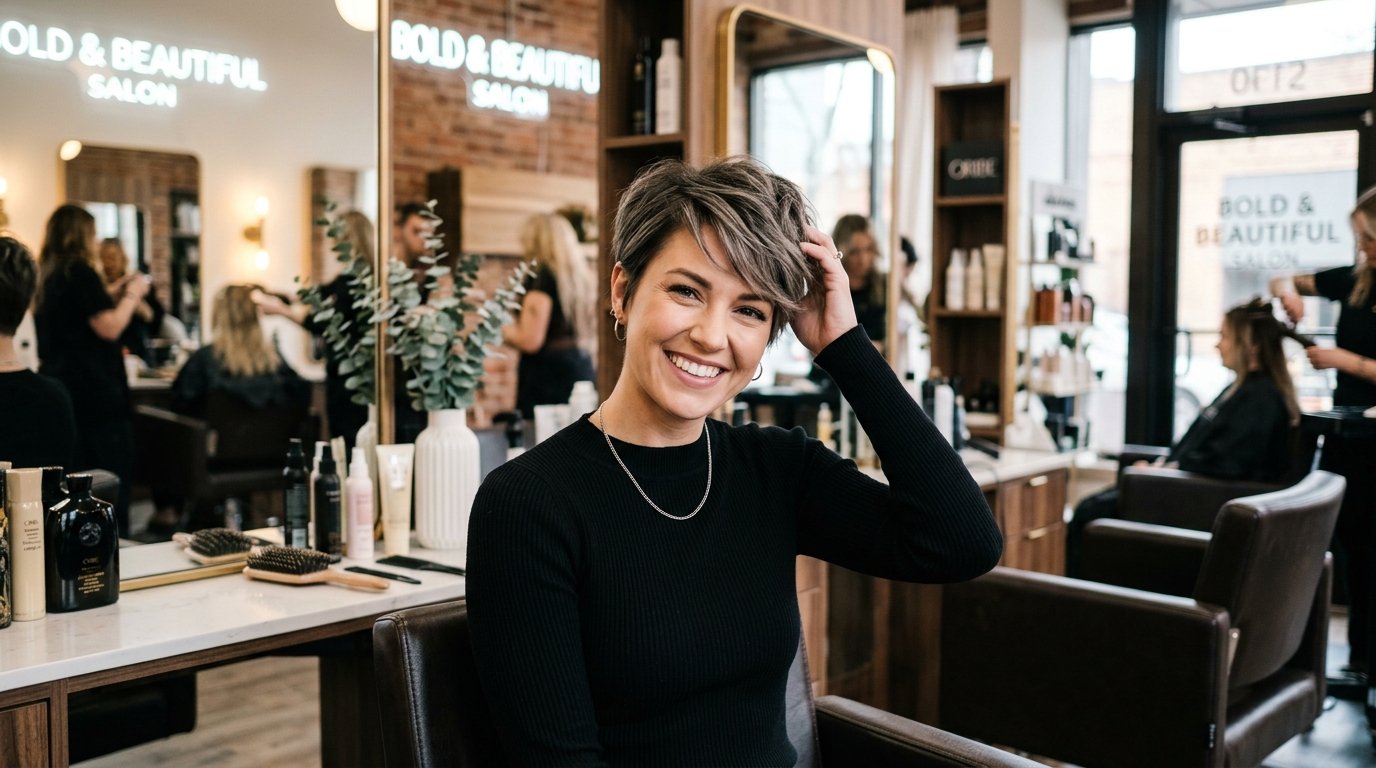
Few haircut decisions carry the same mix of excitement and nerve as going pixie, and most women who make the leap say the same thing afterward: they wish they’d done it sooner. There’s a particular kind of transformation that happens in the salon chair, watching a familiar look shift into something bolder and more confident — one of the more striking haircut experiences available, and one open to anyone willing to try it.
What makes pixie cuts so interesting right now is the range within the category itself. The pixie isn’t one look but a whole family of short styles, from close-cropped and architectural to longer, softer, and more textured, each with its own character. Twelve of the more notable pixie variations follow below.
The Classic Tapered Pixie
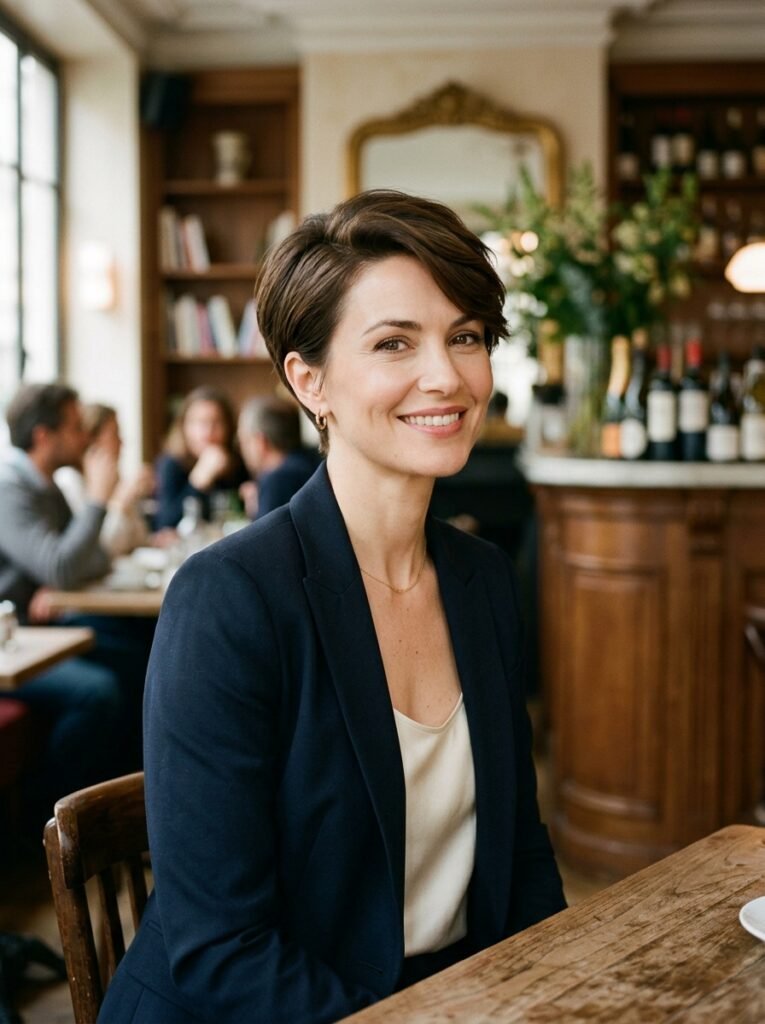
The classic tapered pixie is where most short-hair journeys begin, and it’s stayed a reliable choice for good reason. Close-cut at the sides and back with gradually more length through the top and front, it builds a clean, structured silhouette that frames the face and shows off bone structure directly — bold and elegant at once, with a timeless quality that’s held up across decades.
The tapered shape suits a wide range of face shapes, since the gradual transition from short sides to a longer top adds height at the crown for rounder faces, while close-cut sides show off oval and heart-shaped faces without adjustment. Square faces gain a softening effect from a little extra length up top, and diamond faces benefit from the width that section adds to balance prominent cheekbones — one of the reasons this version has stayed a go-to for so long.
The Textured Pixie with Side Sweep
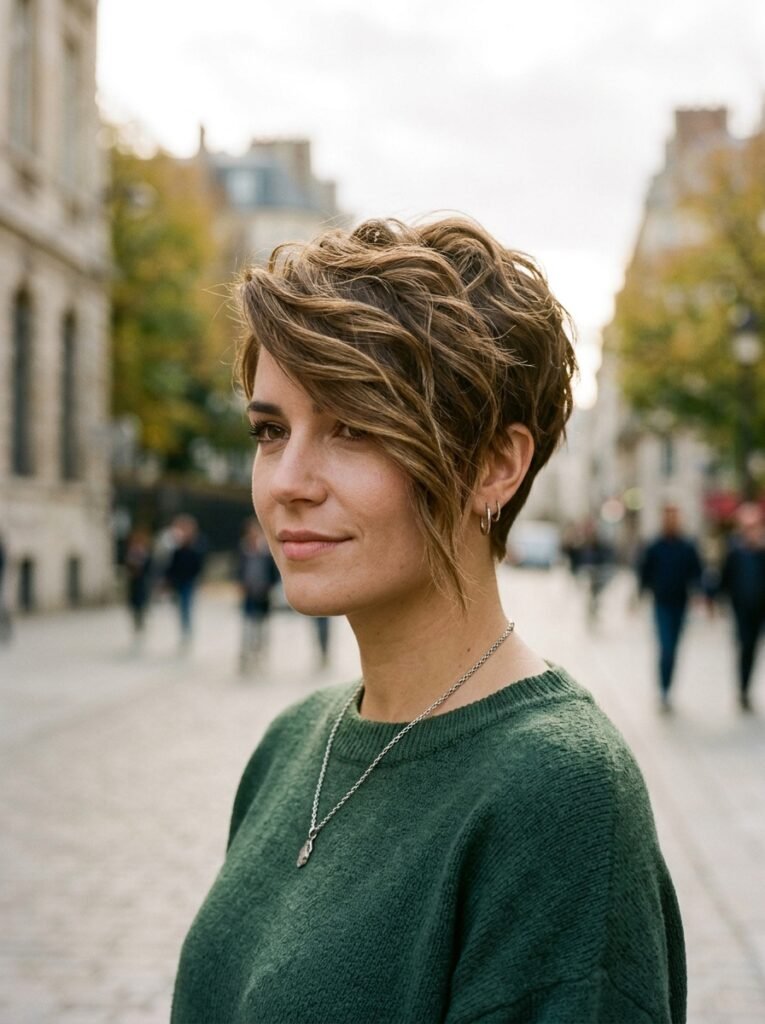
A deliberately textured pixie with a dramatic side sweep reads fashion-forward, with the asymmetry building a diagonal line across the forehead that flatters broadly. The longer top section pushes firmly to one side with enough texture and movement to look effortless yet intentional, while the close-cut sides provide contrast that makes the sweep read clearly.
Texture is what keeps this look current — a smooth, flat sweep can read dated, while deliberate movement gives the same shape real energy. A texturising spray or paste on damp hair before blow-drying, worked through with fingertips afterward, builds the slightly undone finish. The sweep itself comes from a round brush and hairdryer directing the top firmly across the forehead and behind one ear.
The Shaggy Textured Pixie
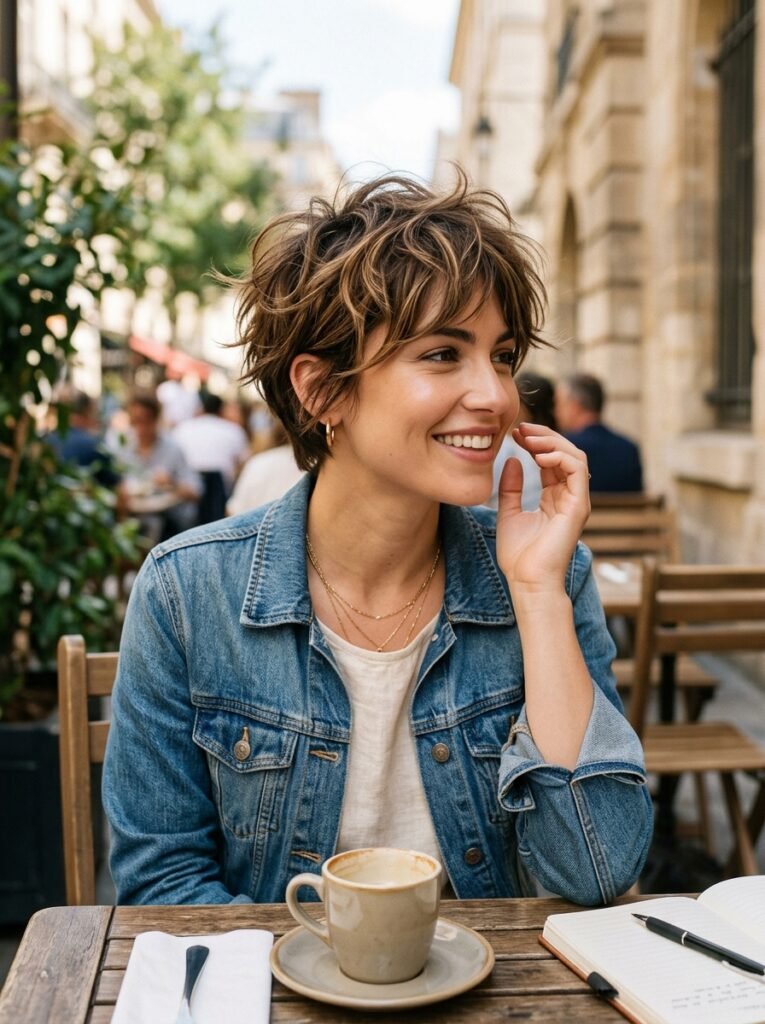
The shaggy textured pixie takes the classic shape and adds deliberate imperfection, building a warmer, more approachable personality than a sleek, structured pixie carries. Layers throughout the close-cut length add movement, and the tousled finish reads like natural texture rather than careful styling.
This version suits anyone transitioning from longer hair particularly well, since its relaxed quality makes the change feel less dramatic than a very sleek, precise pixie would. The familiarity of that softness helps the adjustment go smoothly, and the daily ease tends to build genuine appreciation for the style fast.
The Pixie with Long Top
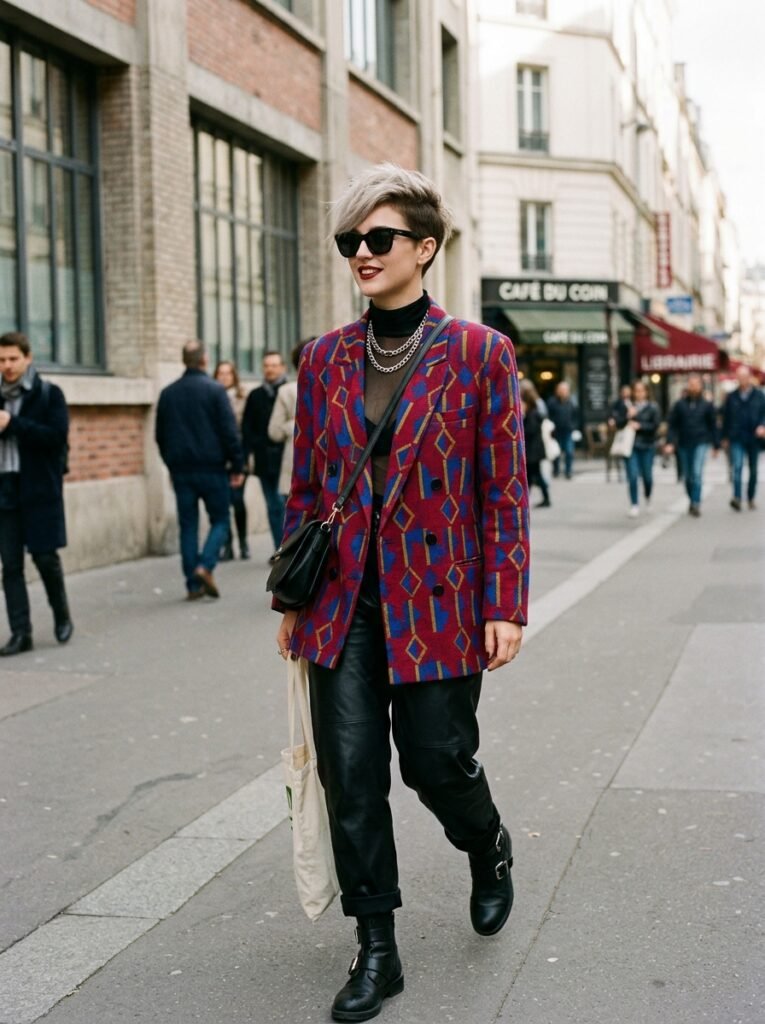
The pixie with long top suits anyone drawn to short hair but hesitant about going close everywhere. Sides and back stay short and clean while the top runs significantly longer, building a bold contrast between the two zones with a confident, fashion-forward energy distinct from most other short styles.
That long top section styles in a wide range of directions from the same cut. Swept to one side, it reads glamorous and retro. Pushed straight up, it leans bold and punk-inspired. Left to fall forward with a little natural wave, it softens considerably. Slicked back, it turns sleek and editorial. That range keeps the style from ever feeling repetitive.
The Feminine Soft Pixie
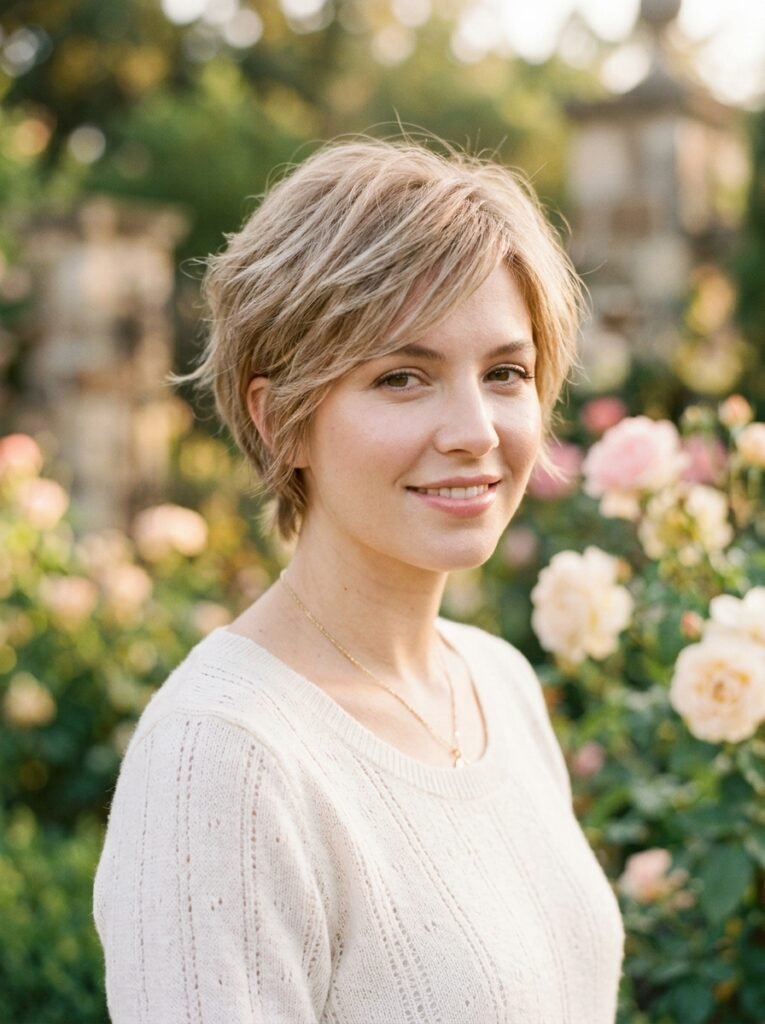
Not every pixie needs to make a bold statement. The feminine soft pixie proves short hair can read romantic and warm just as easily, keeping a bit more overall length than a classic close-cut version, with softly feathered ends and gentle wispy pieces around the face. The emphasis sits on softness and movement rather than structure.
This version suits anyone drawn to short hair but worried it might read too severe for their aesthetic or face shape. The feathered, gentle quality here answers that concern directly — short hair carries plenty of room for femininity, and this variation makes that case clearly.
The Bold Undercut Pixie
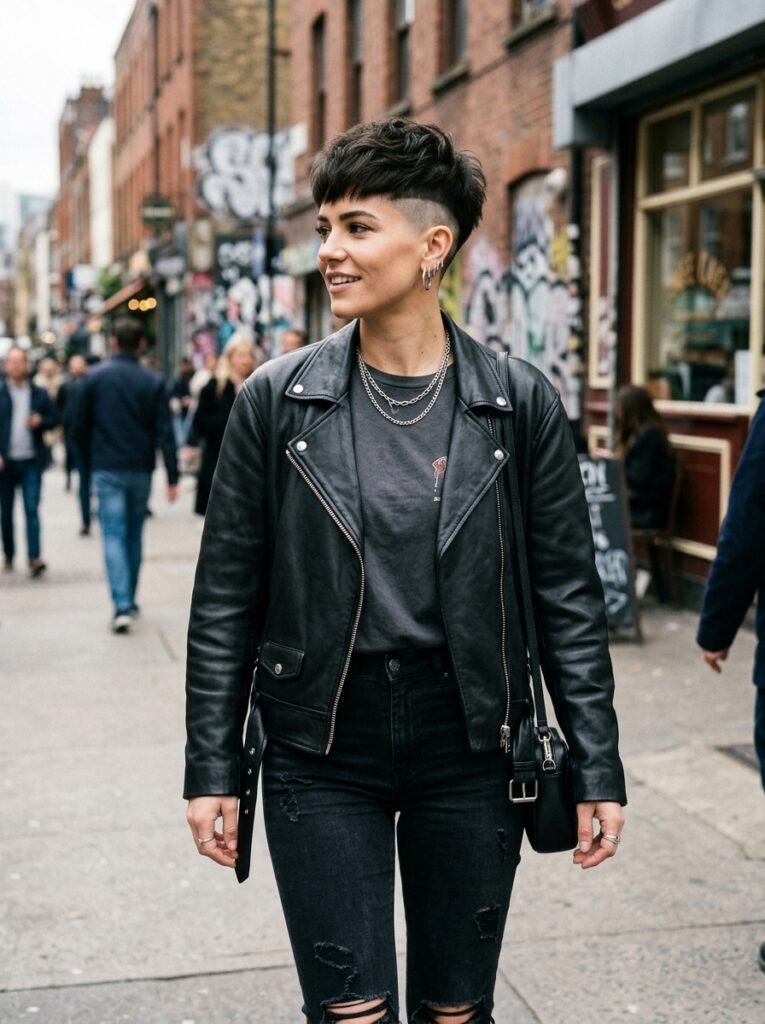
For anyone after real visual drama, the bold undercut pixie delivers it directly. Sides and back shave or cut very close to the skin, contrasting sharply with a longer, fuller top styled in whichever direction suits the wearer. The undercut builds an almost architectural quality that stands out clearly among pixie variations.
The undercut carries a real practical benefit alongside the drama, since removing hair from the sides and back cuts down significantly on overall weight and volume, keeping the head cooler and the shaved sections nearly effortless to maintain. Thick-haired women in particular often find an undercut solves the management challenges that close-cut styles otherwise create for dense hair.
The Curly Pixie
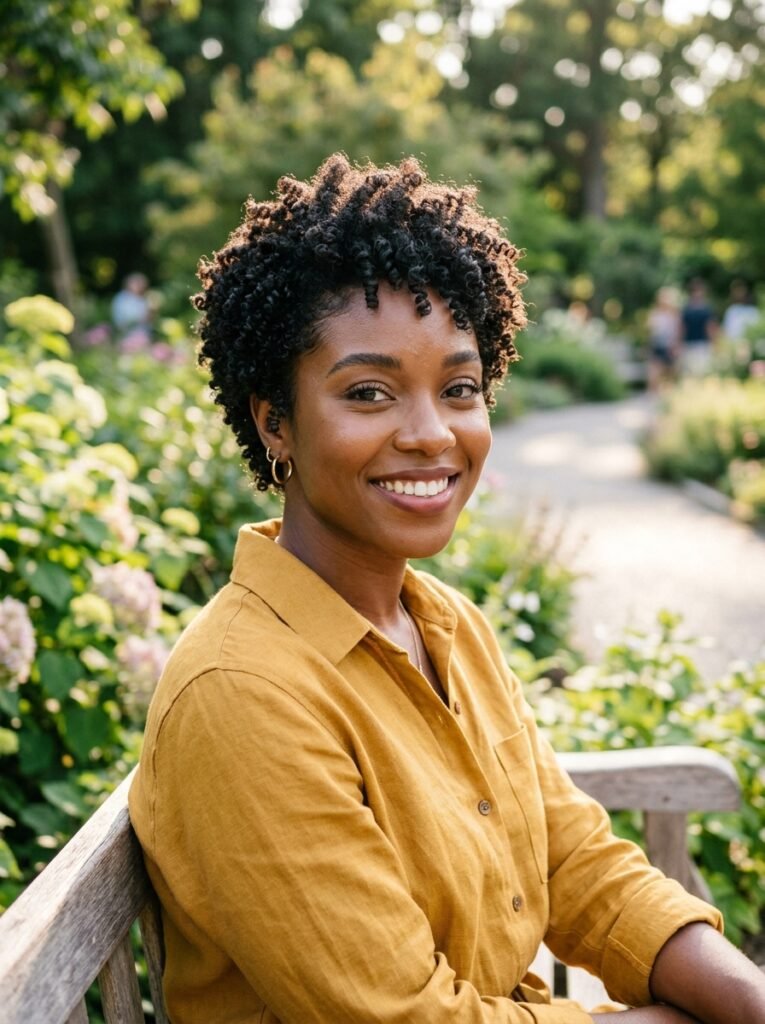
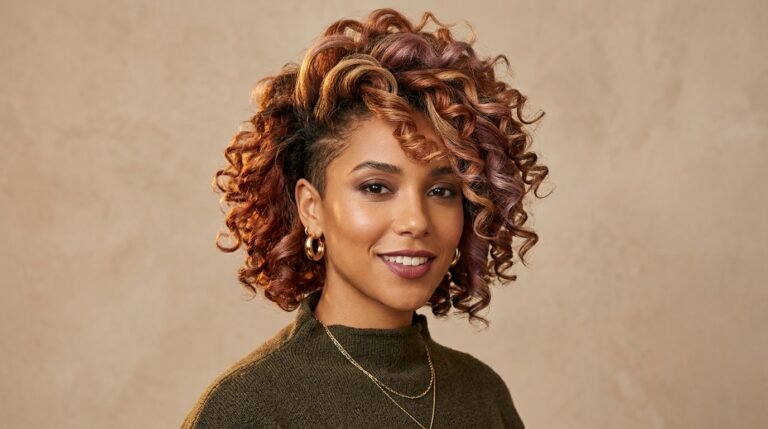
Curly hair at pixie length carries real presence, since natural volume and spring give even close-cropped curls fullness that straight-haired pixies can’t quite replicate. The concentrated density near the scalp builds a texture that reads well from every angle — more on styling curls generally sits in this guide to easy curly hairstyles for beginners.
Finding a stylist who understands curly hair specifically, rather than simply cutting it short, makes a real difference here. Shaping a curly pixie needs to account for shrinkage, how volume distributes across the head, and how different curl patterns behave at different lengths — considerations a curl specialist factors in automatically.
The Pixie with Bangs
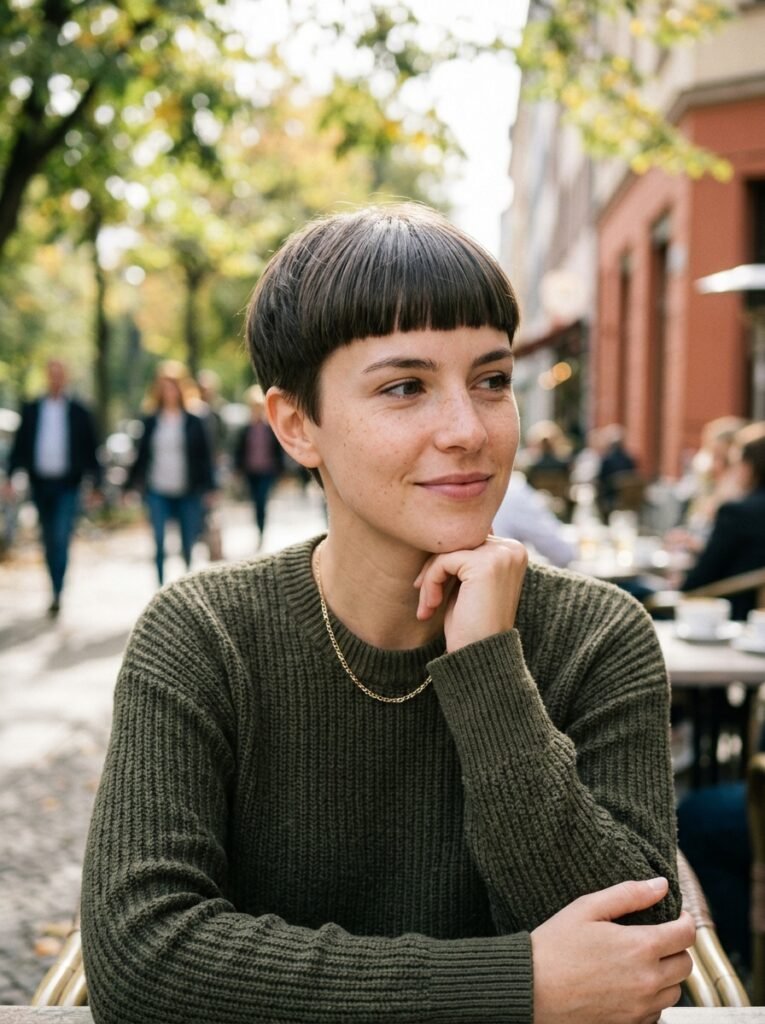
Adding bangs to a pixie changes the entire personality of the cut, and the specific bang choice determines the result — a blunt micro fringe reads vintage, wispy curtain-style bangs read romantic, and a heavy straight fringe reads bold and graphic.
Full, blunt bangs communicate confidence directly. Wispy, lighter bangs soften the whole look. Side-swept bangs build gentle asymmetry that flatters broadly while adding subtle drama. Each variation reads as a distinct style, all built from the same underlying cut.
The Silver or Gray Pixie
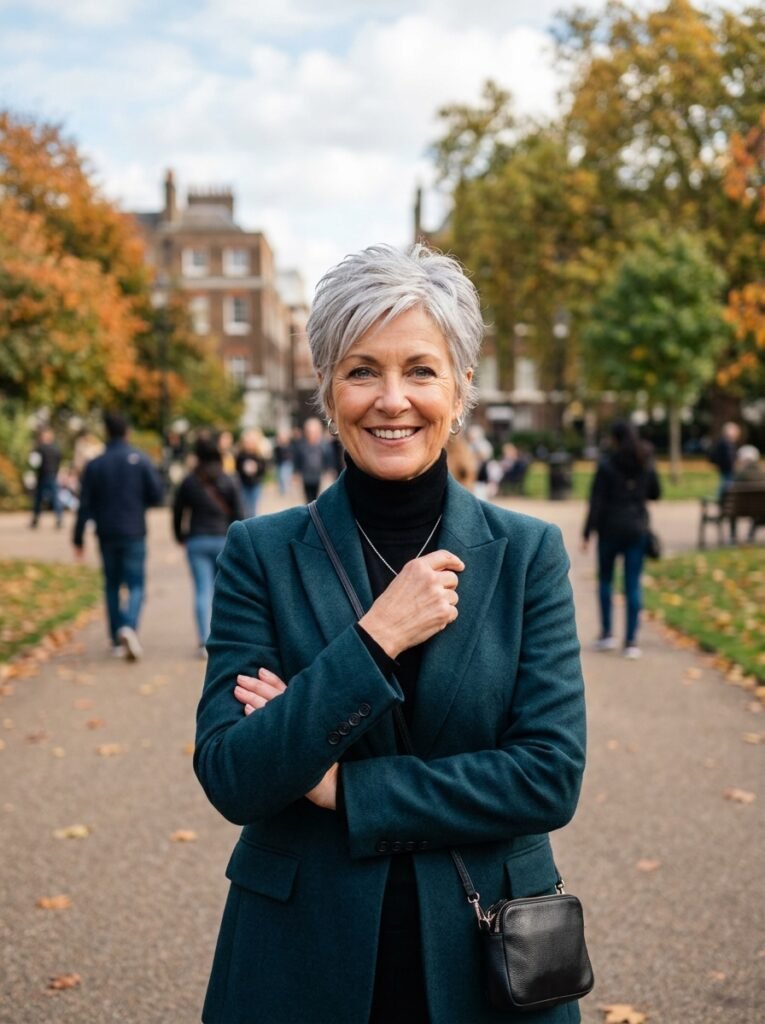
Silver or gray hair in a pixie cut carries a distinct, sophisticated quality, and the pairing has been gaining real traction. Cool, luminous tones at close length build a look with a jewel-like quality, and the contrast against the bold pixie silhouette stands out as one of the more striking combinations in current hairstyling.
Gray hair’s appearance comes down to actual biology: as the Library of Congress explains, hair colour depends on melanin distributed through the hair shaft, and as melanocyte activity slows, less pigment reaches the strand. A precise pixie cut gives that pigment-free hair a clear, chosen framework rather than letting it read as simply left alone, and the close cut keeps the tone as visible as possible rather than diluted by length.
The Pixie with Color Accents
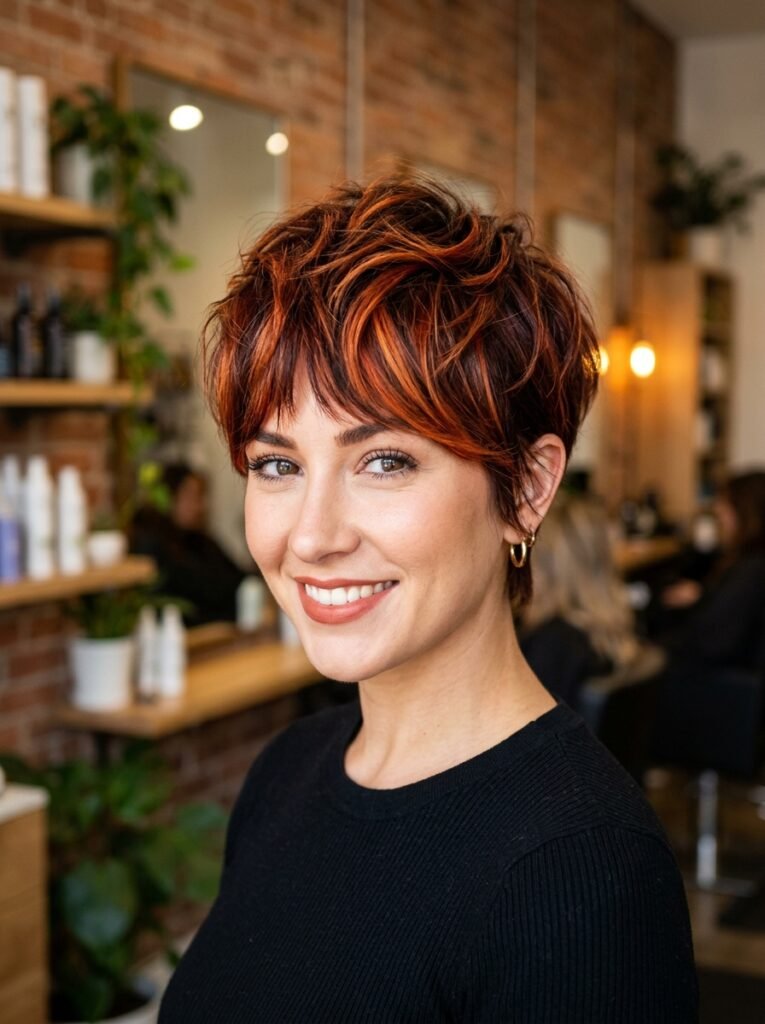
Colour accents make a real visual impact on a pixie precisely because the close-cut structure means even small amounts of vivid colour show clearly — something that would need far more colour to register on longer hair. A few streaks through the top, a money piece of bright highlights at the front, or a different colour on the undercut peeking through from beneath all build a dynamic, individual look.
Options run from subtle — warm caramel or honey highlights adding dimension — to bold, like electric blue, rose gold, or bright coral for a genuine fashion statement. The close cut also makes colour experiments relatively quick and affordable, and grows out fast enough that a bold choice never overstays its welcome.
The Grow-Out Pixie

The grow-out pixie often gets treated as simply an awkward transitional stage, but it’s a genuinely interesting styling opportunity in its own right. Growing out a pixie passes through several distinct phases, from early movement at the top through to something closer to a bixie or short, voluminous bob.
Working with the grow-out rather than fighting it takes a stylist who understands how to shape and manage growing short hair so each phase looks intentional. Regular shaping every four to six weeks keeps the sides and back clean while letting the top develop the length it needs. Trying different products at each new length is part of the process — different lengths respond differently, and figuring out what works at each stage tends to be genuinely rewarding.
The Natural Textured Pixie for Natural Hair
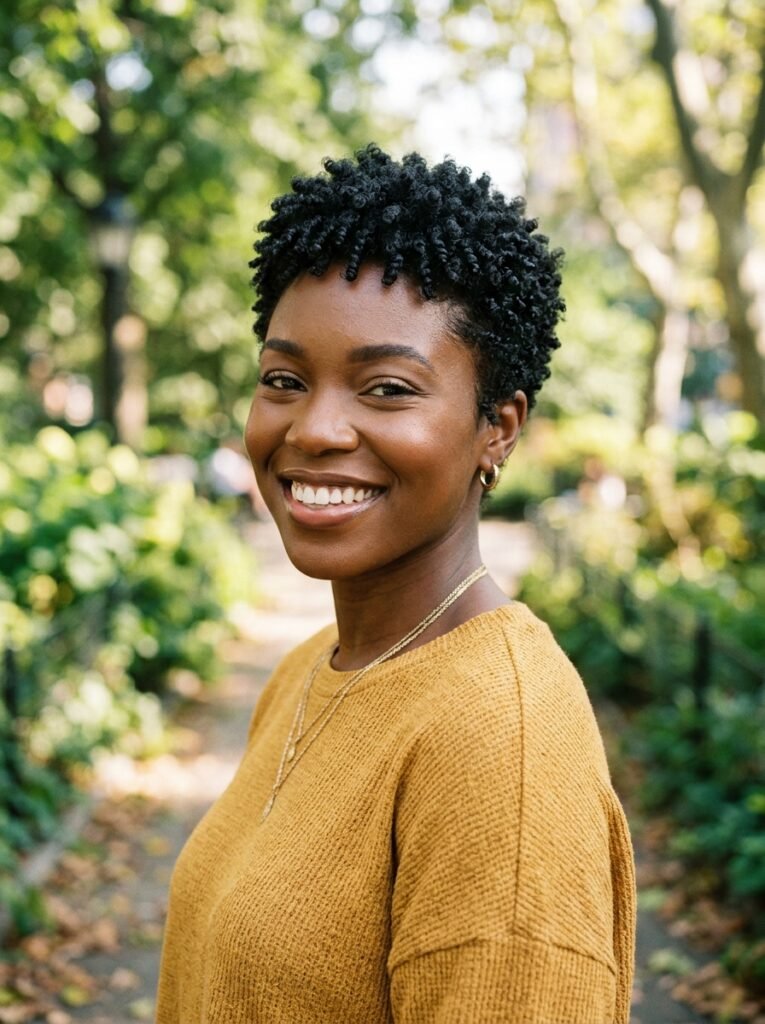
Natural Afro-textured hair in a pixie cut is one of the more powerful hairstyle choices available, worn with real cultural pride and artistry. Tight coils and kinks at close length carry a density and richness distinct from any other hair type at any other length, and the pixie format concentrates that texture at its fullest.
This style needs little else — no additional product, colour, or accessory is required to make it look complete. The natural coil pattern carries its own volume and texture at close length, and since every curl pattern differs, each version of this cut ends up genuinely specific to the person wearing it.
Final Thoughts
Pixie cuts rank among the more transformative, liberating haircut categories available, and the twelve variations above cover only part of the range this style can take. The classic elegance of a tapered pixie, the drama of an undercut, the celebration of natural curls, the creative pull of colour accents — a version exists for most tastes. For anyone not quite ready for this much length change, the same face-shape logic applies further down the length spectrum in this guide to medium hairstyles for every face shape.
Trusting the process matters most when choosing a pixie — finding a stylist who genuinely enjoys short hair and takes the time to understand face shape, hair texture, and personal aesthetic before the first cut. When those pieces line up, a well-executed pixie tends to become one of the more rewarding hair decisions someone can make.