
Shaggy Hairstyles That Will Refresh Your Look
Most hairstyle guides start from the finished look. This one starts from the opposite end. It starts with whatever the hair is doing right now, today. A shag transformation looks different depending on where it begins. Knowing that starting point makes the whole decision much clearer from the outset.
Ten common starting points follow below, laid out one at a time. Each one is paired with the shag variation that tends to work best from there. None of these need a dramatic leap. Most are a smaller step than they look from the outside. A few take real commitment. Most do not.
Starting From One-Length Hair

Hair cut all one length tends to sit flat and heavy. That happens regardless of how much of it there is. The classic shag fixes that specific problem directly. Layers throughout the length break up that solid block of weight.
Fine hair benefits most from this particular jump. The layers create movement fine hair rarely has on its own. One-length hair simply cannot manage that same body, no matter how much product goes into it first.
Finding a stylist comfortable with heavy layering matters here. This is a bigger structural change than it first appears. Bringing reference photos to the consultation helps translate the idea clearly. Once the cut is done, upkeep drops considerably compared to the one-length style it replaces. Most people notice the difference within the first week.
Starting From a Blunt Fringe

A blunt fringe needs constant upkeep to look sharp. It can start to feel like a chore fairly quickly. Growing it into curtain bangs is a gradual way out. It works especially well paired with the rest of the hair moving into shag layers at the same time.
The transition period is shorter than most people expect. Curtain bangs part naturally at the centre. They sweep toward the temples rather than sitting straight across. A blunt fringe can reshape into that softer line well before it reaches full length.
Curtain bangs also demand far less daily maintenance once they get there. No need for perfectly straight styling. No need for frequent trims either. A quick round-brush sweep, or a little curl cream on lazier days, is usually enough.
Starting From Undefined Curls

Curls that look shapeless or heavy at the ends are usually carrying too much weight. The curl pattern itself is often fine underneath. A curly shag removes that excess weight. Each curl gets to spring back up into its natural shape.
The improvement often shows up most clearly at the ends. Weight there tends to stretch curls out. It dulls their definition over time. Once that section lightens, the curl pattern reads more consistently from root to tip.
A stylist who understands curl shrinkage is essential for this jump. Curls cut wet can end up shorter than intended. They dry and spring back afterward. A dry cut, or one that accounts for that shrinkage, gets a far more accurate result. Asking about this directly during the consultation is worth doing.
Starting From Long Hair, Ready to Go Shorter

Long hair considering a change does not need to jump straight to something dramatic. The shaggy lob is the natural middle step. It sits between the collarbone and the jaw. That is a real length change without an extreme one.
Versatility matters most here, especially for anyone unsure how shorter hair will feel day to day. Blown out smooth, the shaggy lob looks polished. Left to texture with a spray, it looks relaxed. Both read as intentional from the same base cut. For more length-specific options beyond the shag itself, this guide to trending long hairstyles covers the wider range.
This length also handles a grow-out phase gracefully. There is no awkward middle stage to sit through. The shag layers keep adapting as the length changes, which removes most of the usual regrowth stress.
Starting From a Style That Feels Too Safe

A haircut that has stayed the same for years can start to feel more like a habit than a real choice, even if it is still flattering. The choppy shag is a genuine departure. Deliberately jagged, razored ends read as bold rather than simply different.
Despite how dramatic it looks, the daily reality stays manageable. The layering does most of the visual work on its own. A little texturising spray and some scrunching covers most mornings without much extra effort.
Bold colour pairs particularly well with this specific jump. Vivid highlights find plenty of structure in the strong layering. So does a full colour change. That gives anyone ready for a real change two decisions to make at once, or just one, depending on the mood.
Starting From Hair That Feels Heavy
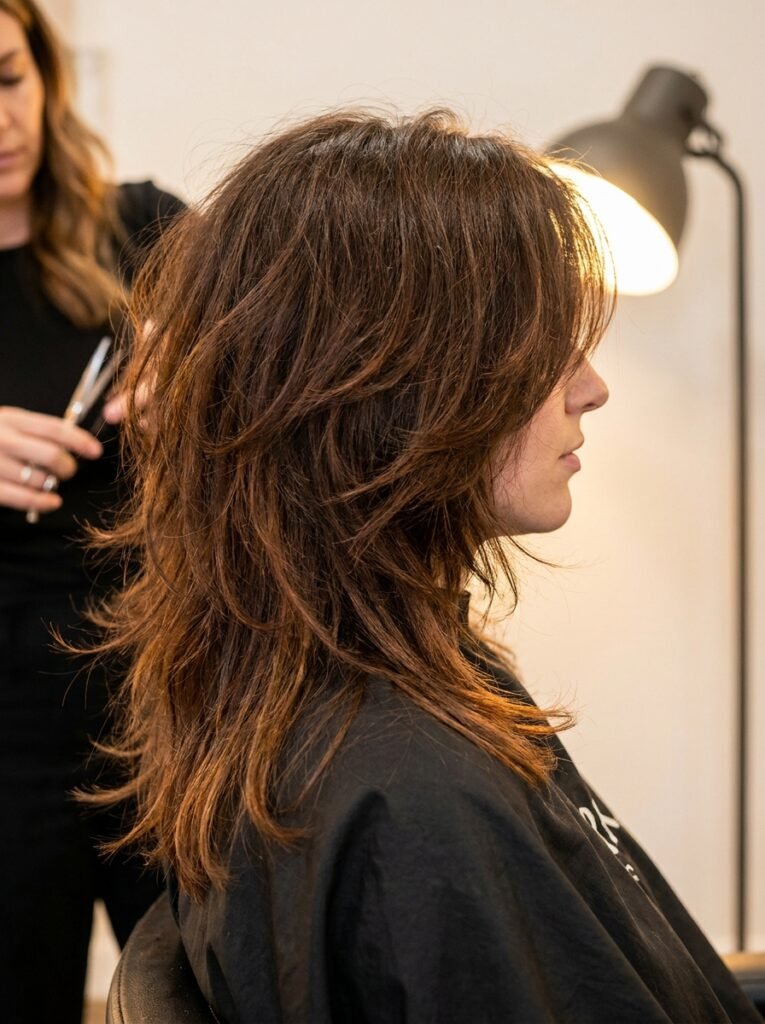
Dense, thick hair often carries genuine physical weight. That shows up as real fatigue by the end of the day, not just a styling frustration. The layered shag addresses that directly. It removes bulk from the interior without shortening the overall length.
Point cutting, slide cutting, and razor cutting are the specific techniques behind this transformation. Each removes weight gradually from inside the hair. That keeps the outer shape looking full. The actual mass drops considerably underneath.
The difference in daily styling time tends to surprise people most. Hair that once took real effort to dry starts drying faster. There is simply less of it weighing everything down at once. Many describe the change as feeling like a genuine relief rather than just a haircut.
Starting From a Plain Length With No Framing

Hair that is otherwise healthy and reasonable in shape sometimes just lacks any framing around the face. Adding face-framing layers is a smaller update than a full restyle. It still changes how the whole cut reads at a glance.
These are long, sweeping pieces that start at the front. They blend gradually into the rest of the length. They work almost like a soft spotlight. Attention shifts toward the eyes and cheekbones rather than the hair as a whole.
Strong or angular features soften noticeably with this addition. Softer, rounder features gain a bit more definition instead, especially around the jaw and cheekbones. Either way, the change asks for almost no extra daily styling once the layers are cut.
Starting From Straight Hair With Little Movement

Straight hair that hangs without much visible motion often looks perfectly neat but a little static. The retro seventies shag introduces real movement. Long, feathered layers and a deep side part do the work. None of it asks the hair to become curly or wavy first.
Two distinct routes work from this starting point. A structured blowout with feathering builds a dramatic, vintage-leaning finish. Loose waves and an air-dried texture build something more relaxed and current. Both come from the exact same underlying cut.
Medium to long hair suits this jump particularly well. The feathered layers need enough length to show their full sweep. Shorter starting lengths can still work fine, though the dramatic effect softens somewhat at that length.
Starting From Long Hair, Ready to Go Very Short
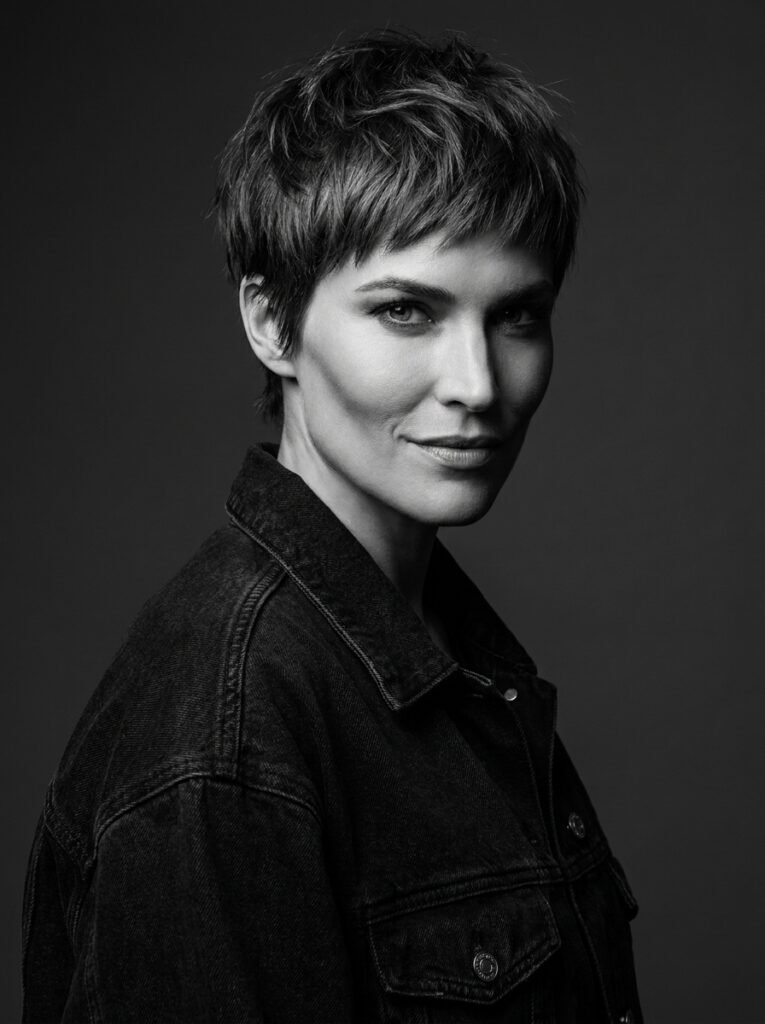
For anyone genuinely ready for a dramatic change, the short shaggy pixie is the boldest jump on this list. Strategic layering and choppy cutting bring texture and lift to a close-cropped shape. It is nothing like the flat, sleek pixie of decades past.
The daily payoff after a change this size is considerable. Most people move from shower to fully styled in under fifteen minutes. That is a real shift for anyone used to managing long hair every single morning.
This jump also tends to carry the most emotional weight of anything on this list, and that is worth acknowledging honestly. A trial run with clip-in styling helps some people feel ready. Simply sitting with the decision for a week or two works just as well for others.
Starting From Hair That Never Holds Texture

Hair that falls flat within an hour of styling, regardless of product used, often has more going on than simple hair type. Product residue left on the scalp over time can weigh hair down. Medical News Today describes this as scalp buildup, a common and treatable cause of dull, flat-looking hair.
A beachy shag works well here for two reasons at once. The cut itself builds texture into the layers directly. Starting with a proper clarifying wash beforehand clears any buildup that has been working against every previous styling attempt.
From there, a sea salt or texturising spray on damp hair is close to the entire routine. Scrunch it in, then air-dry or diffuse. This style rewards the lightest possible product touch, which suits hair that has been struggling under heavier products for a while.
Final Thoughts
Every one of these ten transformations starts from a genuine frustration, not a trend chased for its own sake. Flat hair. Heavy hair. A fringe that has become a chore. Curls that lost their shape. The shag answers each of those problems differently. That is part of why the style has stayed relevant for as long as it has.
None of these changes need to happen all at once, either. Growing bangs out is one small step. Adding face-framing pieces is another. Simply trying a texturising spray for a week counts too. All are small, reversible ways to test a direction before committing to a full cut. For anyone still weighing whether now is the right time, this guide to trying a new hairstyle without cutting hair covers more low-commitment ways to experiment first.
Frequently Asked Questions
Which shag suits fine hair coming from a flat, one-length cut? The classic shag addresses this most directly. Layers throughout the length build movement. They add the appearance of density that one-length fine hair cannot achieve alone.
How long does it take to grow a blunt fringe into curtain bangs? Most people reach a workable curtain-bang shape within a few months. That is well before the fringe reaches full length. A stylist can reshape the fringe gradually along the way.
Is a curly shag a big change from undefined curls? It is more of a refinement than a dramatic change. The cut removes weight that has been suppressing the natural curl pattern. The result often looks like existing hair finally working properly, not a new style entirely.
What if hair never holds any style at all? Persistent flatness is sometimes about styling technique. Scalp buildup from product residue is a common overlooked cause too. A clarifying wash before trying a new texture-based style, like a beachy shag, often makes a noticeable difference.
How much regret is normal after a dramatic length change? A little adjustment period is genuinely normal. That is especially true with a jump as significant as long hair to a short pixie. Most people report feeling fully comfortable within a few weeks, once the new routine becomes familiar.