
Shaggy Hairstyles Matched to Your Face Shape and Hair Type
A shag can suit almost any face shape or hair type. The trick is matching the right variation to the right features. The wrong match still looks fine. The right one looks like it was cut specifically for that face.
This guide works through the matches directly. Face shape first, then hair type and texture, then a couple of styling extras worth knowing about either way.
Round Faces and the Wolf Cut

A round face benefits from height. The wolf cut delivers exactly that. Heavy layers build serious volume at the crown. That volume adds length to the face rather than width.
The longer, looser lengths below the crown matter too. They keep the sides from adding bulk right where a round face already has plenty. The contrast between full crown and slim sides does the actual work here.
Styling for this face shape means prioritising root lift above almost everything else. A volumising mousse and an upside-down diffuse builds that lift fastest.
Square Faces and the Curtain Bang Shag

A square face has a strong, defined jawline. That is a genuine asset, but it can read as severe without some softness introduced elsewhere. Curtain bangs are the simplest way to add it.
The bangs part gently at the centre and sweep toward the temples. That soft diagonal line breaks up the straight edges of a square jaw without hiding it. The shag layers behind the bangs keep the whole look from feeling too structured.
This pairing works especially well on medium to long hair. The extra length gives the bangs room to blend rather than sitting apart.
Oval Faces and the Choppy Shag Bob

An oval face has balanced proportions already. That gives it more freedom than most other shapes. Bold, choppy cuts that would overwhelm a narrower face read as striking rather than harsh here.
The choppy shag bob takes advantage of that freedom. Deliberately jagged, uneven ends build strong texture at a shorter length than a full shag. The bob structure stays visible underneath, so the cut reads intentional rather than simply undone.
Fine or thin hair suits this cut particularly well. The choppy layering builds the appearance of density that a blunt, one-length cut cannot manage on its own.
Heart Faces and the Shaggy Lob

A heart-shaped face carries width at the forehead that tapers toward a narrower chin. The goal with any cut here is adding a little width back at the jaw to balance that taper.
The shaggy lob does this well because the length lands right at the point that needs the extra width. The layers and texture through that section build volume exactly where the face narrows.
This length also grows out gracefully, without the awkward in-between stage shorter cuts often go through. That makes it a reasonable low-commitment starting point for anyone new to shag layering.
Long Faces and the Feathered Shag
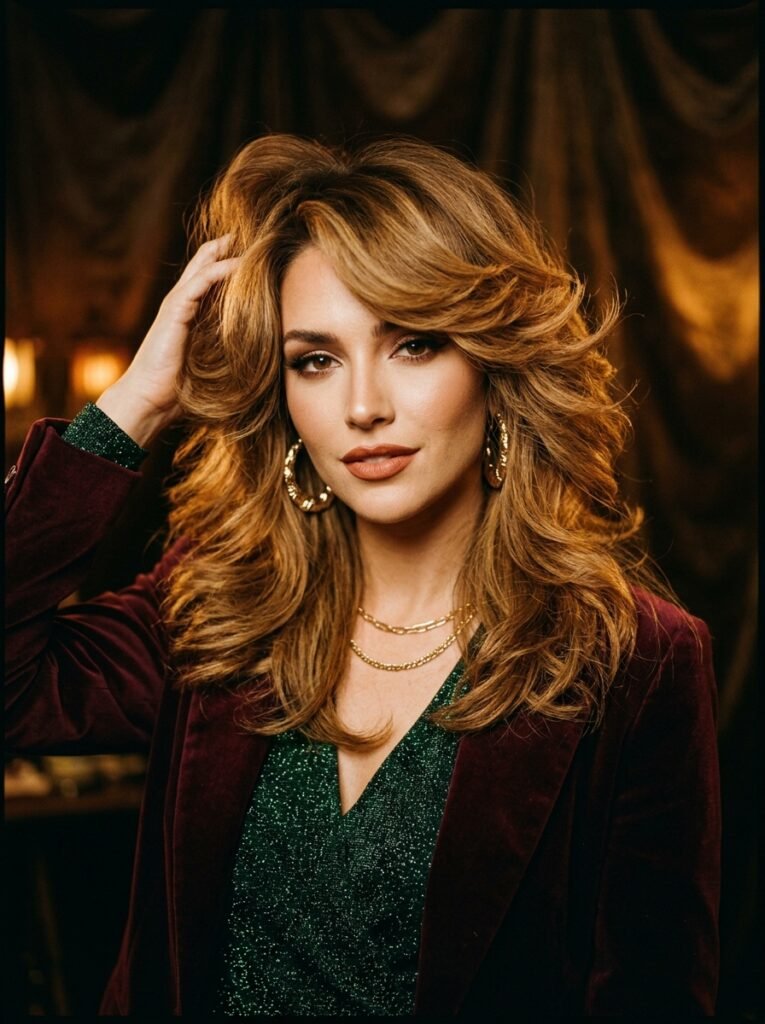
A long face benefits from horizontal volume more than height. The feathered, seventies-inspired shag delivers that directly. Sections sweep outward and away from the face rather than up off the crown.
The deep side part that usually comes with this style adds a diagonal line across the forehead. That line interrupts the vertical length of the face, which softens the overall proportions.
Medium to thick density suits this style best. The natural weight helps the feathered sections hold their outward sweep rather than collapsing back down.
Diamond Faces and Face-Framing Layers

A diamond face has narrow forehead and chin with wider cheekbones between them. Face-framing layers work directly on that imbalance. They add width at the forehead and chin while the cheekbones stay exactly as they are.
Longer pieces that reach the collarbone soften the narrower chin area. Shorter, wispier pieces around the temples do the same job at the forehead. The rest of the shag layering matters less here than the framing itself.
A stylist adjusts the exact placement of these layers more carefully for diamond faces than for most other shapes. Small shifts change the balance noticeably.
Curly Hair, Regardless of Face Shape

Curl pattern matters more than face shape for this version. The shag’s layering removes weight that would otherwise pull curls flat. Each curl gets to spring up and take its natural shape.
Curls shrink noticeably as they dry, so cutting technique matters as much as the shape itself. A stylist working after the curls have sprung back sees exactly where each one sits. Guessing from stretched, wet hair rarely gets the same accuracy.
Once cut, this version needs surprisingly little daily effort. A curl cream scrunched into damp hair, then left alone to dry, usually does most of the work on its own.
Fine Hair and Beachy Texture

Fine hair often struggles to hold shape or volume through a full day. A beachy, textured shag approaches that problem differently than most cuts. It builds apparent thickness through texture rather than chasing volume alone.
Sea salt spray applied to damp hair roughs up the surface of each strand slightly. That texture makes fine hair grip itself better. It is part of why this style holds its shape longer on fine hair than a smooth blowout does.
This style also improves with a little imperfection. Fine hair’s tendency to look slightly undone by midday actually works in its favour here, rather than against it.
Thick Hair and Strategic Layering

Thick hair carries the opposite problem to fine hair. There is rarely a shortage of volume, but the sheer density can feel heavy and hard to manage. A layered shag removes bulk from the interior without changing the outer silhouette much.
Razor cutting and slide cutting are the two techniques that do this cleanly. Both remove weight gradually rather than in one abrupt layer. That avoids the choppy, uneven look thinning shears sometimes leave behind. A closer look at cutting for this hair type specifically sits in this guide to hairstyles for thick hair.
The difference in how thick hair feels after this cut is considerable. Movement and lightness replace the heaviness, without losing the fullness that made the hair distinctive in the first place.
Going Shorter With the Shaggy Pixie
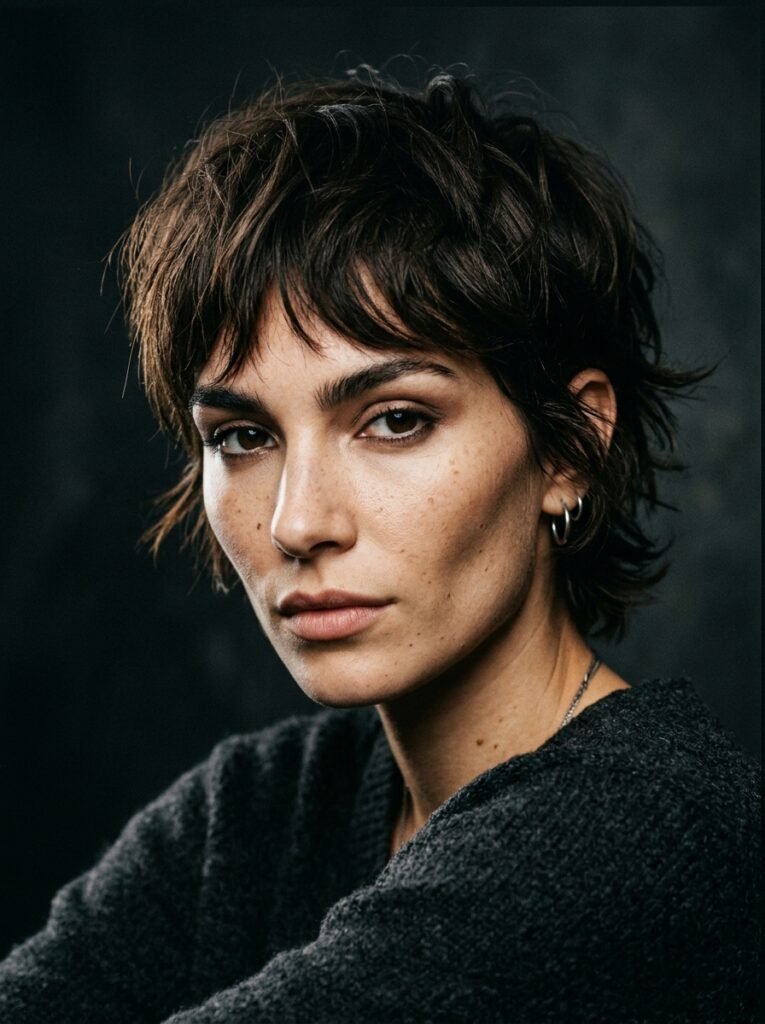
For anyone ready to go short, the shaggy pixie carries the same layered logic down to a smaller scale. The proportions change. The underlying idea does not.
This length asks more of face shape awareness than any longer version. There is no extra length left to soften a mismatch. A quick consultation on bone structure before cutting matters more here than with any other style on this list.
Daily upkeep drops considerably at this length. A small amount of paste worked through with the fingers usually covers the whole routine.
The Wash-and-Go Route: Natural Texture Shag

Rather than choosing a fixed shape and asking the hair to comply, this version starts from what the hair already does. Wave, curl, or straight hair with natural body all become the starting point.
This approach depends heavily on an honest consultation. Daily routine and product habits matter. How the hair actually behaves day to day shapes where a stylist places the layers.
The payoff is a cut that keeps working as hair changes with age or season. It was never built around one artificial shape to begin with.
Adding Colour: The Color Melt Shag

A colour melt blends two or three shades seamlessly from root to tip. It is the same technique colourists use to soften a harsh regrowth line. Applied to a shag, it takes on extra dimension, since each layer sits at a different angle and catches the gradient differently.
The result is colour that appears to shift as the hair moves, rather than sitting flat. A senior colorist quoted by NewBeauty explains that this blending eliminates the sharp line between root colour and lightened lengths. That is exactly what makes it read as natural rather than artificial.
Popular combinations include deep brunette fading into caramel, and espresso melting into auburn and copper. Whatever the combination, the shag’s own layering does most of the work showing it off.
Final Thoughts
Matching a shag to face shape and hair type first tends to produce a far better result than picking a style from a photo alone. The underlying technique stays similar across every version. What changes is where the weight and layering actually go.
Bringing a clear sense of face shape, hair density, and daily routine into a consultation gives a stylist what they actually need. This guide to the best long hairstyles for your face shape covers how length and shape interact more broadly.
Frequently Asked Questions
Which shag suits a round face best? The wolf cut works particularly well, since its heavy crown volume adds height and elongates the face. Length below the crown should stay slim to avoid adding extra width.
Can a shag work on very thick hair? Yes, and it often solves problems a single-length cut cannot. Razor or slide cutting removes interior weight without losing the fullness that makes thick hair distinctive.
Is a shag a good option for curly hair? Very much so. The layering removes weight that pulls curls flat, letting natural spring and volume come through. A stylist experienced with curl shrinkage gets the most accurate result.
What face shape suits a shag least? Very few face shapes are ruled out entirely, since the length and layer placement can adjust to most proportions. The details of that adjustment matter more than the base concept.
How does colour interact with a shag cut? Layering shows off colour more visibly than a single-length cut does, since each layer catches light and gradient differently. A colour melt in particular benefits from that structure.