Scalp care: how to keep your scalp healthy for stronger hair
Your scalp is skin, and like the skin on your face it does better with a little regular care. A healthy scalp is the foundation for healthy hair, since every strand grows out of it. This guide covers simple scalp care: how to wash without overdoing it, what to do about an oily, dry or flaky scalp and which habits quietly cause irritation. None of it is complicated, and most of it fits into the routine you already have.
Scalp care means keeping the skin under your hair clean, balanced and free of buildup, since healthy hair grows from a healthy scalp. Wash your scalp based on how oily it gets, concentrate shampoo on the roots, rinse well and handle it gently. See a dermatologist for lasting itching, flaking or hair loss.
What is scalp care and why does it matter?
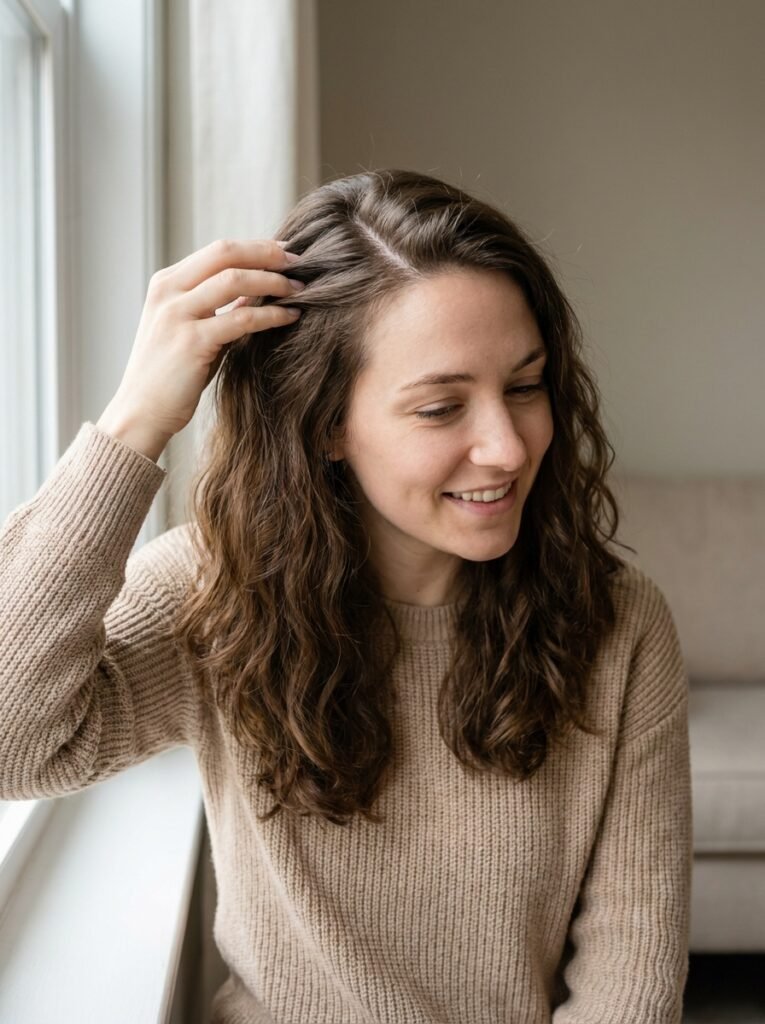
Scalp care is the practice of keeping the skin under your hair clean, balanced and comfortable. Because your scalp is skin, it can get oily, dry, flaky or irritated, just like the skin anywhere else. Healthy hair grows from a healthy scalp, so looking after the scalp is really the starting point for looking after your hair.
When the scalp is out of balance, you tend to notice it in your hair. An oily scalp can leave roots looking greasy, a dry scalp can feel tight and itchy and buildup from products can dull your hair and clog things up. Good scalp care mostly means washing the right amount, keeping buildup down and not irritating the skin. Everything else in this guide is a version of those ideas.
How do you build a simple scalp care routine?
A simple scalp care routine has four parts: cleanse regularly, avoid over-washing, rinse thoroughly and handle the skin gently. Cleansing keeps oil and buildup in check, and rinsing well makes sure no shampoo, conditioner or styling product is left sitting on your scalp. Gentle handling protects the skin and the hair follicles from irritation.
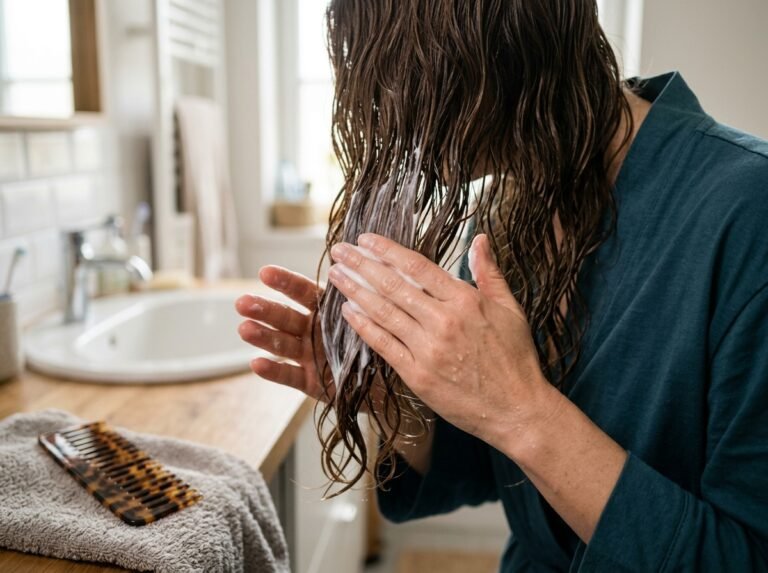
In practice, that looks like washing your scalp on a schedule that suits how oily it gets, massaging shampoo in with your fingertips rather than your nails and rinsing until the water runs clean. Between washes, keep heavy products off your roots and give your scalp a break from tight styles that pull. A short, gentle scalp massage while you wash feels good and helps spread your natural oils, though it is a nice extra rather than a must. If you want the full picture of washing, conditioning and heat protection, our guide to a simple hair care routine covers the strands while this one focuses on the scalp.
How often should you wash your scalp?
How often you should wash your scalp depends mainly on how oily it gets and your hair type. There is no single right number. The American Academy of Dermatology suggests washing based on how oily your scalp is, so an oily scalp with fine or straight hair may need daily or near-daily washing, while a drier scalp with curly or coily hair can usually go several days or longer.
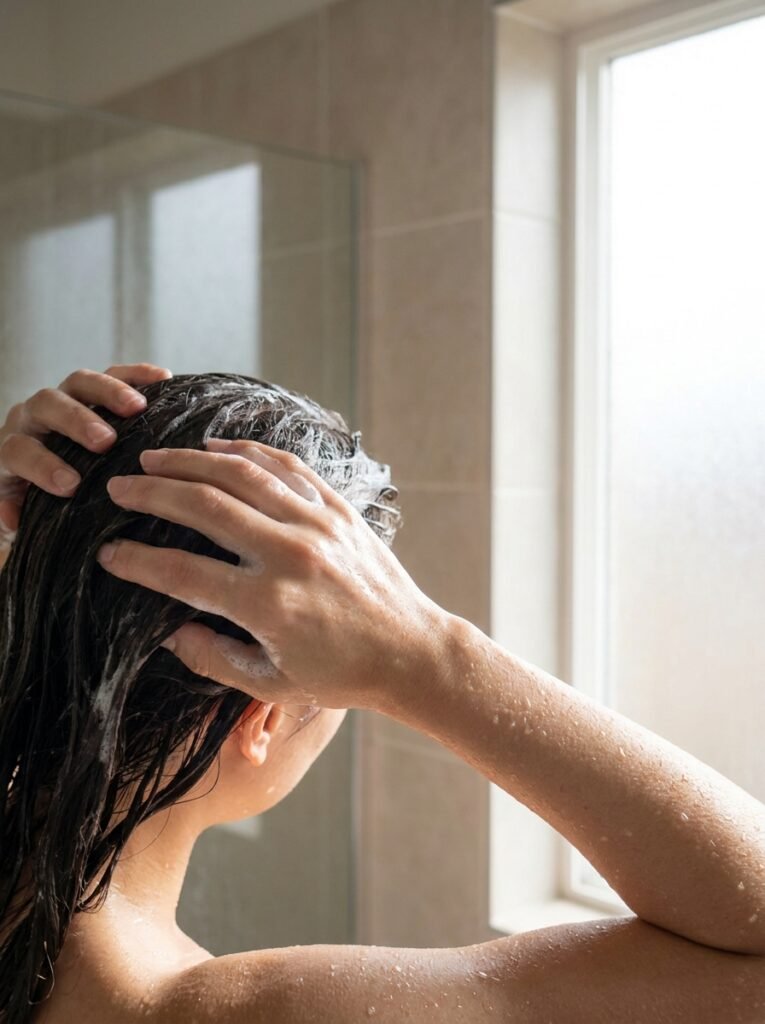
When you do wash, focus the shampoo on your scalp rather than the length of your hair. That is where oil, sweat and buildup collect, and it keeps your ends from getting dried out. Let the suds rinse down the strands on their own. If your roots feel greasy a day after washing, you probably need to wash a bit more often. If your scalp feels tight and flaky, you may be washing too much or using something too harsh.
How to deal with an oily scalp
An oily scalp is mostly managed by finding the right wash rhythm, not by scrubbing harder or washing constantly. Wash often enough to keep the roots feeling fresh, and concentrate shampoo on the scalp so you actually clear the oil. Keep conditioner on the ends only, since heavy conditioner near the roots can make oiliness worse.
A few habits help too. Try not to touch or run your hands through your hair all day, which spreads oil from your scalp down the lengths. Go easy on heavy oils and creams at the roots, and if you use dry shampoo between washes, do not let it pile up, since buildup can irritate the scalp over time. Resist the urge to wash several times a day, as stripping the scalp can sometimes push it to make even more oil. If oily roots are a regular battle, our styles that work for oily hair can help stretch the time between washes.
How to deal with a dry, flaky or itchy scalp
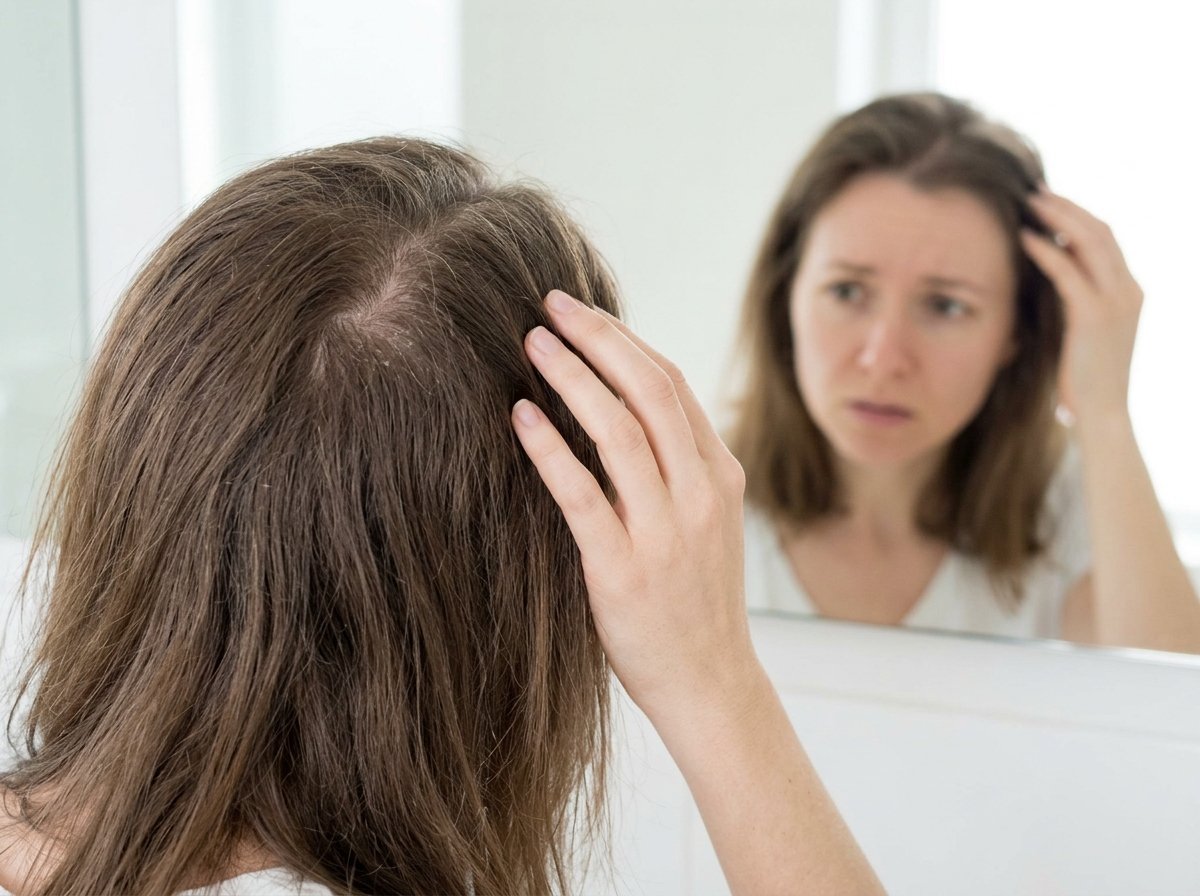
A dry, flaky or itchy scalp usually needs gentler washing, more moisture and less scratching. Harsh shampoos, hot water and washing too often can all dry the scalp out, so switch to a gentle, hydrating shampoo, use lukewarm water and do not overdo it. Resist scratching, which irritates the skin and can lead to more flaking and even breakage.
Flaking has more than one cause, and telling them apart helps. If your scalp is often flaky and itchy, a dandruff shampoo used regularly can help with mild cases. The American Academy of Dermatology notes that most people can treat mild dandruff at home by washing regularly with a dandruff shampoo, and that stubborn or severe flaking should be checked by a dermatologist, since it can be a sign of a condition such as seborrheic dermatitis, psoriasis or eczema. Do not try to diagnose yourself, and see a professional if home care is not working.
Dry scalp and dandruff are not the same
Scalp and dandruff both cause flaking, but their causes and fixes differ. Dry scalp is simply dry skin, with small, dry white flakes and a tight, itchy feeling, and it often comes with dry skin elsewhere on your body. Dandruff usually involves larger, oilier flakes and is linked to a common scalp yeast and the oils on your scalp, not just dryness. Dry scalp tends to improve with gentler washing and more moisture, while dandruff often responds to a dandruff shampoo. If you are not sure which you have or it will not clear up, a dermatologist can tell the difference and help.
Scalp care for different hair types
Scalp care shifts a little by hair type, mostly around how often you wash and how gentle you need to be. The scalp itself works the same way, but oil travels differently along straight versus curly hair, so the routine adjusts. Here is the short version for the main types.
Straight and fine hair often has an oilier-looking scalp because oil slides easily down the strands, so it usually needs more frequent washing with shampoo focused on the roots. Curly and coily hair tends to have a drier scalp and lengths, since natural oils have a harder time traveling down bent strands, so it usually needs less frequent washing and more moisture. If you have curls, our guide to caring for and styling curly hair pairs well with a gentler scalp routine. Whatever your type, match your wash frequency to how your scalp actually feels rather than a fixed rule.
Common scalp care mistakes to avoid
The most common scalp care mistakes are over-washing, scratching, letting product build up and scrubbing too hard. Over-washing strips the scalp and can leave it dry or push it to overproduce oil, so match your schedule to your scalp instead of washing on autopilot. Scratching an itchy scalp feels good for a second but irritates the skin and can cause more flaking and breakage.
A few more are easy to miss. Piling on dry shampoo, gels and other products without washing them out leaves buildup that can clog and irritate the scalp, so rinse thoroughly and clarify now and then. Digging in with your nails while you wash can scratch the skin, so use your fingertips. People also forget that the scalp can burn in the sun, especially along a part or where hair is thin, so wear a hat or use sun protection on exposed skin. Small, gentle habits beat harsh routines here.
When to see a dermatologist about your scalp
See a board-certified dermatologist if your scalp has lasting itching, flaking, redness, sores or tenderness, or if you notice hair loss. Everyday scalp care handles most oiliness, dryness and mild flaking, but ongoing or severe symptoms can point to a condition that needs proper treatment, such as seborrheic dermatitis, psoriasis or a scalp infection. A dermatologist can diagnose and treat scalp conditions that home care alone will not fix.
It is also worth checking in if a product causes burning, itching or a rash, or if flakes and itch keep coming back no matter what you try. Getting it looked at sooner usually means an easier fix, and it takes the guesswork out of what your scalp actually needs.
Frequently asked questions
How do I know if my scalp is healthy?
A healthy scalp usually feels comfortable, with no ongoing itching, burning, flaking or soreness, and hair that grows and sheds normally. It is not overly greasy a few hours after washing, and it is not tight, dry or covered in flakes. Some daily shedding is normal, and a little oil is healthy. If your scalp is often itchy, red, very flaky or tender, or you notice more shedding than usual, it is worth paying closer attention or checking with a professional.
Is it better to have a dry or oily scalp?
Neither a dry nor an oily scalp is better; a balanced scalp is the goal. An oily scalp can leave hair looking greasy and may need more frequent washing, while a dry scalp can feel tight, itchy and flaky and usually needs gentler washing and more moisture. Both are common and manageable once you match your routine to your scalp. What matters is comfort and balance, not chasing one extreme.
Can a dirty scalp cause hair loss?
A dirty or neglected scalp does not usually cause permanent hair loss on its own, but heavy buildup, irritation and constant scratching can lead to inflammation and breakage over time. Product buildup and infrequent washing can also worsen flaking and itch. Most everyday shedding is normal and not caused by hygiene. If you notice real thinning or bald patches, that points to something beyond a dirty scalp and is worth a dermatologist’s opinion.
How often should I exfoliate my scalp?
For most people, a gentle scalp exfoliation once a week or every couple of weeks is plenty, and many do fine without it at all. Exfoliating can help remove buildup from products and dead skin, but doing it too often or too roughly can irritate the scalp. If your scalp is sensitive, flaky or has an ongoing condition, be cautious and check with a dermatologist before adding scrubs. Gentle is always better than aggressive.
Does scalp massage really help hair grow?
Scalp massage may support a healthy scalp and is relaxing, but it is not a proven way to dramatically grow hair. Gently massaging your scalp can increase blood flow to the area and help you spread natural oils or products, which many people enjoy as part of their routine. It will not fix hair loss on its own. Think of it as a small, pleasant habit rather than a treatment, and keep the pressure gentle.
What is the difference between dry scalp and dandruff?
Dry scalp and dandruff both cause flaking, but they have different causes. Dry scalp is simply dry skin, with small white flakes and a tight, itchy feeling, often alongside dry skin elsewhere. Dandruff tends to involve larger, oilier flakes and is linked to a common scalp yeast and oil, not just dryness. Dry scalp usually improves with gentler washing and moisture, while dandruff often responds to a dandruff shampoo. Persistent cases should be checked by a dermatologist.
Treat your scalp like skin
The simplest way to think about scalp care is to treat your scalp like the skin it is: keep it clean, keep it balanced and do not irritate it. Wash on a schedule that fits how oily it gets, focus shampoo on the roots, rinse well and go easy on scratching, buildup and harsh products. Adjust for your hair type, and get lasting itching, flaking or hair loss checked out. Pick one change to start with, like a gentler wash or a good rinse, and let it become a habit.
Ready to show off the hair that grows from a healthier scalp? Browse the styling guides on Aura Hair Style and find a look that suits your hair.