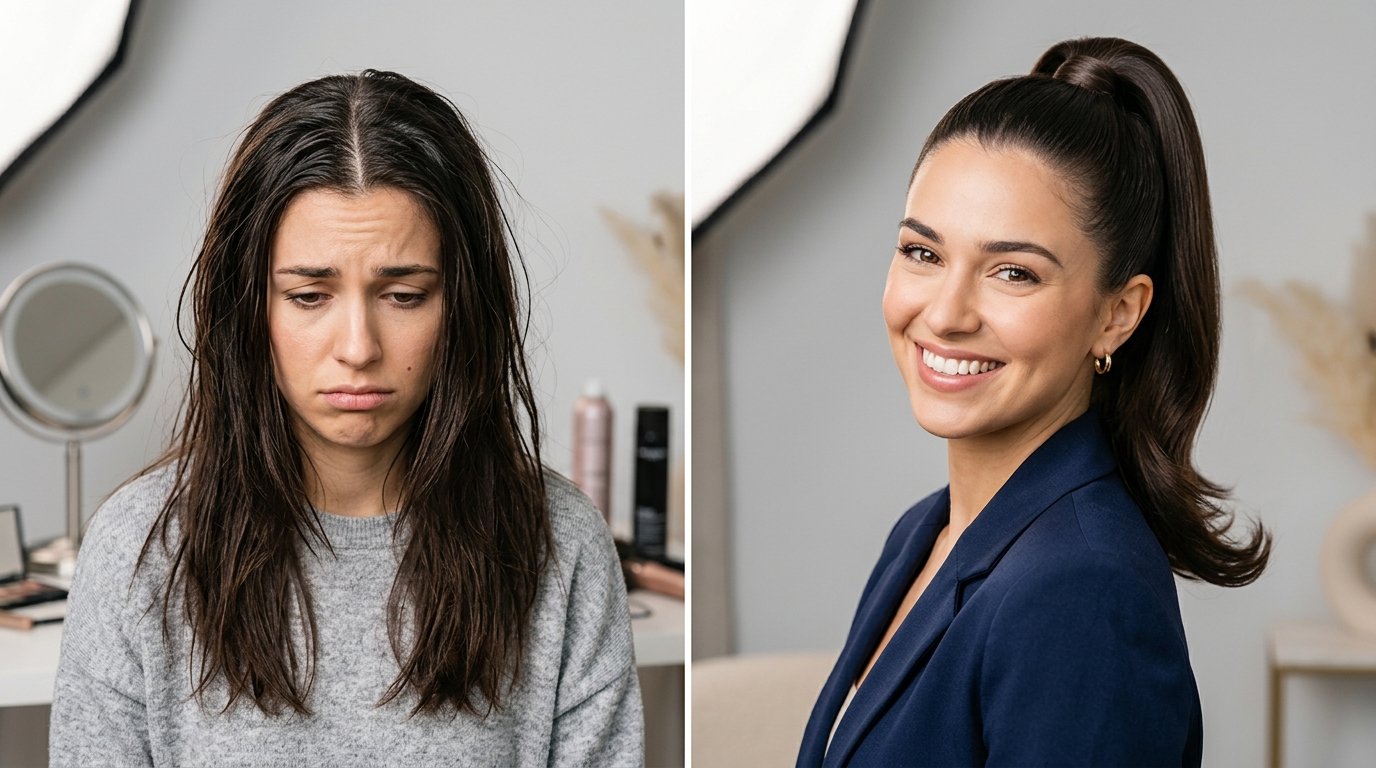
New Hairstyle 2026 for Oily Hair That Stays Fresh All Day Long
Oily hair carries a specific frustration: freshly washed in the morning, limp and greasy by mid-afternoon regardless of effort. Finding a style that works with oily hair rather than fighting it changes the daily routine considerably. The right cut paired with the right approach turns that frustration into something closer to confidence.
Certain hairstyles genuinely conceal and manage oiliness better than others, and several of 2026’s most popular styles happen to suit oily hair particularly well. Knowing which styles work in favour, which products actually help, and which small techniques keep hair looking its best through the day makes a real difference for anyone managing excess oil. Ten of the best styles for oily hair in 2026 follow below.
The Textured Pixie Cut
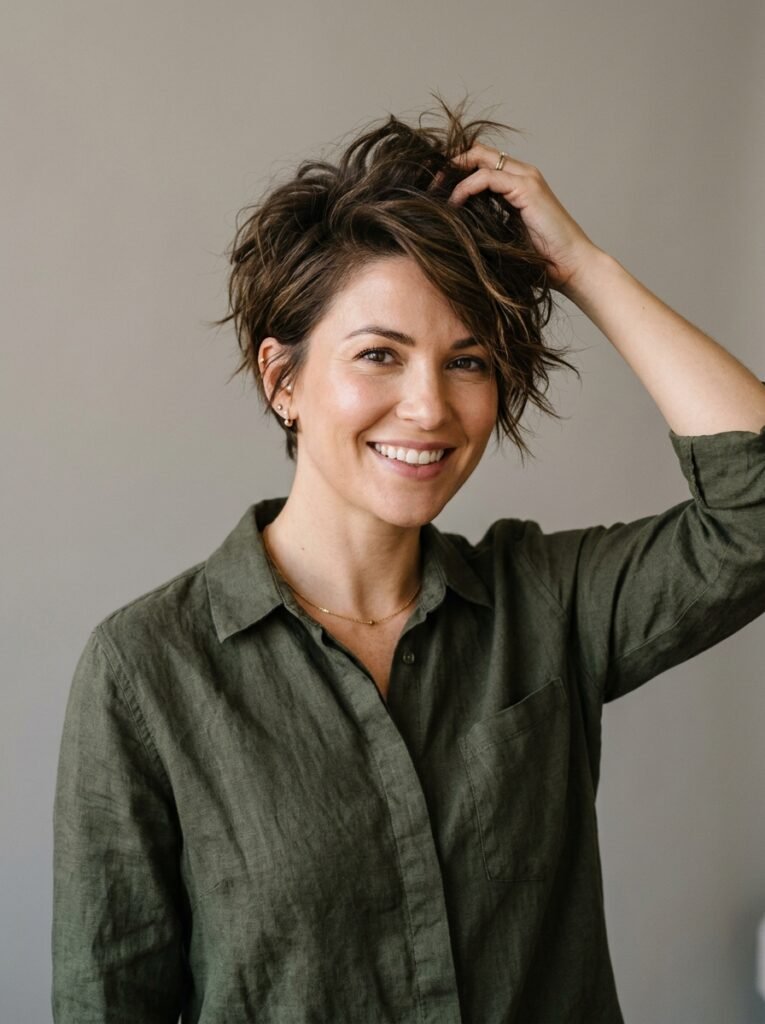
A textured pixie cut works well for oily hair for a simple reason: less hair means less visible oil. Close-cut, textured hair lets natural scalp oils distribute quickly and evenly across shorter strands rather than pooling at the roots, which keeps the style fresher for longer than most longer cuts manage.
Texture matters here specifically, since deliberate layers and an undone finish add visual complexity that makes root oiliness far less noticeable than it would be on a sleek, smooth short style. Pomade or texturising paste worked through the ends on day-two hair often enhances the texture rather than fighting it.
Styling this cut for oily hair means keeping heavy product away from the roots entirely, focusing application on mid-lengths and ends instead. Dry shampoo applied at the roots each morning absorbs overnight oil while adding the volume and texture that keeps the pixie looking intentional through long days.
The High Ponytail with Volume
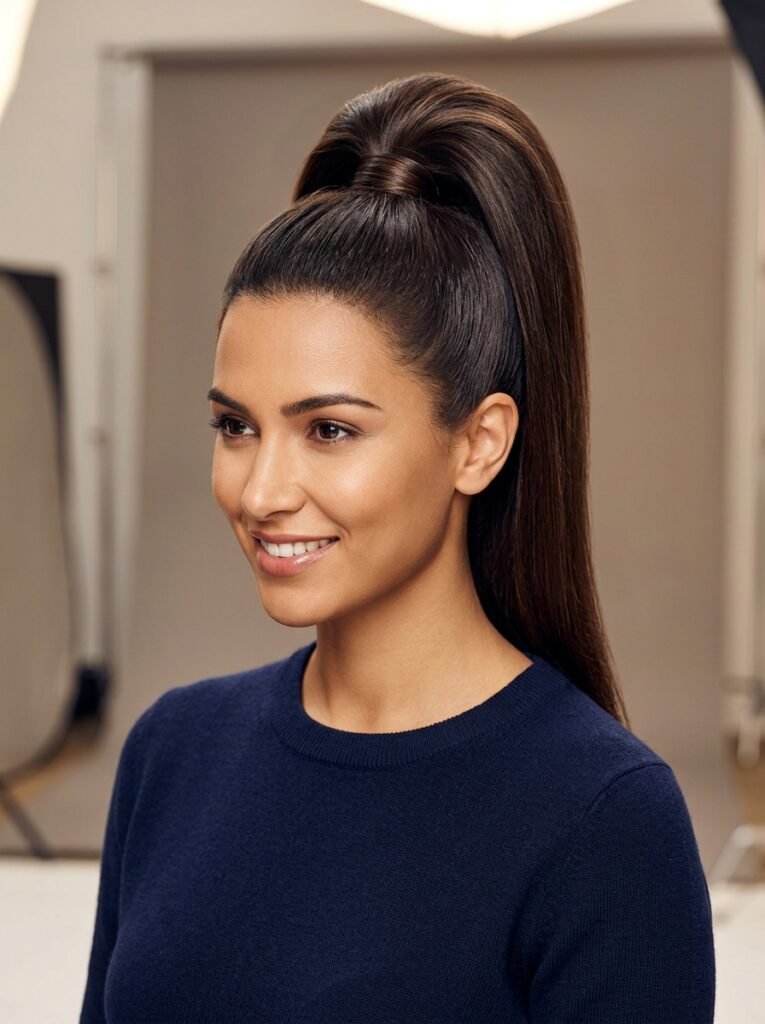
Pulling hair up and away from the face immediately removes visible root oiliness, and a high ponytail with added crown volume reads as deliberately styled rather than simply functional — the difference between a good oily-hair-day look and an obvious one.
Building that volume starts with gently backcombing the crown before gathering the hair and securing the ponytail high. Wrapping a small section around the elastic hides it in seconds, and a light-hold hairspray on the crown before gathering helps the volume last without the flat, weighted look oily hair tends toward by afternoon.
The style dresses up or down easily: a silk scrunchie adds a touch of luxury, a ribbon adds playfulness, a plain elastic keeps things clean and professional. Root oiliness stays hidden within the gathered base regardless of which direction it goes.
The Sleek Top Knot
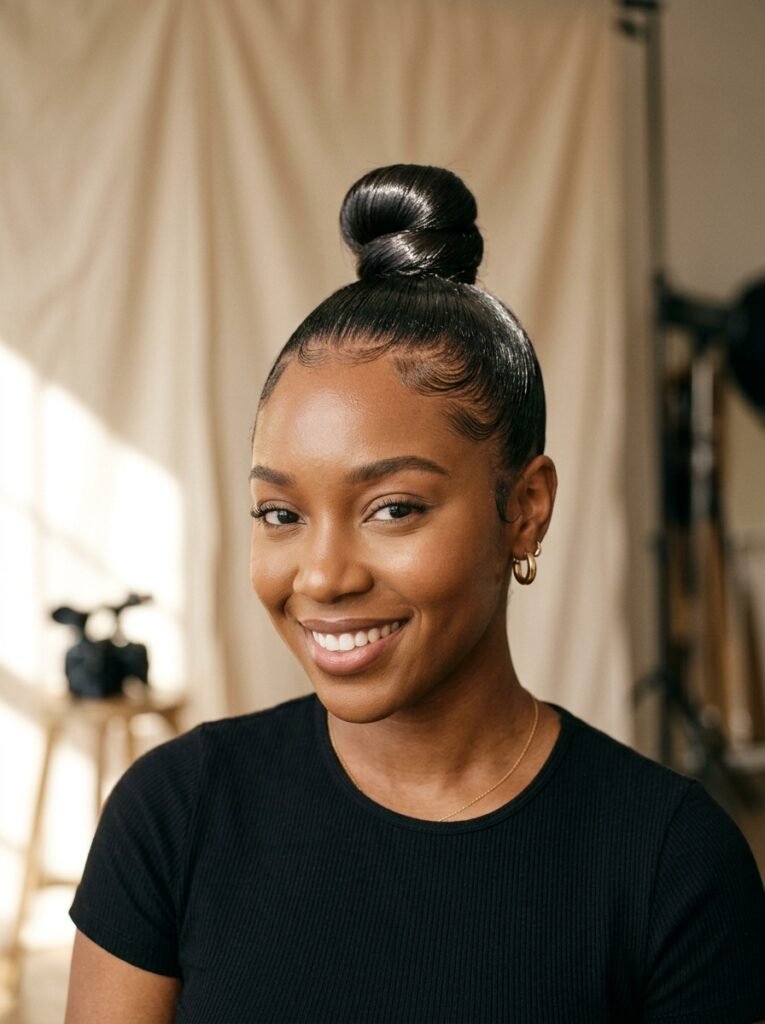
A sleek top knot turns oily hair’s natural weight and clumping tendency into an advantage rather than a problem. Oily hair often holds a smooth, sleek style better than freshly washed hair, and a top knot on second or third-day hair can read more polished than the same style on hair straight from the shower.
Building the knot involves a smoothing gel or strong-hold pomade worked through before gathering, then a fine-tooth comb to flatten flyaways as the hair pulls upward. Wrapping and pinning the knot tightly keeps it from loosening through the day, and a little edge control along the hairline finishes the sculptural look.
This style delivers a reliable result in under ten minutes regardless of how the hair feels going in, which makes it a dependable option on days when washing simply isn’t possible. Practice tends to make it look increasingly effortless.
The Braided Updo
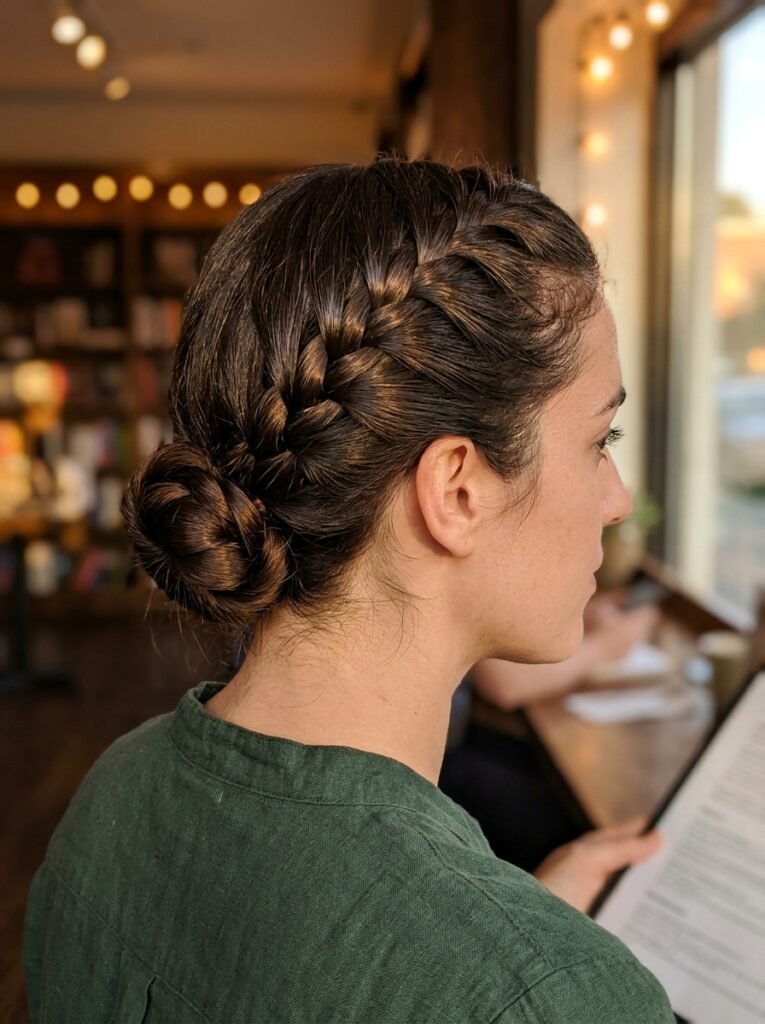
Braiding removes hair from contact with the face and neck, where oil transfer tends to be highest, while a settled braid often takes on a natural sheen from any slight oiliness rather than looking greasy. Arranged at the back of the head, this reads elegant enough for both work and special occasions.
The specific braid adapts to skill level: a simple three-strand braid coiled into a nape bun takes under five minutes, a French braid running from hairline to nape coiled into a bun looks more intricate than it actually requires, and a loosely twisted fishtail braid reads bohemian for casual or outdoor settings.
Keeping the hair secured also prevents the constant touching that redistributes scalp oil down through the lengths. Leaving the updo alone once it’s in place is one of the more effective habits for keeping any oily-hair style looking fresh into the evening.
The Tousled Bob with Volume

Deliberate texture and an undone finish let root oiliness blend into the overall look rather than standing out. The bob length also helps directly, since oil travels a shorter distance down the shaft before reaching the ends, keeping lengths fresher than on longer styles.
Building the tousled, voluminous finish means focusing volumising products at the mid-lengths and ends rather than the roots, where extra product only compounds the oiliness. A texturising spray through the lengths adds grit and movement, and diffusing away from the roots builds body without stimulating more oil production at the scalp.
On second and third-day hair, the tousled bob often looks better than it did fresh from washing, since overnight texture adds richness to the finish. A quick dry shampoo refresh at the roots and a scrunch through the lengths usually revives it.
The French Twist
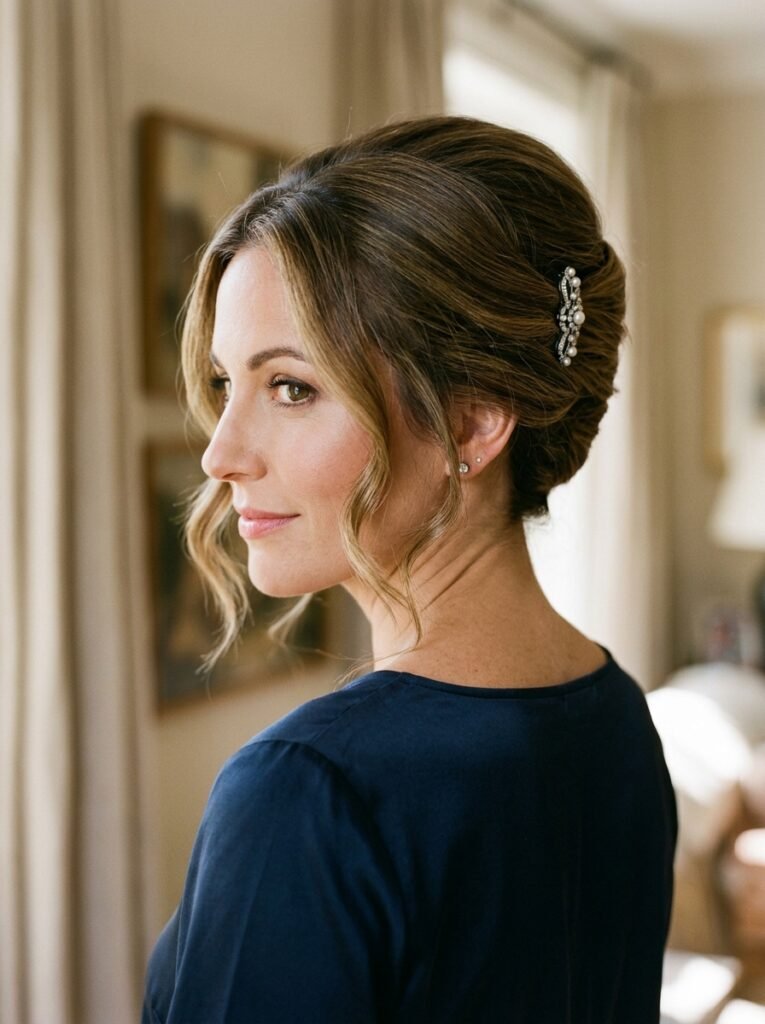
A French twist rolls the full length of the hair into a vertical twist secured at the back of the head, sitting cleanly away from the face and neck. The structure conceals root oiliness behind a polished, intentional silhouette that suits most professional and social settings.
The technique actually benefits from hair with a little natural grip, which oily hair tends to have by day two or three. Freshly washed hair can be too slippery to hold the roll without excessive pinning, so the natural texture of slightly oily hair often gives the twist better staying power.
Updating the classic shape for everyday wear is straightforward: a few softly waved face-framing pieces left loose at the temples add romance, and a decorative pin, pearl clip, or small jewelled accessory at the side personalises the finish.
The Curtain Bang Blowout with Dry Shampoo
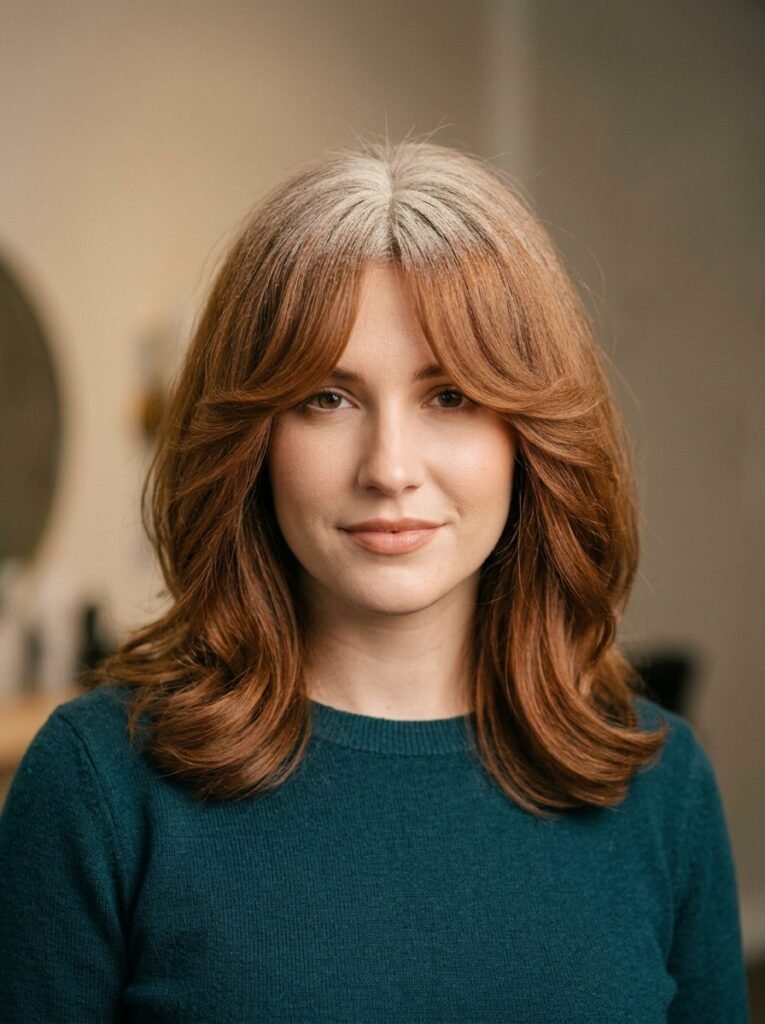
A curtain bang blowout, paired with a strategic dry shampoo routine, extends its freshness well beyond what the blowout alone could manage on oily hair. Curtain bangs also fall away from the oiliest part of the scalp at the crown, so they tend to stay looking defined longest — a similar refresh approach runs through this guide to gym-to-street hairstyles, which covers quick dry-shampoo techniques for reviving hair mid-day.
Applying dry shampoo before oiliness becomes visible, rather than after, matters more than most people realise. Dry shampoo works by using starch or clay-based particles to physically absorb sebum at the roots — two dermatologists explain to the American Academy of Dermatology that it should go on the scalp in small amounts, sit briefly, then get brushed out to remove the oil along with the product. Applying it the night before or first thing in the morning gets ahead of buildup rather than reacting to it.
The bangs benefit from a fresh blow-dry each morning even on days the rest of the hair skips a refresh. At under two minutes with a small round brush, that small daily effort makes the whole style read more put-together, even when dry shampoo and a quick brush are doing the rest of the work.
The Low Twisted Half-Up
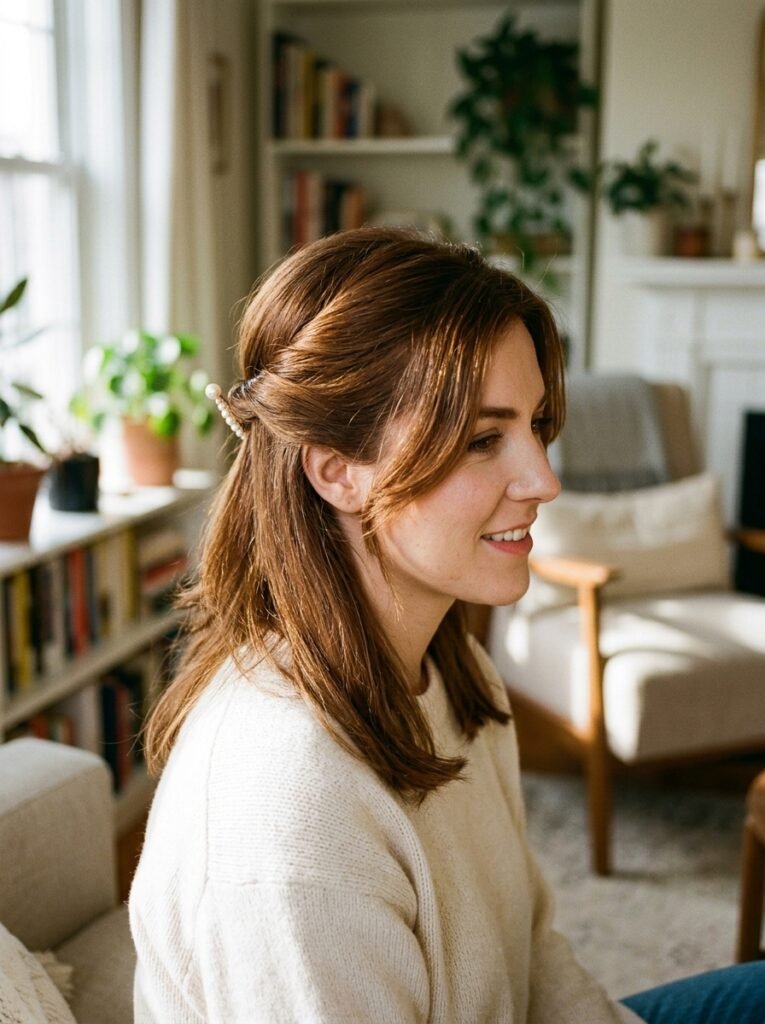
Twisting the top section of hair back and securing it at the centre removes the oiliest part of the head — the crown and the area just behind the hairline — from view, building a clean, flattering frame around the face.
The style also discourages touching the top of the hair once secured, and less touching means less oil transferred from fingertips to roots through the day. A good clip or small clear elastic holds it firmly enough that no fidgeting or readjusting is needed.
Dressing this up or down takes seconds: a silk scrunchie in colour adds playfulness for casual days, a pearl-tipped pin adds romance for dressier occasions, and a plain tortoiseshell clip keeps things clean for work. Each variation manages the oiliness equally well.
The Space Buns

Two high buns remove every strand from the oiliest zone at the crown, and the buns themselves cover the root area completely regardless of what the scalp is doing underneath. The style often looks better on day two or three hair, since the natural grip of slightly oily hair helps the buns hold shape and volume more securely.
Creating space buns on oily hair is genuinely easier than on freshly washed hair, since the natural oils add malleability without the slipperiness that can make the same style harder on very clean hair. An elastic per bun, a few pins for stray ends, and a light spritz of flexible-hold spray covers what the style needs.
The look carries a naturally playful energy suited to casual days, festivals, and outdoor events. Colourful scrunchies, silk ribbons, or small decorative clips add personality and keep the style reading as a deliberate choice rather than a fallback for a bad hair day.
The Sleek Low Ponytail
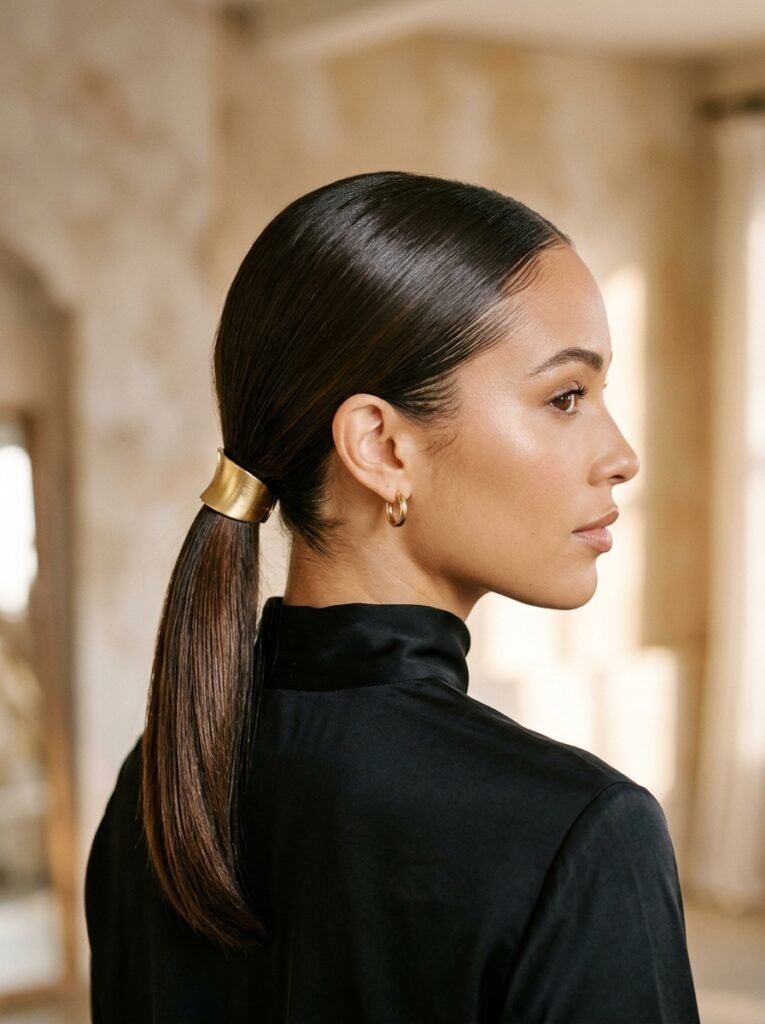
A low ponytail gathered smoothly at the nape uses oily hair’s natural smoothing effect to build a glossy, deliberate-looking finish. The oil that causes problems elsewhere becomes an asset here, helping the hair lie flat without needing extra product.
Precision separates an elegant result from a merely functional one. A fine-tooth comb drawing every strand smoothly back before securing eliminates bumps, and wrapping a small section around the elastic, plus a touch of edge control along the hairline and a light shine spray, finishes the look.
Accessorising takes it in different directions — a silk scarf tied at the base leans romantic for casual days, a gold cuff over the elastic reads sophisticated for evenings, and a plain elastic alone stays minimalist for work. Every version keeps the oiliness concealed behind a polished silhouette.
Final Thoughts
Oily hair doesn’t have to mean constant bad hair days. The right cut, the right style, and a consistent daily approach can shift the whole relationship with hair from frustrating to manageable. The core principle across every style here is the same: work with the hair type rather than against it, choose styles that conceal oiliness by design, and build a routine around dry shampoo, strategic product placement, and minimal touching — a similar occasion-flexible approach to styling runs through this guide to first-date hairstyles for anyone wanting more options across different settings.
Every style on this list is genuinely achievable on oily hair, each with its own occasion and aesthetic. Oily hair doesn’t need to dictate what’s possible — the right style just needs choosing.