Curtain Bangs Hairstyles: How They Adapt to Every Hair Type
Curtain bangs are less a bang style. They are more a technique. They adapt to whatever the rest of the hair is doing. That flexibility is why they have stayed popular so long.
This guide moves through that range directly. Straight hair down first. Then waves, structured cuts, updos, and colour. Each section covers what changes about the bangs themselves.
On Straight Hair Worn Down

Long, straight hair is where curtain bangs first became popular. The simplicity is exactly why. Nothing else competes for attention. The bangs become the whole point.
Keeping this version sharp comes down to condition. Split ends show up clearly against plain length. Dryness does too. Regular trims matter more here than on busier styles.
A heat protectant before flat-ironing helps. So does a light serum on the ends. Both keep the length looking healthy enough to support that simplicity.
On Straight Hair, Blown Out With Layers
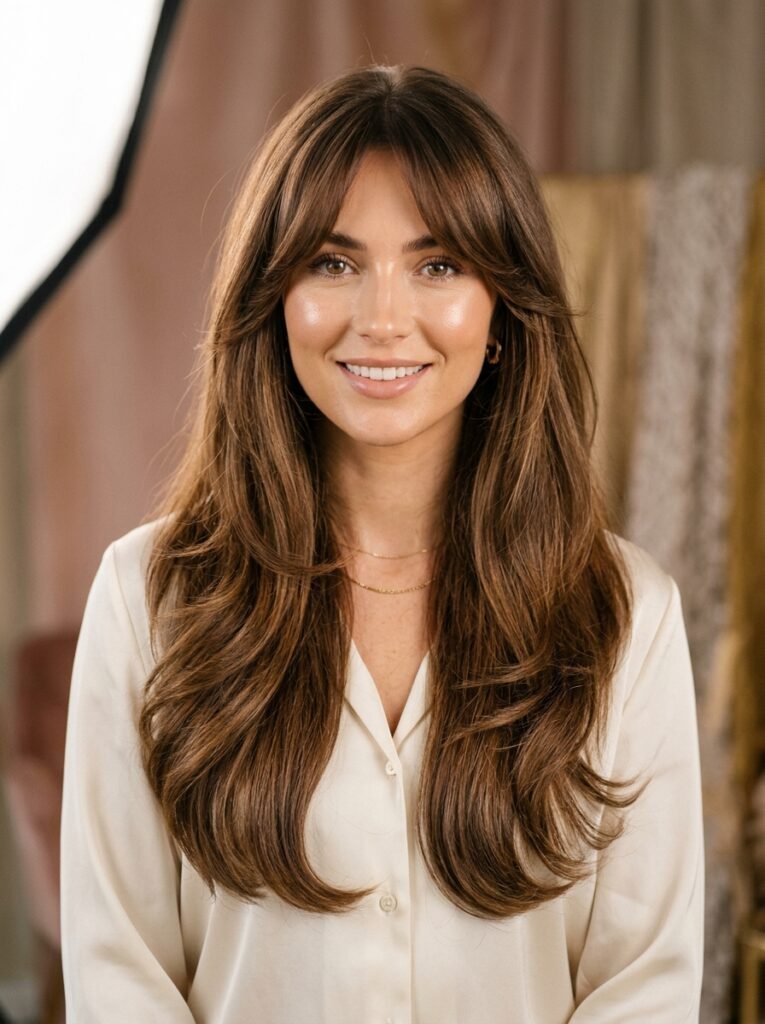
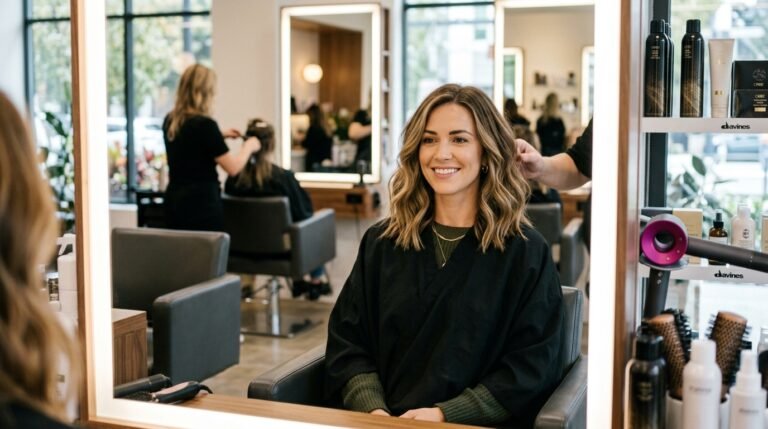
Layers change the maintenance picture. Movement throughout the length forgives more than a plain cut. The bangs blend into that movement instead of standing apart.
A round-brush blowout ties the two together. Roll the bangs forward slightly first. Sweep them outward next. Continue that same motion through the rest of the layers.
This version suits round faces particularly well. The vertical layer movement works with the bang sweep. Together they elongate the face rather than adding width.
Waved Rather Than Straight
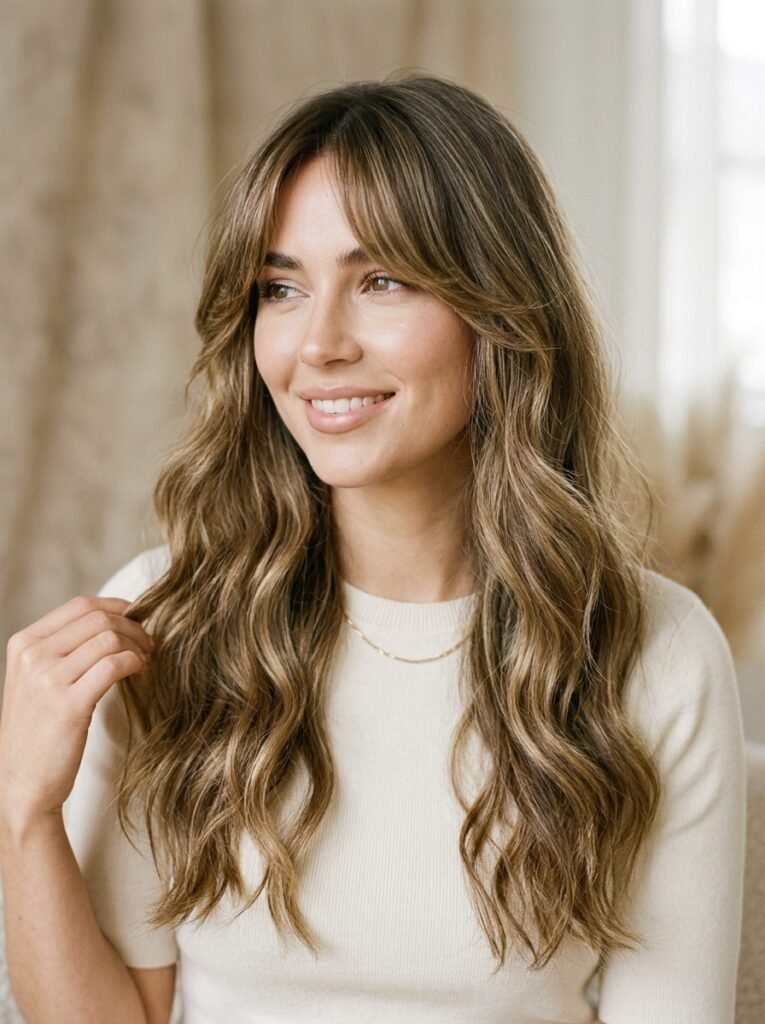
Waves soften the bangs into something romantic. A large barrel iron does most of the work. Wrap loosely, then let sections cool fully before touching them. That builds a wave pattern that holds all day.
The bangs need their own small wave. Leftover heat from the rest of the hair is not enough. One loose wrap, held a few seconds, keeps them from reading flat.
Slight imperfection is the goal here. Fingers through the finished waves work better than a brush. That keeps the whole style from looking too deliberate.
Paired With a Structured Bob

A precise bob asks more of curtain bangs. The clean lines elsewhere mean small unevenness shows fast. This pairing needs a stylist skilled at both precision cutting and soft bang shapes.
The bob structure does the heavy lifting. The bangs mainly soften it. Square and diamond face shapes benefit most, since the bob keeps a strong jawline while the bangs ease the forehead.
Upkeep runs slightly higher here than other pairings. Both the bob line and the bang line need to stay sharp. Otherwise the combination reads as simply grown out.
Paired With a Lob
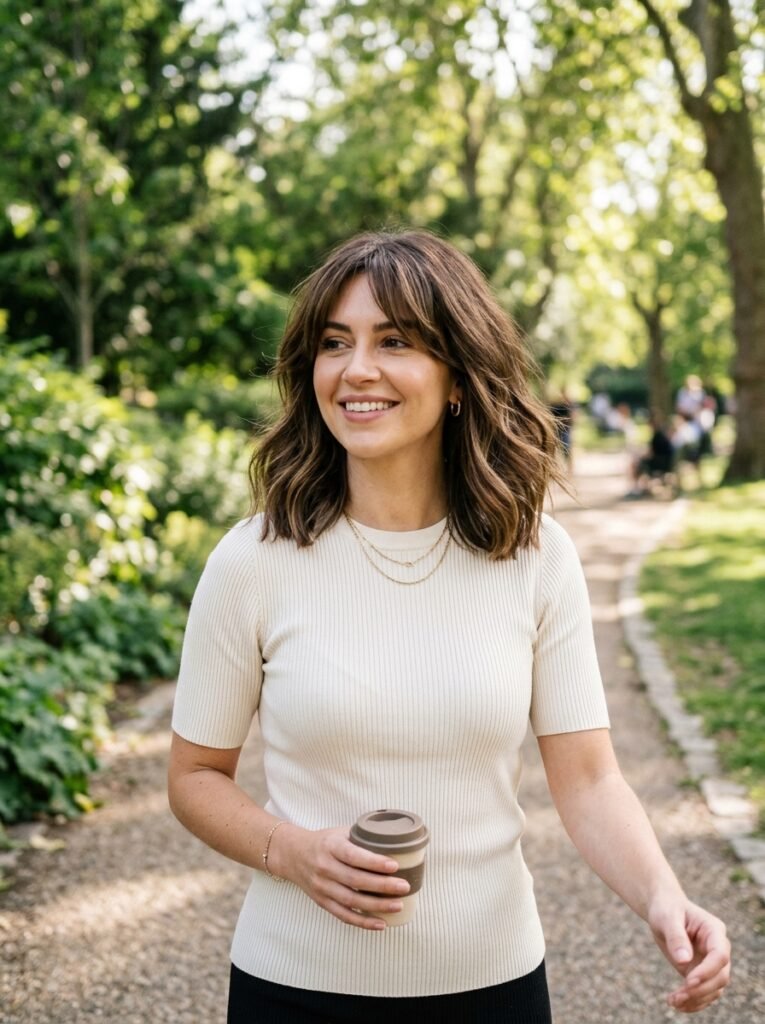
A lob gives curtain bangs more breathing room than a bob. The extra length below softens any strictness in the cut. This is one of the more forgiving pairings for a first-time try.
The lob and the bangs grow out at different rates. A stylist usually schedules two separate check-ins. The bang line needs attention every six weeks. The lob length can stretch closer to ten. A closer look at this length on its own sits in this guide to lob hairstyles.
Texture works in this pairing’s favour. A little roughness through the lob helps. It keeps the bangs from looking pasted-on against a length with movement of its own.
On Curly or Wavy Texture
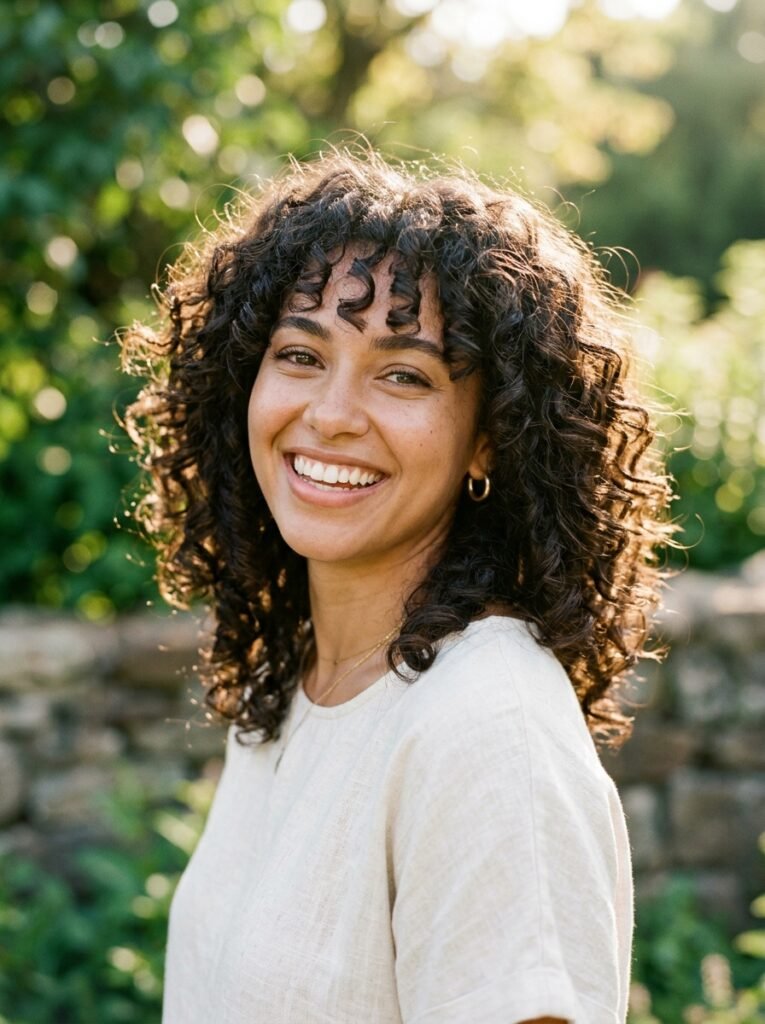
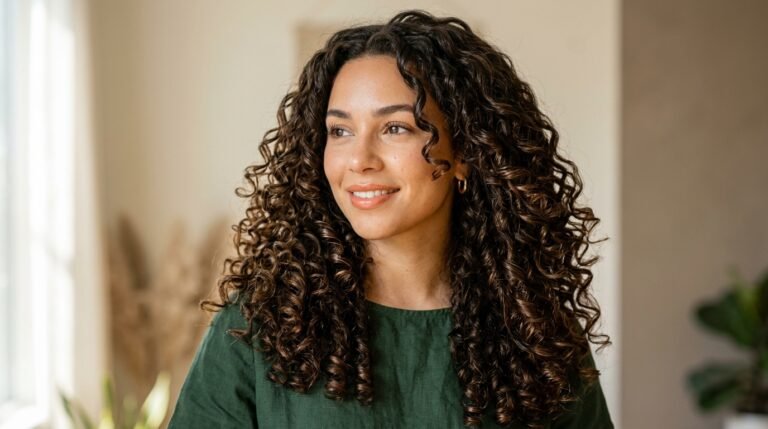
Curl pattern changes the cutting approach entirely. The consultation matters most here of any pairing. Curls shrink noticeably as they dry. A stylist quoted by PureWow explains that cutting wet risks unexpected length once curls spring back. Curtain bangs need extra length built in to land correctly.
Once cut correctly, curly curtain bangs need little daily styling. Curl cream scrunched in while damp usually does it. Left alone to dry, the result often beats a straight version’s active styling.
This is also a forgiving entry point into bangs generally. Natural texture disguises small inconsistencies. Straight hair shows the same flaws clearly.
Pulled Back Into a Ponytail
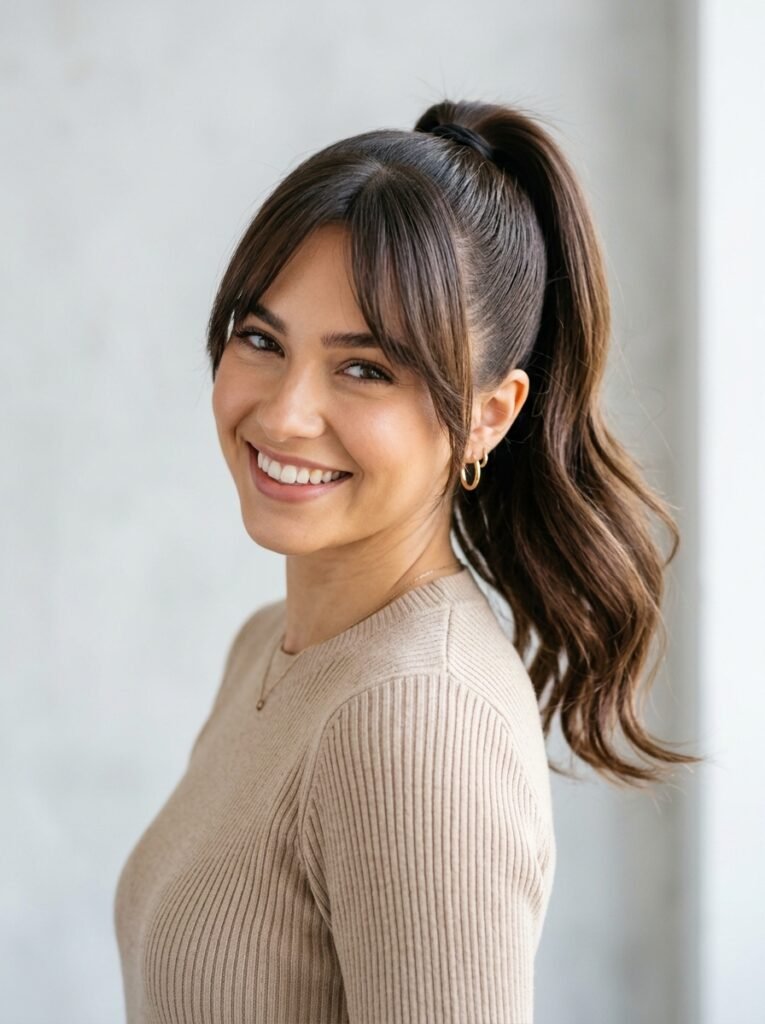
Pulling the rest of the hair back turns the bangs into the whole story. The contrast between sleek and soft is what makes this work. It is also one of the fastest options here.
Ponytail height shifts the mood. High reads energetic. Low reads composed. The bangs stay constant throughout, which makes this pairing flexible across occasions.
The whole look takes under two minutes once the bangs are already styled. Only the ponytail itself needs any real attention that day.
Styled Into a Half-Up Twist

Half-up styles sit between fully down and fully secured. Curtain bangs suit that middle ground well. The crown stays tidy. The bangs and length keep some movement.
How tightly the top section gets twisted shapes the whole mood. Loose and undone reads relaxed. Smooth and neat reads polished. The bangs work with either approach unchanged.
This pairing needs the least daily thought here. The bangs usually just need a quick mirror check, not active restyling.
With a Colour Accent at the Front
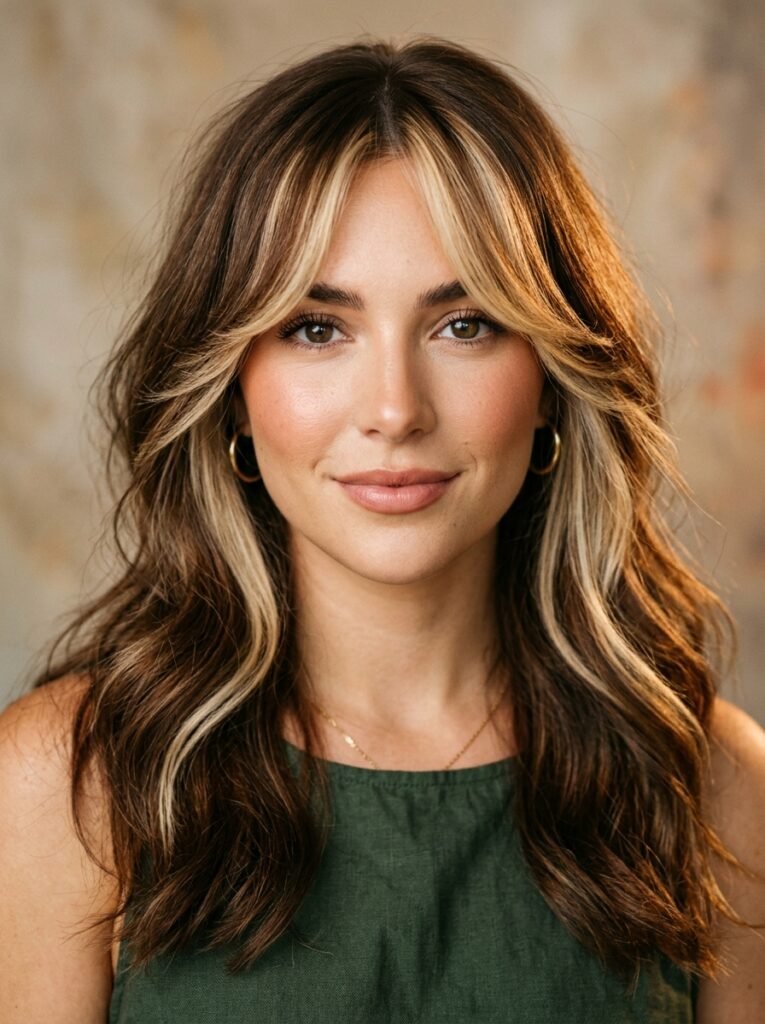
Colour placed within the bangs works differently than colour elsewhere. The bangs sit closest to the face. They move independently too. A lighter shade there reads immediately rather than blending in.
This is a smaller, more contained service than a full money piece across both temples. A colourist lightens just the bang section. That limits both cost and ongoing maintenance.
Bangs get trimmed more often than the rest of the hair. This colour needs touching up on a similar schedule. Discussing that rhythm before booking avoids any surprise later.
Finished With a Messy Bun

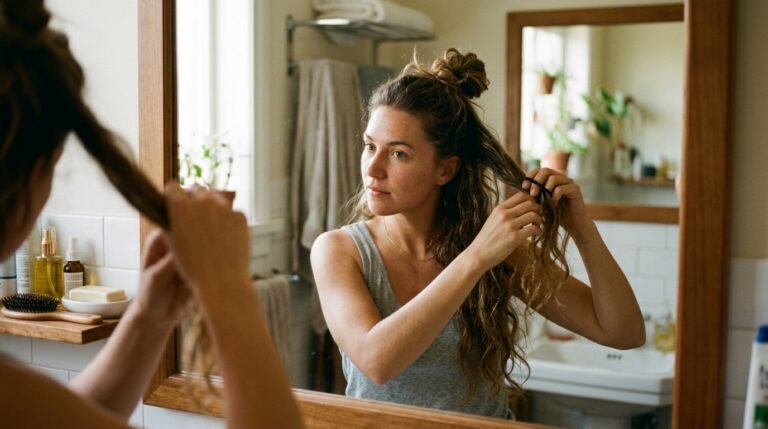
A messy bun alone can look unfinished. Curtain bangs often tip it from rushed into deliberate. They give the face a considered frame instead.
The bun itself takes almost no technique. Gather loosely and secure without much precision. The bangs carry more visual weight here than in any other pairing, so they are worth styling properly even when nothing else is.
This combination works on short notice better than almost anything else here. That is a large part of why it stays a go-to for rushed mornings.
Final Thoughts
Curtain bangs work across this whole range for one reason. They were never really about one specific look. They are a framing technique that adjusts to whatever else the hair is doing.
Bringing a clear sense of daily routine and hair type into the first consultation matters more than any reference photo. For more of the styling range beyond bangs, this guide to hairstyles for straight hair covers the rest.
Frequently Asked Questions
Do curtain bangs suit every face shape? Most face shapes suit some version. Length, thickness, and angle can all adjust to individual features. A skilled stylist tailors the cut to bone structure.
How long does growing them out take? Curtain bangs blend in faster than a blunt fringe, since they start longer. Most reach a blendable length within three to six months.
How often do curtain bangs need a trim? Every six to eight weeks keeps them shaped well. Left longer, they lose the sweep that gives them their signature look.
Can curly hair carry curtain bangs? Yes, and the result often looks softer than a straight version. Shrinkage is the main consideration a curl-experienced stylist needs to plan around.
What is the fastest way to style them at home? A round brush, rolled forward then swept outward while drying, takes under a minute with practice. On curly hair, product scrunched in and air-dried works just as well.