How to Try a New Hairstyle Without Cutting Your Hair
Wanting a fresh new look while feeling wary of committing to a cut that might be regretted is one of the most common hair dilemmas around. The good news: trying a new hairstyle without cutting a single strand is not just possible, it opens up some of the most creative territory in hairstyling. A hair transformation, in look and in feel, does not require scissors anywhere near the ends.
The secret lies in how much of a hairstyle’s impact actually comes from styling, colour, accessories, and technique rather than the cut itself. Many of the most striking looks seen on social media and in magazines are achievable on existing length with the right approach and tools. Twelve genuinely useful ways to try a new hairstyle without cutting hair follow below.
Change Your Parting Completely
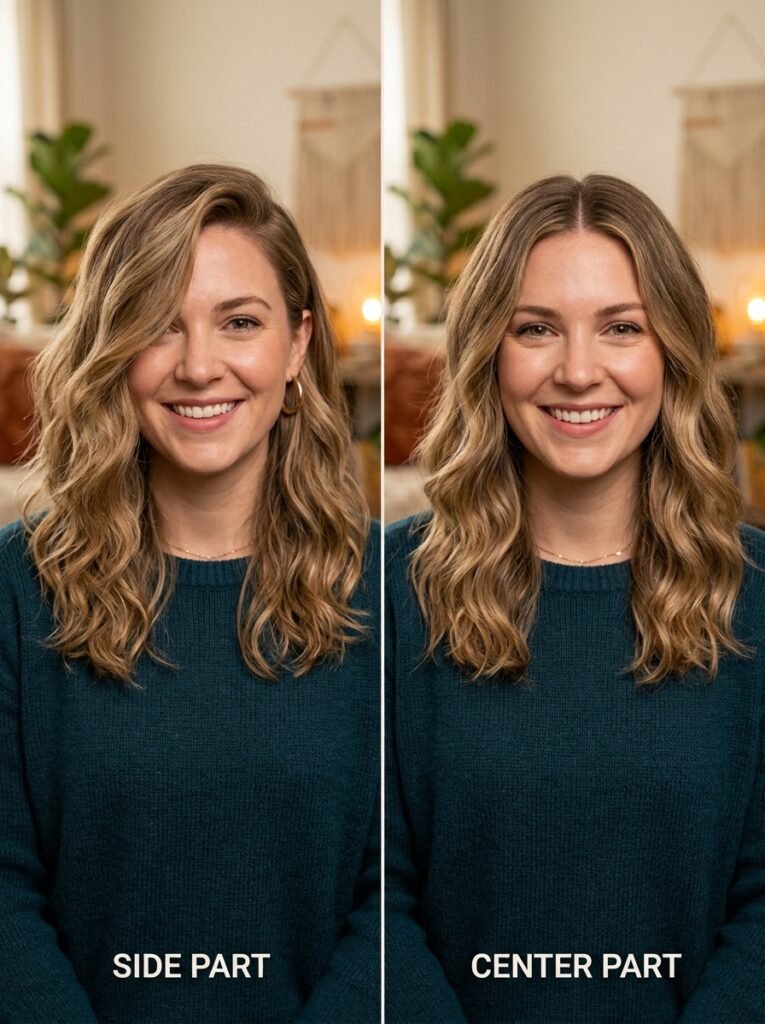
Moving a parting to a new position ranks among the simplest, most dramatically effective changes available. A lifelong side part switched to a clean centre part can shift the whole impression of a face in a strikingly positive way. The reverse works too — a deep side part on someone who has always worn a centre part adds volume, asymmetry, and a glamorous quality that transforms the silhouette instantly.
A parting change works because it alters the fundamental framing of the face. A centre part creates symmetry and a defined, polished appearance, while a deep side part builds volume on one side and a dramatic sweep across the forehead, adding a slightly retro glamour. Neither effect removes a strand of hair, and both take under thirty seconds to try.
Training hair into a new parting works best while it is still wet from the shower, redirected and left to dry in the new position. Hair trained into a previous parting for years may resist for the first couple of days, but persistence with a fine-tooth comb and a light-hold product usually settles it into the new direction within a week.
Experiment with Heat-Free Waves and Curls
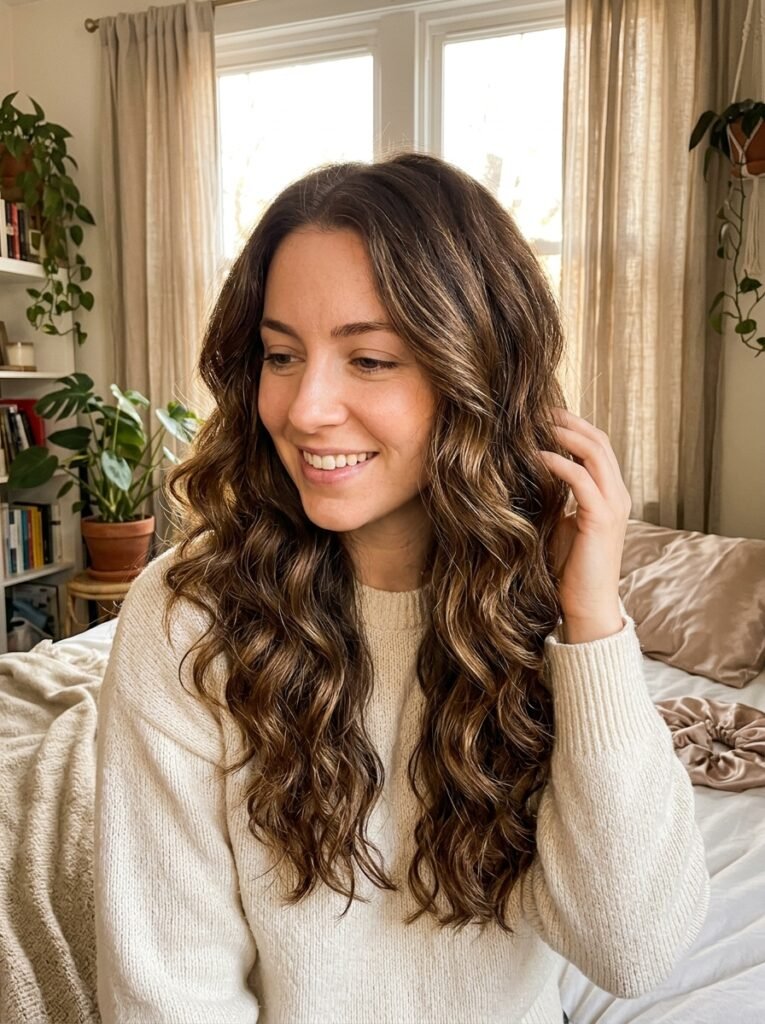
Heat-free texture is one of the gentler routes toward a new look, and the results hold up well against anything achieved with hot tools. Braiding damp hair before bed and releasing the braids in the morning produces natural-looking waves that transform straight hair into something else entirely. Smaller braids create tighter waves; larger braids create looser, more relaxed ones.
Twist-outs and braid-outs suit naturally wavy or curly hair especially well, enhancing and defining existing texture into something more intentional-looking. Curl cream on damp hair, twisted from root to tip and left to dry overnight, unravels in the morning with a little oil on the fingertips into defined waves that look far more effortful than they were.
Flexi rods, foam rollers, and perm rods round out the heat-free toolkit, creating waves and curls of different sizes on any hair type. Set on damp hair, left to dry fully, and removed with fingers and a light oil to separate the curls, these tools produce a polished style that can last several days with the right care.
Use Hair Extensions or Clip-Ins
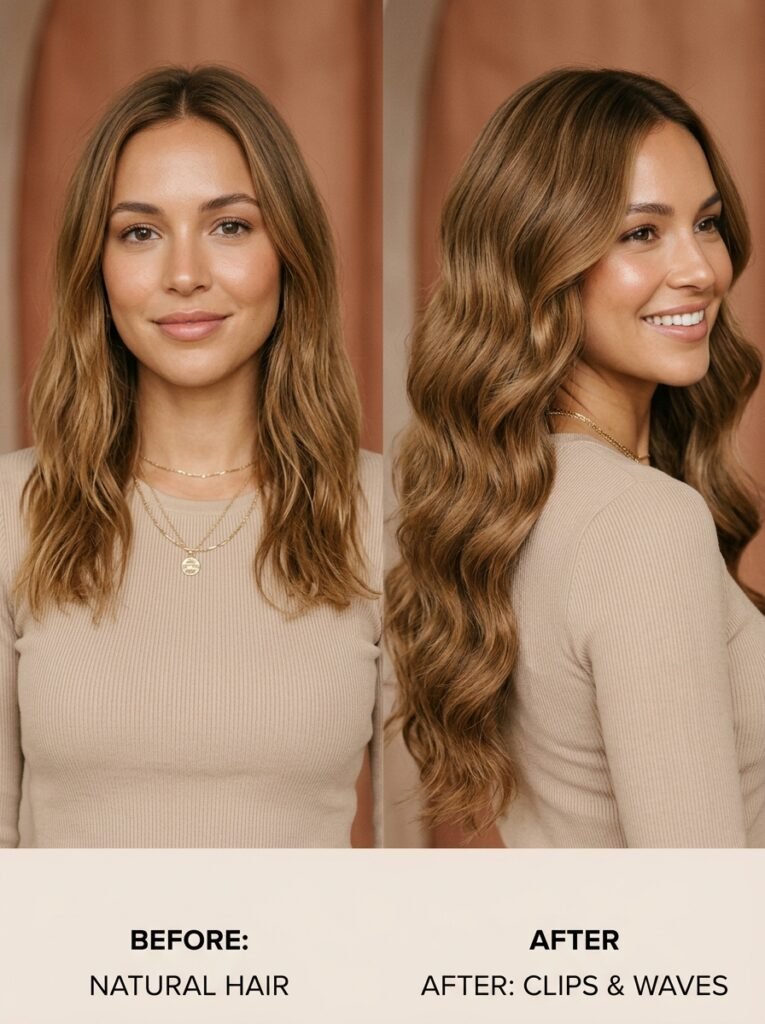
Extensions and clip-in pieces add length, volume, and even colour with zero permanence. Clip-ins in particular install easily at home, need no professional help, and remove at the end of the day, leaving natural hair untouched.
They open up possibilities that natural length alone cannot reach. Waist-length hair becomes testable before ever growing it out, added density mimics a fuller head of hair, and longer versions of styles like mermaid waves or flowing braids become visible before any real commitment. Quality sets, matched and blended correctly, look indistinguishable from natural hair.
Halo extensions, which sit on a thin wire across the top of the head with natural hair falling over it, offer length and volume without the fiddliness of individual wefts. No clips or bonds are needed, and the method stays gentle enough for regular wear without damage concerns.
Try a Bold New Hair Color
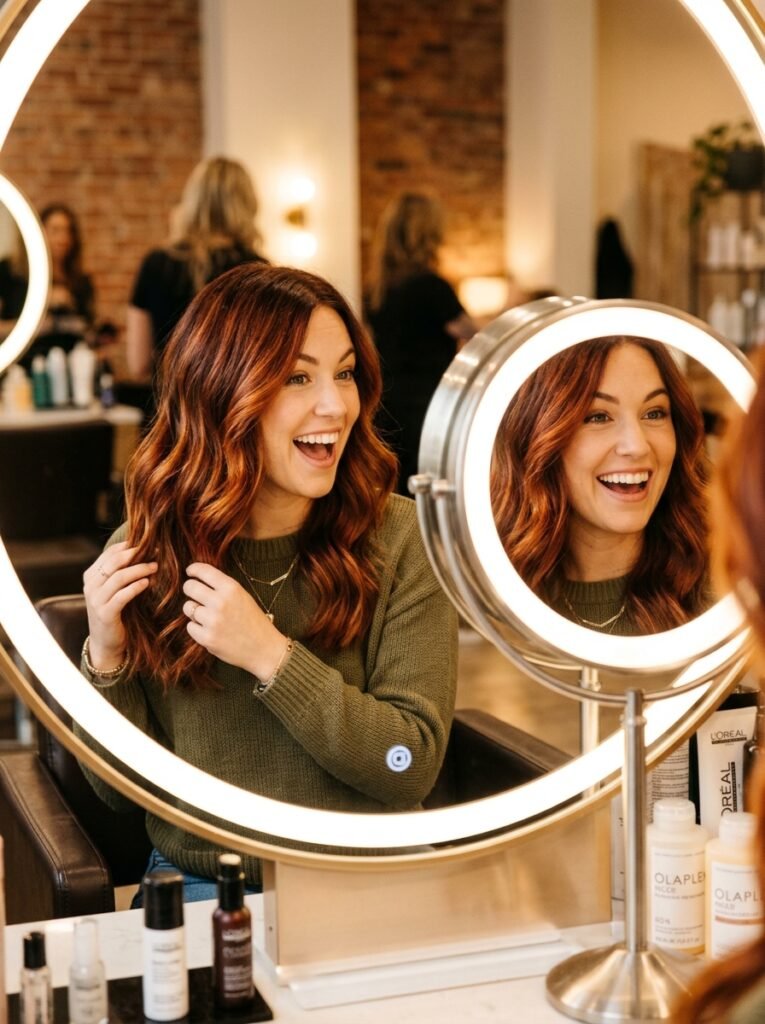
Colour shifts a look overnight without touching the cut at all. A rich, warm brunette on previously lighter hair, a vibrant balayage adding movement, or a bold money piece framing the face can each create a transformation striking enough that friends do a double take on first sight.
Temporary colour options have improved considerably, offering an even lower-commitment way to test a direction. Wash-out sprays, temporary chalk, colour-depositing conditioners, and semi-permanent rinses that fade over several washes all allow a trial run — a useful way to check whether warm auburn or bold copper suits a given skin tone before the full salon investment.
For anyone not ready to colour natural hair at all, high-quality coloured clip-ins or a coloured hairpiece deliver the same visual impact with zero effect on natural strands. A few clips of vivid pink or electric blue woven in creates a fashion-forward accent that comes off again by evening.
Master the Art of Accessorizing
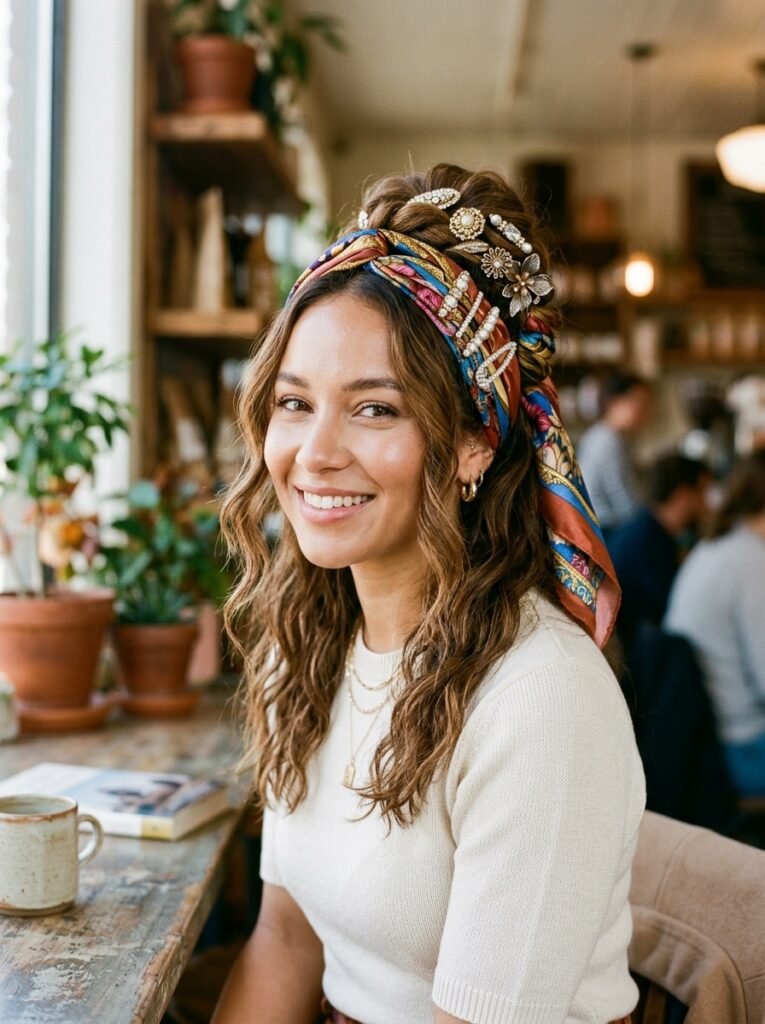
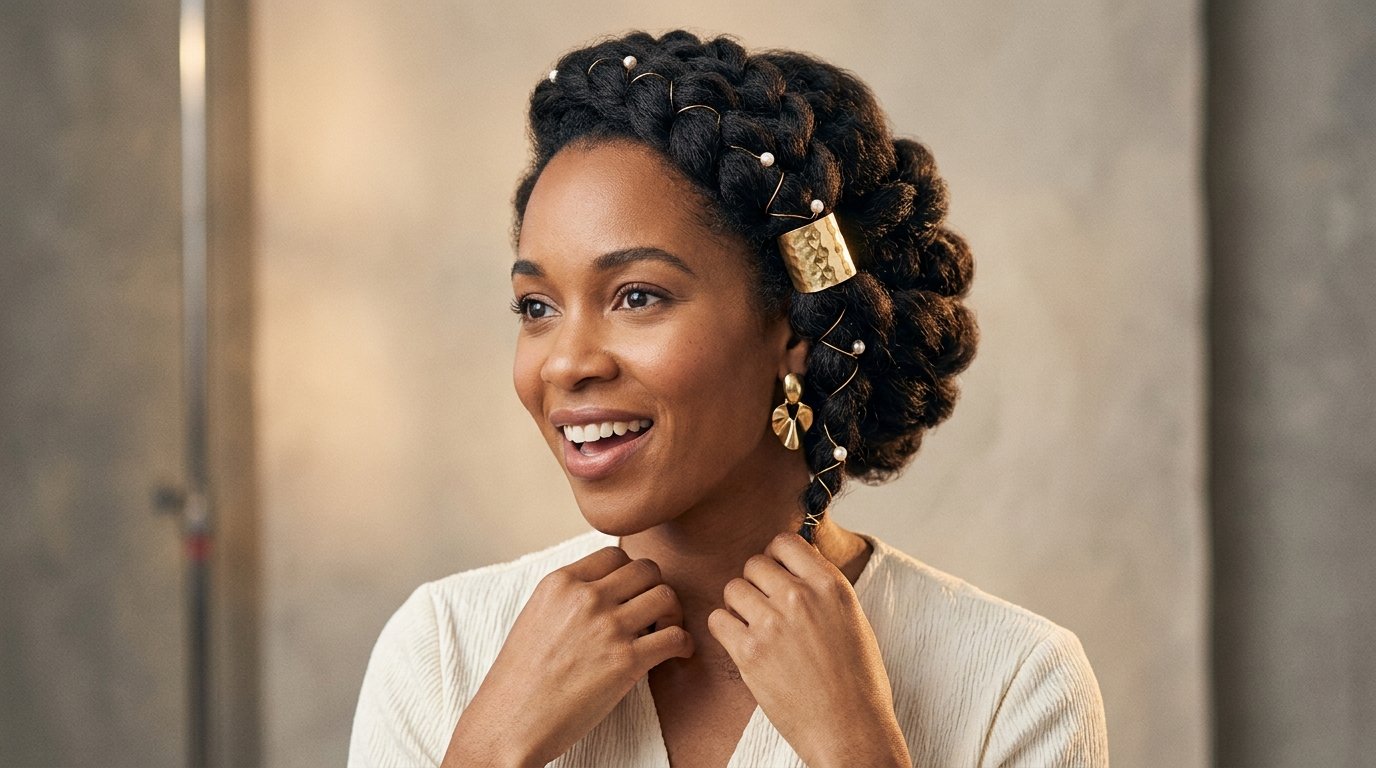
Hair accessories have grown into a genuinely sophisticated styling tool, with more variety available now than at almost any earlier point in hairstyling history. A statement clip, a silk scarf, an embellished headband, or a careful scattering of decorative pins can shift the whole personality of a hairstyle instantly and reversibly.
Silk scarves stand out for sheer versatility. Tied as a headband for a retro look, wrapped around a ponytail for polish, twisted into a half-up style, or draped loosely with the ends flowing for a bohemian effect, one scarf covers several entirely different looks without touching the hair permanently.
Embellished headbands, pearl clips, tortoiseshell claws, and jewelled bobby pins are all having a moment, each offering an instant upgrade with no skill or commitment required. A thoughtful collection in colours that suit a personal aesthetic keeps new hairstyle ideas coming for a fraction of a salon appointment’s cost.
Create the Illusion of Bangs

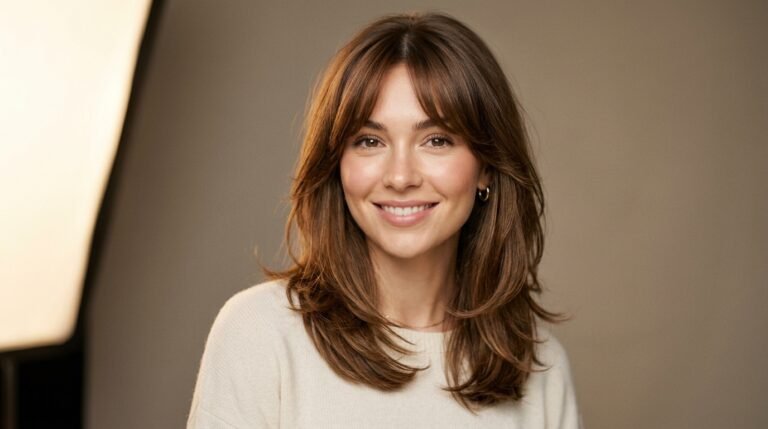
Curiosity about bangs does not require cutting them. A section from the top swept forward over the forehead, with the rest of the hair pinned back, creates a convincing faux fringe with the right placement and a little styling.
The faux curtain bang version works especially well since curtain bangs already run longer and blend gradually into the rest of the hair. Two sections from either side of a centre part, styled forward with curl cream or a round brush to curve gently beside the eyes, reads as nearly indistinguishable from the real thing in photos and at conversational distance.
Clip-in fringe pieces offer another no-commitment option, available in colours and styles from blunt to wispy to curtain-style, clipping in nearly invisibly. Many who eventually cut real bangs describe the clip-in version as the practice run that built their confidence first.
Explore New Updos and Pinned Styles
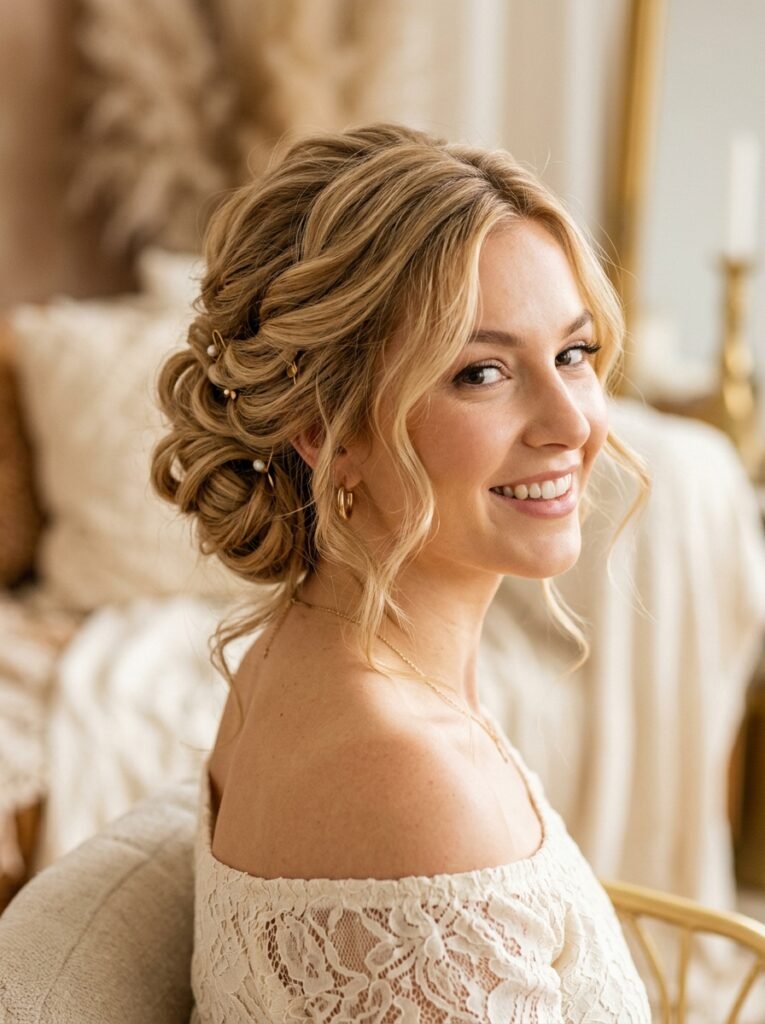
Updo and pinned-style variation offers a surprising range from a single length of hair. A sleek ballerina bun carries a different personality than a loose chignon, and both differ again from a braided updo or a sculptural twist — each shape entirely reworks the silhouette from exactly the same starting hair.
The half-up half-down family alone holds enough variation to explore for months. High half-up buns, low twisted half-ups, braided versions, knotted half-ups with tucked ends, and a ribbon-tied coquette half-up all need nothing more than existing hair, a tie or clip, and a few minutes — more ideas for building out a home routine sit in this guide to easy long hairstyles to try at home.
Learning a few new updo techniques through tutorials pays off for years, since each new skill unlocks looks that were previously out of reach. French rolls, rope braids, twisted crowns, and knotted buns all look impressive yet come together with practice, giving long or medium hair a new identity on demand.
Volumize and Transform Your Roots
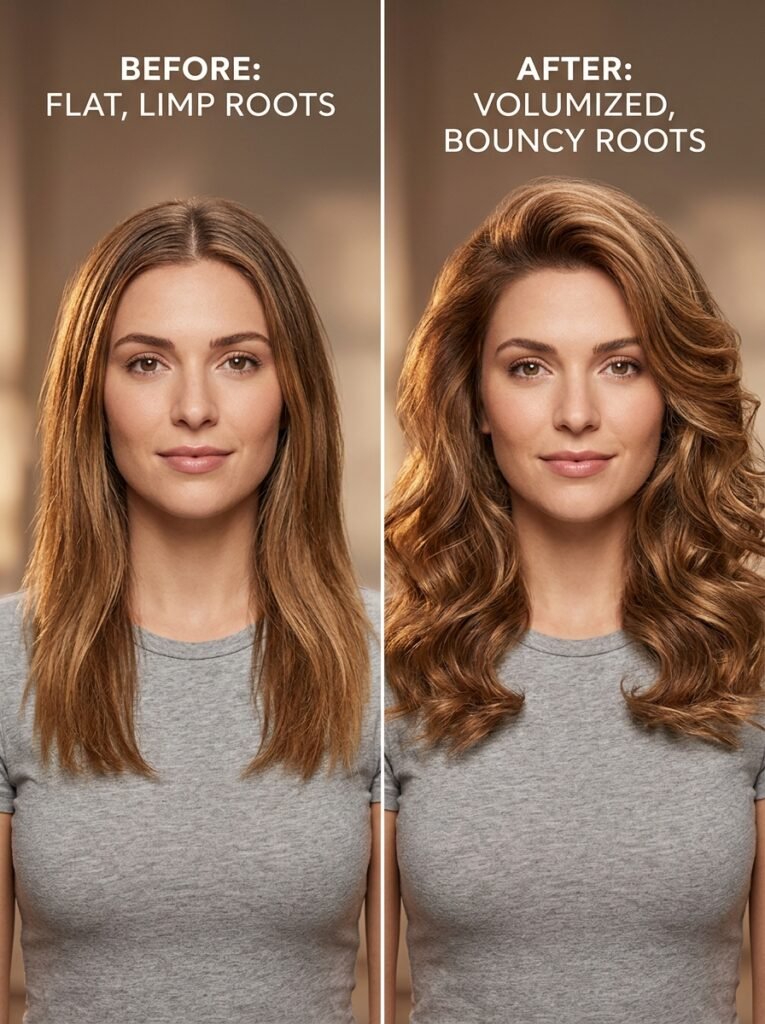
Root volume shapes the entire silhouette of a hairstyle more than most people realise. Backcombing or teasing at the crown builds significant lift, shifting hair from flat and close to the head into something fuller and considerably more dramatic.
A good volumizing mousse applied to wet roots before blow-drying builds lasting lift without needing to backcomb at all. Applied at the roots and dried upside down, it creates fullness at the crown that reads noticeably more luxurious than air-dried flat hair — the same technique that gives fuller shapes their bounce, as covered in this guide to long hairstyles for thick hair. The same haircut can look like two different styles depending on whether this step happens.
Root-lifting sprays, volumising powders, and strong-lift dry shampoos handle the job on dry or second-day hair when a full wash isn’t practical. A spritz at the crown, a lift and scrunch with the fingers, and a quick blast of heat builds instant volume in under two minutes.
Try Heatless Styling Tools
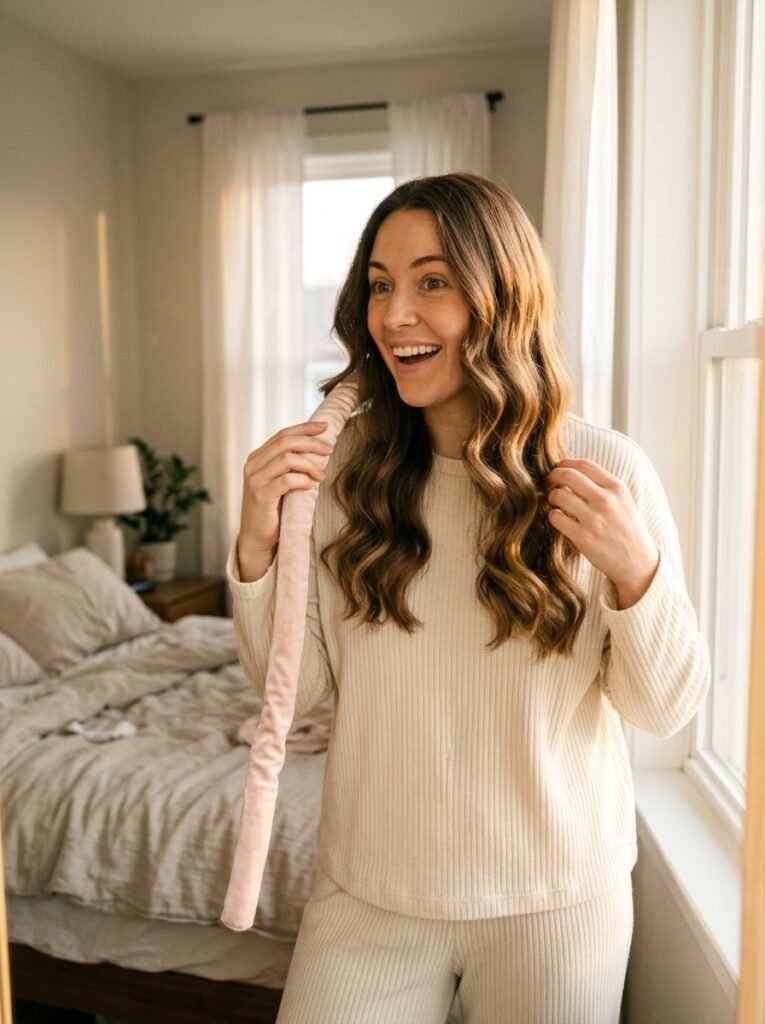
Heatless styling tools have expanded considerably in recent years, with results that older versions of the same idea rarely matched. The heatless curling rod — damp hair wrapped around a long soft rod and left overnight — has become a widely used tool for good reason, producing soft, consistent waves through a genuinely simple process.
Silk wrap methods, where damp hair wraps flat around the head and secures overnight, build a smooth, bouncy blowout effect on hair that would otherwise dry wavy or frizzy. Originally developed to give relaxed hair a flat-ironed look without repeated heat exposure, the technique later carried over to natural hair styling as a way to smooth curls without heat tools. The results read polished with nothing more than a silk scarf and a few bobby pins involved.
Magnetic rollers, velcro rollers, and curveball curlers round out the heatless options, each producing a different type of volume or curl. Set on slightly damp hair and left to dry naturally, they range from gentle root lift to fully defined bouncy curls depending on the tool chosen.
Experiment with Different Braid Styles
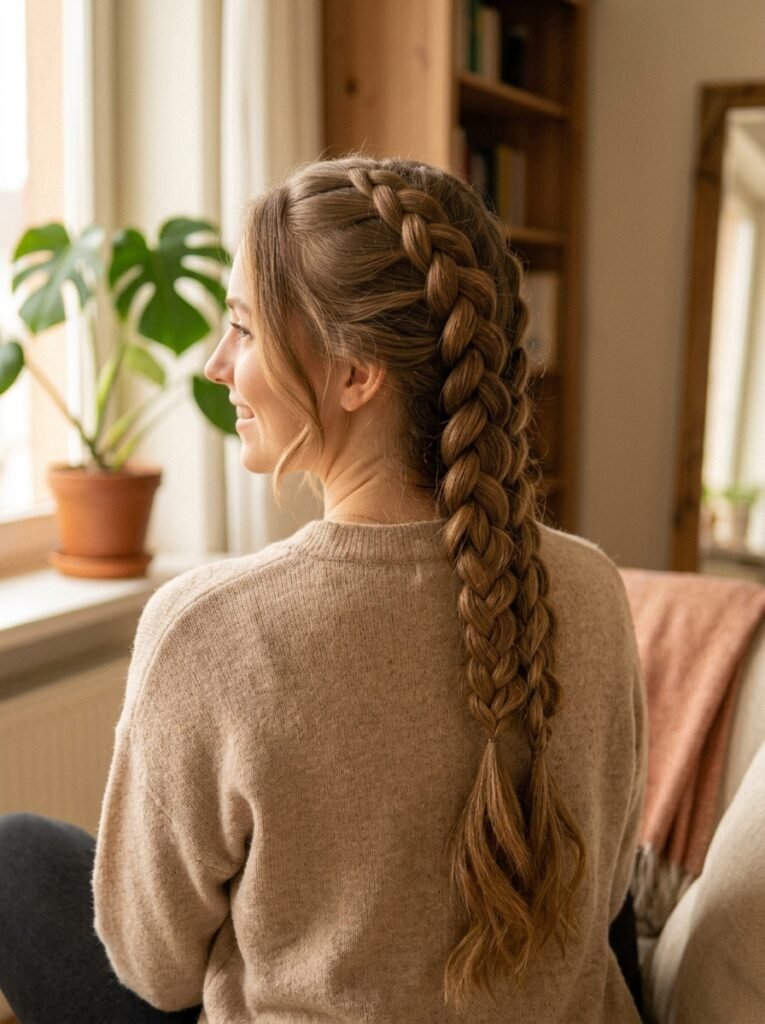
Braiding ranks among the oldest hairstyling arts, with a nearly limitless range of looks achievable without ever touching the length. A handful of techniques opens up a new world of styling that keeps hair looking fresh day to day with nothing permanent involved.
The Dutch braid — essentially a French braid worked in reverse, so the stitches sit on top rather than underneath — creates a raised, three-dimensional look that appears far more complex than it is to execute. A single centred braid down the back reads one way; two braids on either side read younger and more playful. Both come from identical technique on identical hair.
Fishtail braids, rope braids, waterfall braids, and ladder braids round out the techniques worth learning, each producing a distinct visual result on the same length of hair. Time invested here pays off for years, since each new skill adds another option to the morning routine.
Style with a Diffuser for Maximum Texture
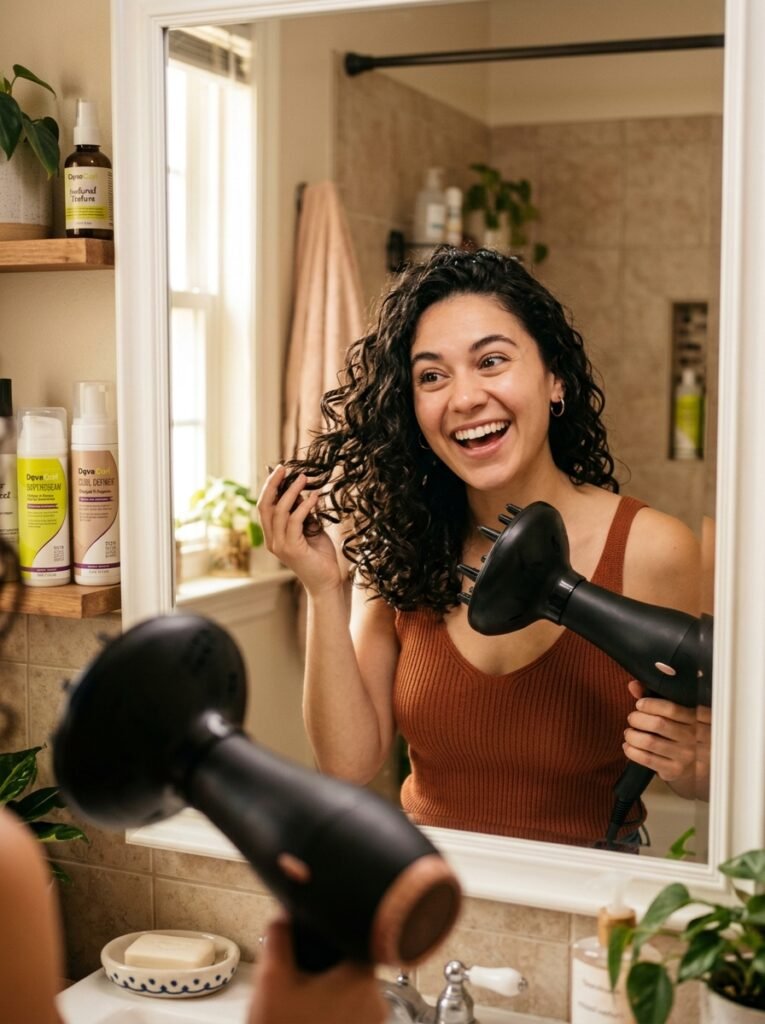
Naturally wavy or curly hair typically worn straight or in a simple ponytail often hides a texture that has never been properly diffused. The difference between air-dried-flat waves and properly diffused ones can be dramatic enough that the same person looks noticeably different.
A diffuser spreads airflow gently over a wide area so the natural curl or wave pattern dries without being disturbed by direct blasts of air. Good results depend on applying styling product to soaking wet hair first, keeping the heat on low to medium, and placing sections gently into the diffuser bowl rather than moving the tool aggressively through the hair. Patience and a gentle hand matter more than any product choice.
Discovering what natural texture actually looks like when properly supported can reveal a style that had been suppressed all along. Many describe the moment as genuinely eye-opening, and the best part is that it requires no permanent change to the hair at all.
Play with High and Low Ponytail Positions
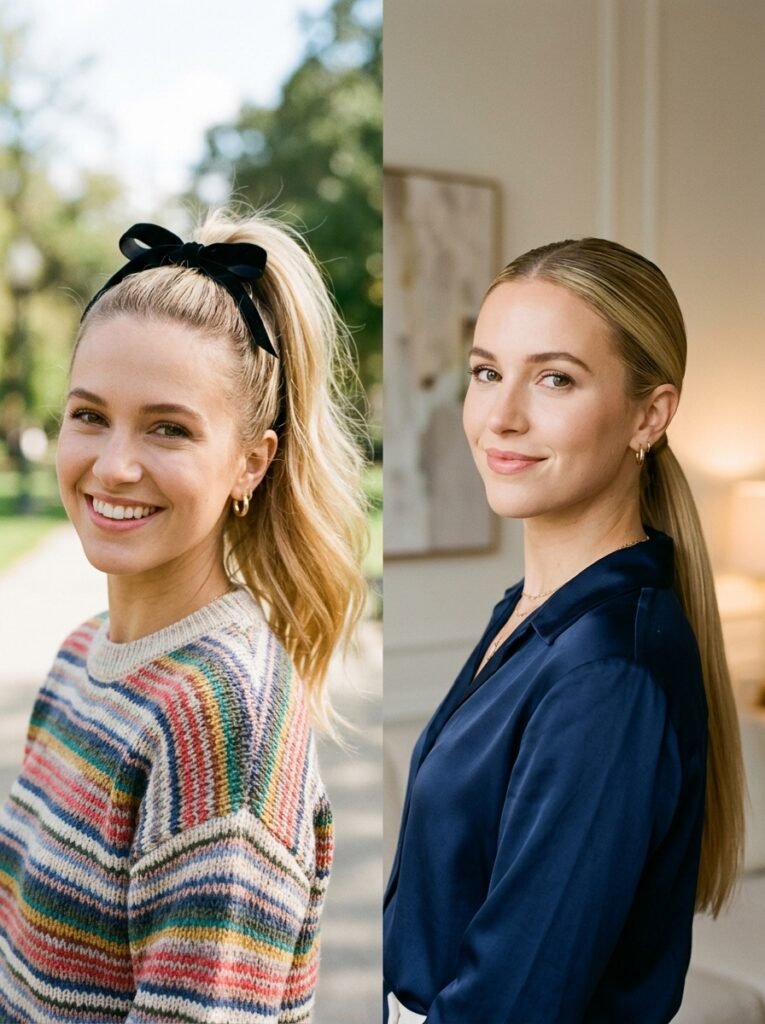
The ponytail is so familiar it is easy to forget how much placement alone changes its impact. Moving it to a new position ranks among the simplest, most instantly effective changes on this list, with a surprising range of distinct looks available through placement alone.
A very high ponytail at the crown reads youthful and energetic, distinct from a mid-height version at the back, which differs again from a sleek low ponytail at the nape or a side ponytail over one shoulder. Each position frames the face differently and shifts the whole impression, despite nothing changing but the location of the elastic.
A wrapped section around the elastic, a scrunchie, a ribbon, or a decorative cuff elevates any of these positions from functional to genuinely stylish in under a minute. These small finishing touches are what turn a basic ponytail into something that reads as deliberate rather than merely practical.
Final Thoughts
Trying a new hairstyle without cutting hair is not a consolation prize for anyone too nervous to commit to a cut. It is a genuinely creative approach that opens up a wide range of possibilities and reveals what actually suits a person before any permanent decision gets made. Some of the most striking looks available right now need no scissors at all.
Freedom to experiment with existing hair reveals just how much creative potential sits untapped. Every new technique tried teaches something about the hair and the aesthetic behind it — knowledge worth having whether it eventually leads to a salon chair or simply builds appreciation for the hair already there.