
Protective hairstyles for natural hair keep the strands healthy while the look stays sharp. They lock in moisture and hand the hair a break from constant styling. Practicality and beauty rarely sit together this comfortably.
The ten options below run from easygoing to bold, so most preferences find a match. Some take hours to install, while others come together fast. Every one of them protects the natural hair underneath.
Why Protective Styles Matter
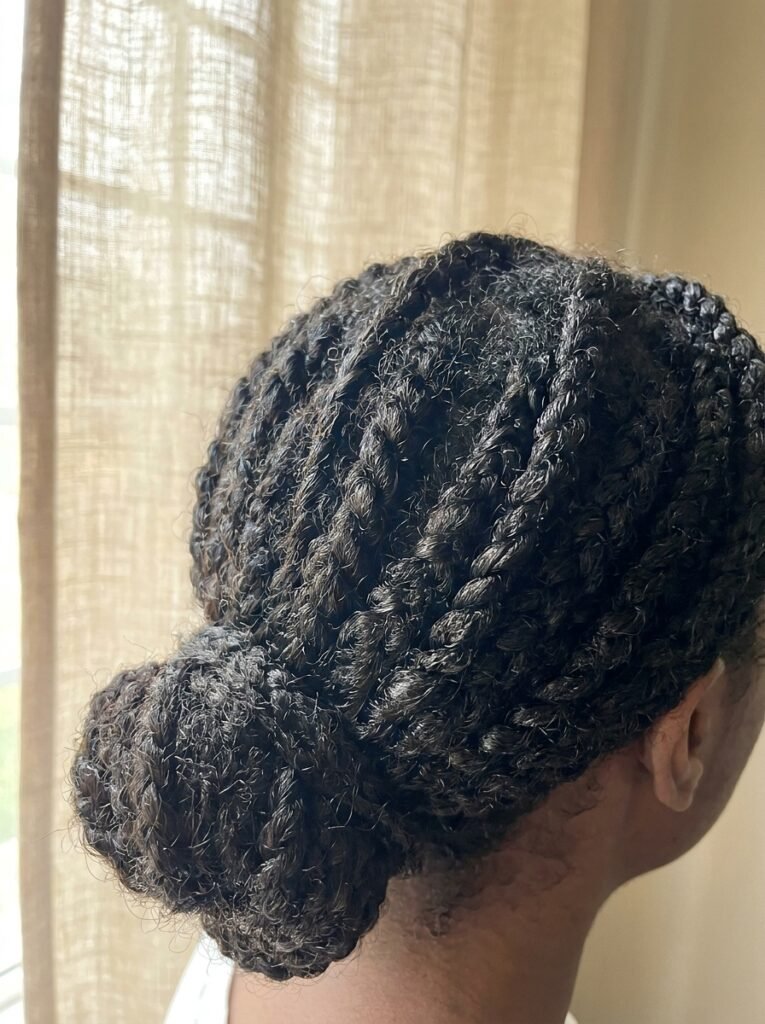
A quick word on the value of these styles comes first. Protective styles tuck the ends away and cut down on daily handling. Less handling means less breakage over time.
Moisture is the other benefit. Natural hair dries out quickly, and dryness leads to breakage. Tucking the strands away seals in hydration and supports steady growth.
Time savings round out the appeal. A single style can hold for days or even weeks, so busy mornings get easier. That convenience keeps protective looks popular across natural textures, a point this guide to natural hairstyles for Black girls echoes.
Box Braids
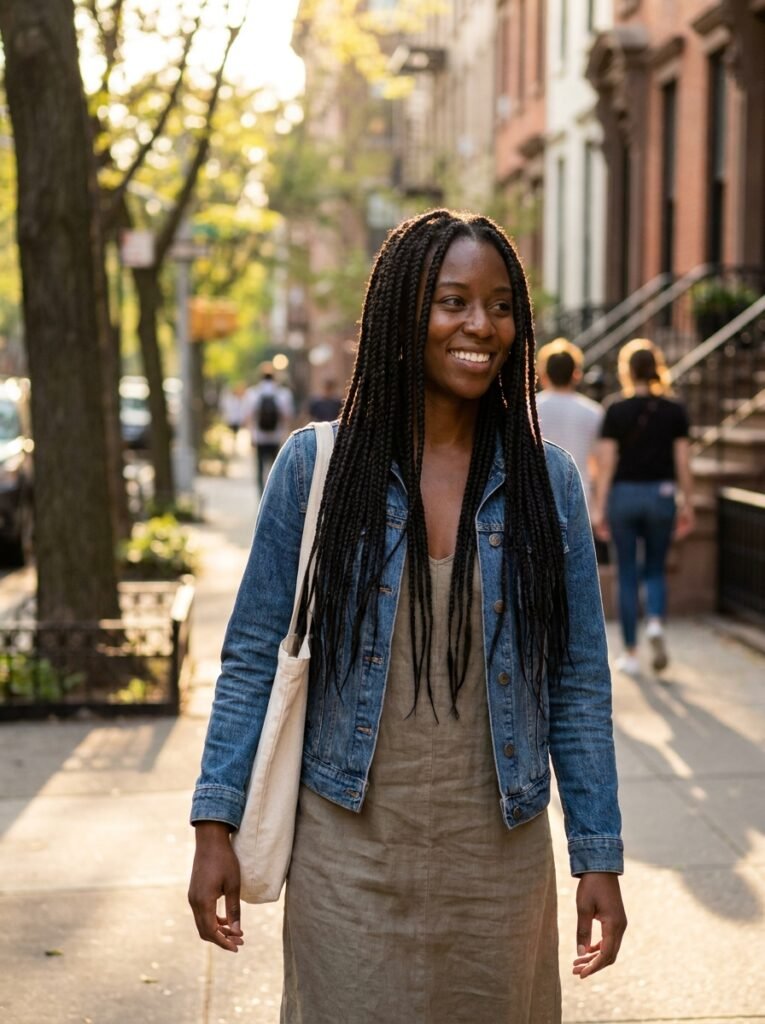
Box braids top many lists of protective styles, and for good reason. They last for weeks, suit almost any length, and never look dated. The name comes from the neat square sections that anchor each braid.
Versatility is the real draw. Long or short, thick or thin, the braids adapt to personal taste. After installation, they gather into a bun, a ponytail, or a simple down style just as easily.
Cornrows
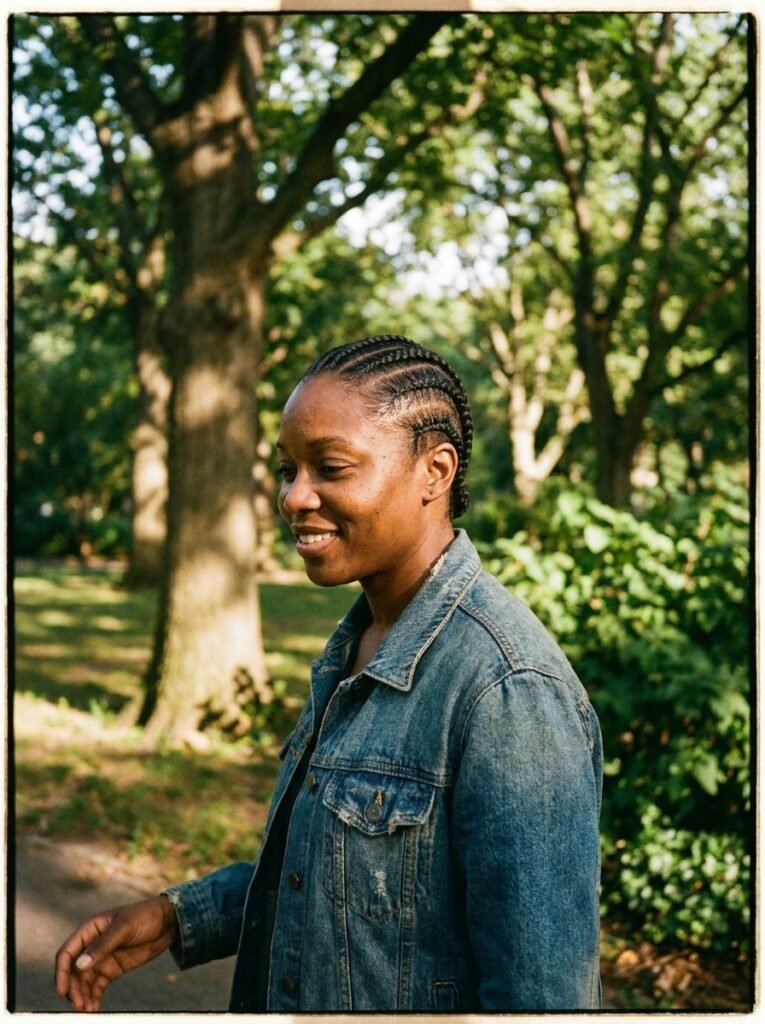
Cornrows have stayed in style for generations. The braids sit flat against the scalp in tidy rows. They keep the hair secure, neat, and out of the way.
Upkeep stays minimal once the rows are in place. They hold for weeks with little fuss, which suits active routines. Workouts and long weeks rarely disturb them.
Pattern is where cornrows get expressive. Straight-back rows, curved shapes, and intricate geometric designs all work. The style protects the hair and shows off personal taste at the same time.
Two Strand Twists

Two-strand twists offer a gentle, low-effort option that works at home. The method winds two sections of hair together from root to tip. Simple as it sounds, it protects the strands well.
Twists also go easy on the scalp. They place less tension on the edges than tighter styles, so comfort stays high. Undoing them reveals a soft twist-out, which means one style quietly delivers two looks.
Faux Locs

Faux locs deliver the look of real locs without the lifetime commitment. Added hair wraps around each natural strand to mimic the shape. The result reads as authentic, but it lifts out whenever the mood shifts.
Underneath, the natural hair rests out of harm’s way. The locs shield the strands from daily styling and manipulation. That break gives fragile hair room to recover.
Choice is generous here too. Faux locs come in many lengths, colours, and thicknesses. A natural finish or a bold, dramatic one both sit within reach.
Bantu Knots
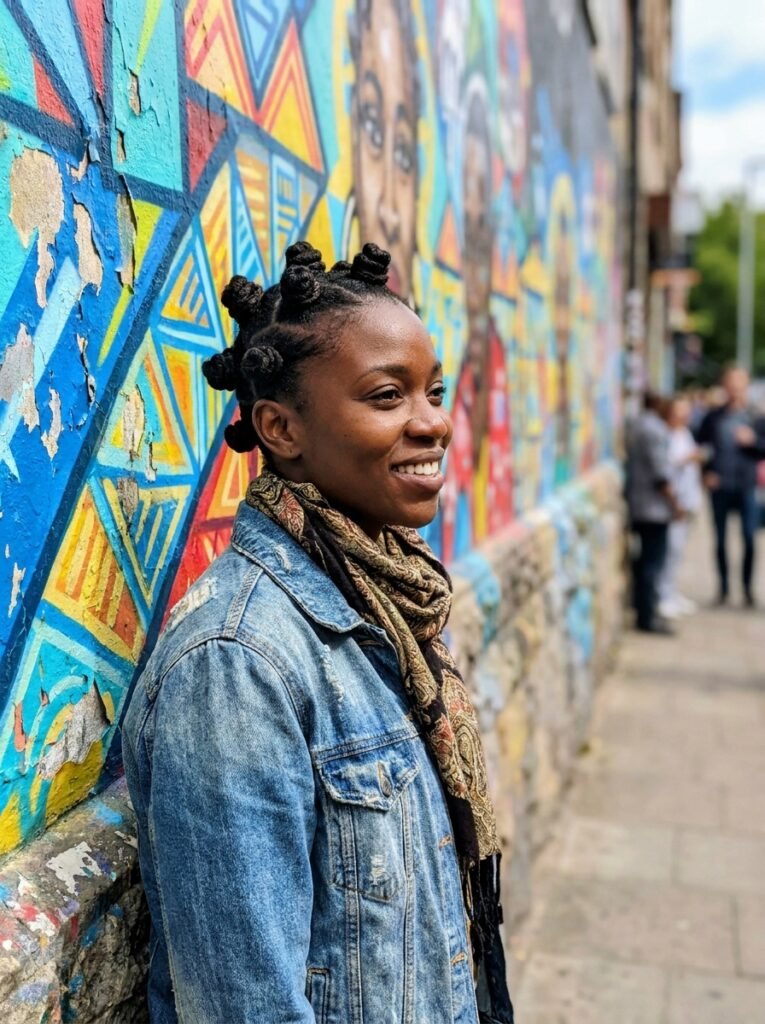
Bantu knots carry deep cultural roots and a bold, sculptural look. The technique sections the hair, twists each part, and coils it into a small knot. On their own, the knots make a striking statement.
They protect the hair for days while they stay in. Unravelling them brings a second reward — bouncy, defined curls, or a Bantu knot-out. So the style pairs protection with a built-in encore.
Crochet Braids

Crochet braids suit beginners and busy schedules alike. The method crochets pre-made hair onto cornrowed natural hair. A full, finished look comes together in a fraction of the usual time.
Versatility comes standard. Curly, straight, or braided pre-made hair all crochet in, so the look changes on a whim. Frequent switch-ups cost little time or effort.
Protection carries on underneath. The cornrows keep the natural hair tucked, while the added length and volume take the spotlight. Low effort and high payoff make this a favourite.
Twist Outs

Twist-outs blur the line between a protective style and a finished look. The hair twists, sets, then unravels into defined, springy curls. Texture like that arrives without harsh tension on the scalp.
Gentle handling is the appeal. The style needs little manipulation and no tight pulling, which protects delicate strands. The curls hold for several days with a silk scarf at night. They also pair well with the looks in this roundup of curly hairstyles.
Halo Braid
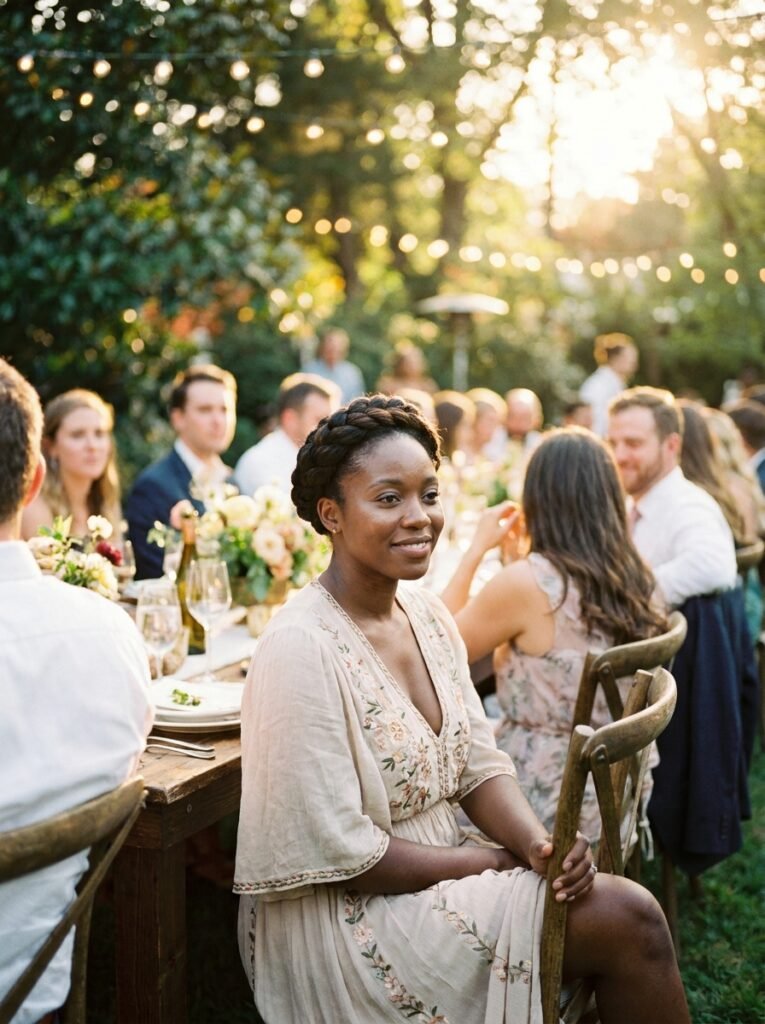
The halo braid wraps around the head like a crown, elegant and a little romantic. It tucks the ends away while it circles the hairline. The effect looks polished enough for an event, yet easy enough for a Tuesday.
Everyday wear suits it as well as special occasions. The braid holds the hair secure and lifts it off the neck. Practical and pretty rarely overlap this neatly.
Ends benefit most from this one. They are the most fragile part of the hair, and the braid tucks them safely inside. Less exposure there means less breakage overall.
Flat Twists
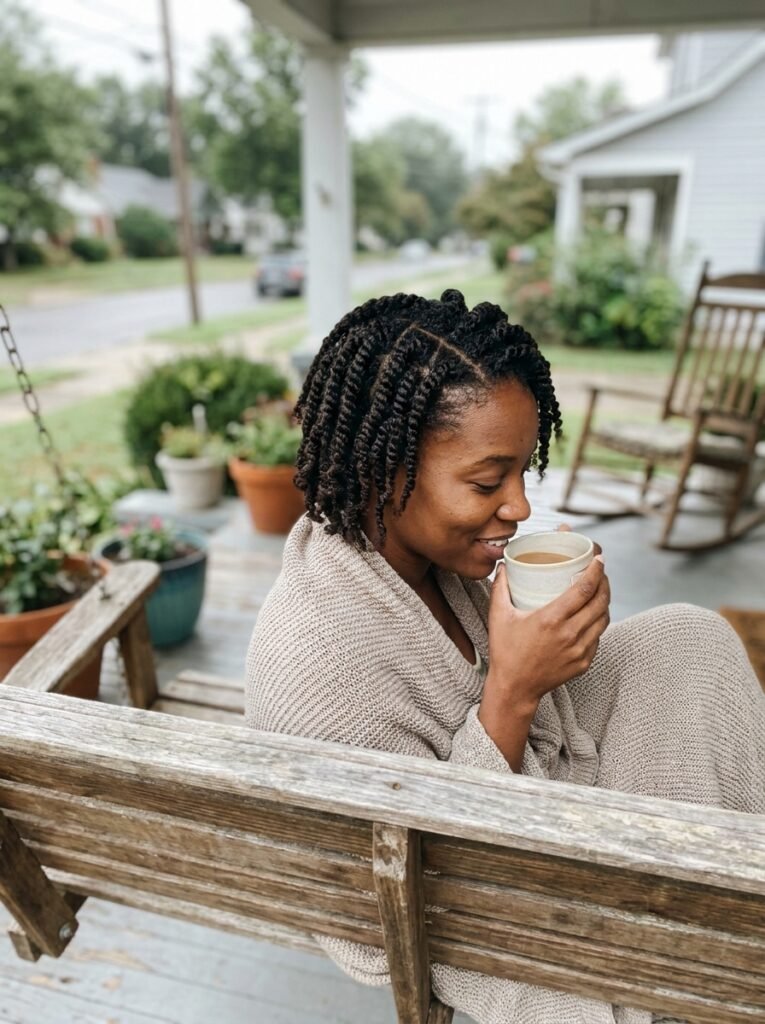
Flat twists resemble cornrows but rely on twisting rather than braiding. They lie flat against the scalp in neat rows. The technique protects the hair and styles it in one pass.
Comfort sets this style apart. It creates less tension than tighter braids, so sensitive scalps and edges fare better. Taking the twists down leaves soft, defined waves, which turns one style into two.
Wigs Over Braided Hair

Wigs rank among the most flexible protective options for natural hair. Braided-down hair sits underneath, and the wig goes on top. The real hair sits tucked out of sight.
Flexibility is the headline feature. A wig switches the style, colour, or length on any given day. Meanwhile, the natural hair rests and grows underneath.
A wig also spares the hair from styling and heat entirely. The braids underneath still need attention, though. Regular moisture and a clean scalp keep the natural hair healthy.
Final Thoughts
Taken together, these ten styles show how far protective hairstyles for natural hair can stretch. They rest the strands and still look sharp, which serves both hair health and everyday style. Few approaches manage both so well.
Comfort should guide the choice, though. Styles pulled too tight strain the edges and scalp, and that tension can cause lasting damage over time. Researchers at Johns Hopkins link tight braids, cornrows, and weaves to a form of hair loss called traction alopecia. A looser install beats a longer-lasting but painful one.
Care continues while the style stays in. A clean scalp, regular moisture, and a sensible timeline all matter. Left in too long, even a gentle style starts to work against the hair.