
How to fix frizzy hair: what causes it and what actually helps
Frizzy hair is one of the most common hair complaints, and it can show up on any hair type, from pin-straight to tightly coiled. The good news is that frizz is mostly about moisture and how you handle your hair, which means you have real control over it. This guide explains what actually causes frizz, then walks through simple ways to smooth it: how to wash, dry, condition and style so your hair stays calmer, even in humidity.
Frizzy hair happens when the outer layer of each strand, the cuticle, lifts and lets in moisture, which is common with dry, damaged or humidity-exposed hair. To fix it, add moisture with a hydrating conditioner and a leave-in, dry your hair gently, protect it from heat and avoid over-washing and rough brushing.

What causes frizzy hair?
Frizzy hair is caused mainly by a mix of dryness, humidity and damage, all of which affect the outer layer of your hair. That outer layer, called the cuticle, is made of tiny overlapping scales that lie flat when hair is healthy and smooth. When the cuticle lifts or gets rough, moisture from the air slips inside and makes the strand swell, so hairs no longer lie together neatly. The result is the fuzzy, uneven texture we call frizz.
Each cause feeds the same problem in a slightly different way. Dry hair frizzes because it is thirsty and pulls moisture from the air. Humid weather adds a lot of moisture for that thirsty hair to grab, which is why frizz spikes in summer or rain. Damage from heat, coloring or chemical treatments roughens and lifts the cuticle, so hair absorbs moisture unevenly and swells in patches. Naturally curly and wavy hair is also more frizz-prone, partly because the scalp’s natural oils have a harder time traveling down a bent strand.
Frizz and flyaways are not the same thing
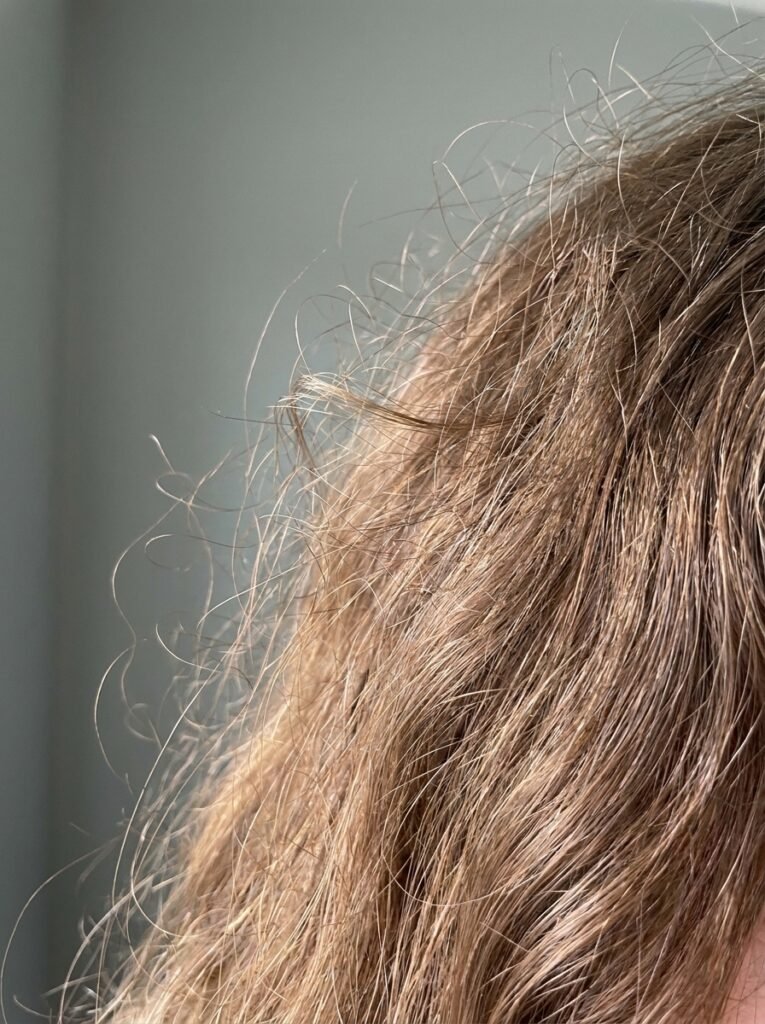
Frizz and flyaways look similar but come from different causes, and knowing the difference helps you treat each one. Fuzzy texture across the hair, usually from dryness, humidity or a lifted cuticle. Flyaways are individual short hairs that stick out on their own, often from breakage, new growth or static electricity. Frizz responds to moisture and cuticle-smoothing products, while flyaways are calmed with a touch of oil, a smoothing balm or by clearing product buildup with a clarifying wash.
How do you fix frizzy hair?
Fixing frizzy hair comes down to three things: adding moisture, sealing the cuticle and handling your hair gently. Moisture keeps hair from grabbing water out of the air, sealing the cuticle keeps that moisture in and gentle handling stops new damage that would make frizz worse. Almost every tip in this guide is one of those three ideas in practice.
You do not need a cabinet of products to do this. A hydrating conditioner, a leave-in, a light oil and a gentler routine cover most of it. If you want a full foundation to build on, our guide to a simple hair care routine walks through washing, conditioning and heat protection for every hair type, and frizz control fits right on top of it.
The best way to wash and dry frizzy hair
Washing and drying frizzy hair gently is one of the biggest changes you can make, since rough handling lifts the cuticle and harsh drying pulls out moisture. Start in the shower. Use a gentle, hydrating shampoo, concentrate it on your scalp and let the suds rinse down the lengths on their own instead of scrubbing them. Then follow with a hydrating conditioner, which the American Academy of Dermatology notes helps moisturize and detangle hair, focusing it on the mid-lengths and ends.
Drying matters just as much. Skip the rough towel rubbing, which roughs up the cuticle and creates frizz and flyaways. Instead, gently squeeze out water and blot with a soft microfiber towel or an old cotton t-shirt. Let your hair air dry partway before any heat, and if you blow dry, use a lower setting. Finishing with a shot of cool air can help the cuticle lie flatter and leave hair looking smoother.
Leave-in products that smooth frizz
The products that smooth frizz best are the ones that add and seal in moisture: a leave-in conditioner, a smoothing cream and a light oil. A leave-in is the workhorse here. According to the American Academy of Dermatology, a leave-in conditioner can diminish frizz, static and flyaways, make hair smoother and shinier and help with detangling, and some formulas add heat protection too.
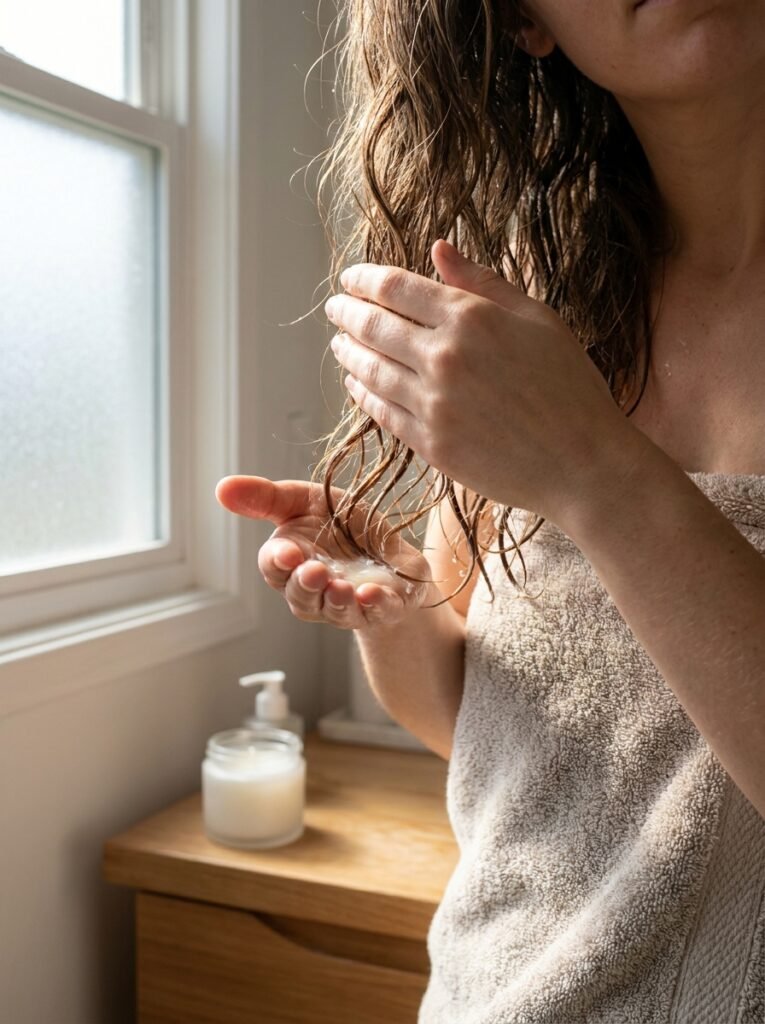
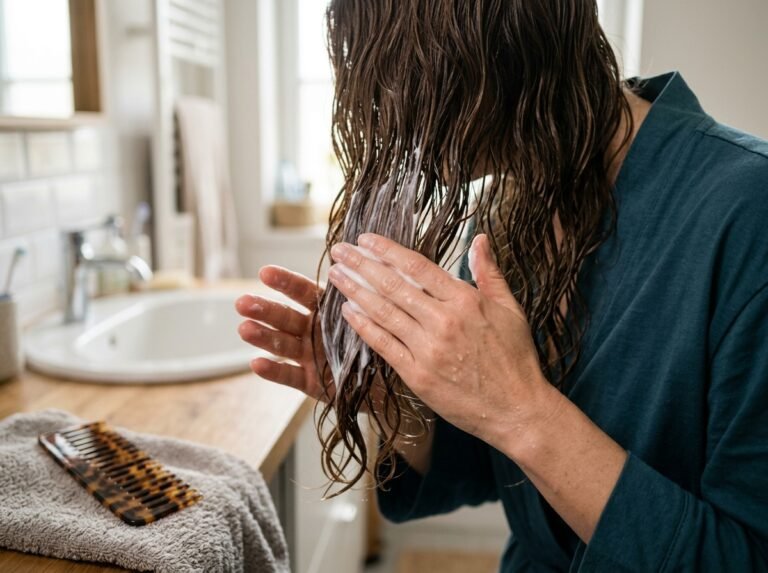
Layering is simple. On damp hair, apply a leave-in conditioner or a smoothing cream from mid-length to ends, then, if your hair still feels dry or frizzy, smooth a small amount of a light oil like argan over the ends to seal everything in. Start with less than you think you need, since too much product can weigh hair down or leave it greasy. Fine hair usually wants a light leave-in and just a drop of oil, while thick, curly or coarse hair can handle richer creams.
How to stop frizz in humidity
To stop frizz in humidity, seal your hair with anti-humidity or smoothing products so it cannot absorb moisture from the air, and avoid touching it too much. Humidity is one of the most common frizz triggers because dry or porous hair soaks up the extra moisture and swells. A leave-in, a smoothing cream or an anti-humidity styler creates a light barrier that helps keep that moisture out and your style in.
A few habits help on muggy days. Make sure your hair is fully dry before you head outside, since damp hair keeps absorbing moisture. Resist running your hands through your hair, which lifts the cuticle and spreads frizz. Choose styles that hold, like a smooth low bun, a braid or a slicked-back look, so your hair is not fighting the weather all day. On the worst days, working with your natural texture usually beats forcing a sleek style that will puff up anyway.
How to style frizzy hair without making it worse
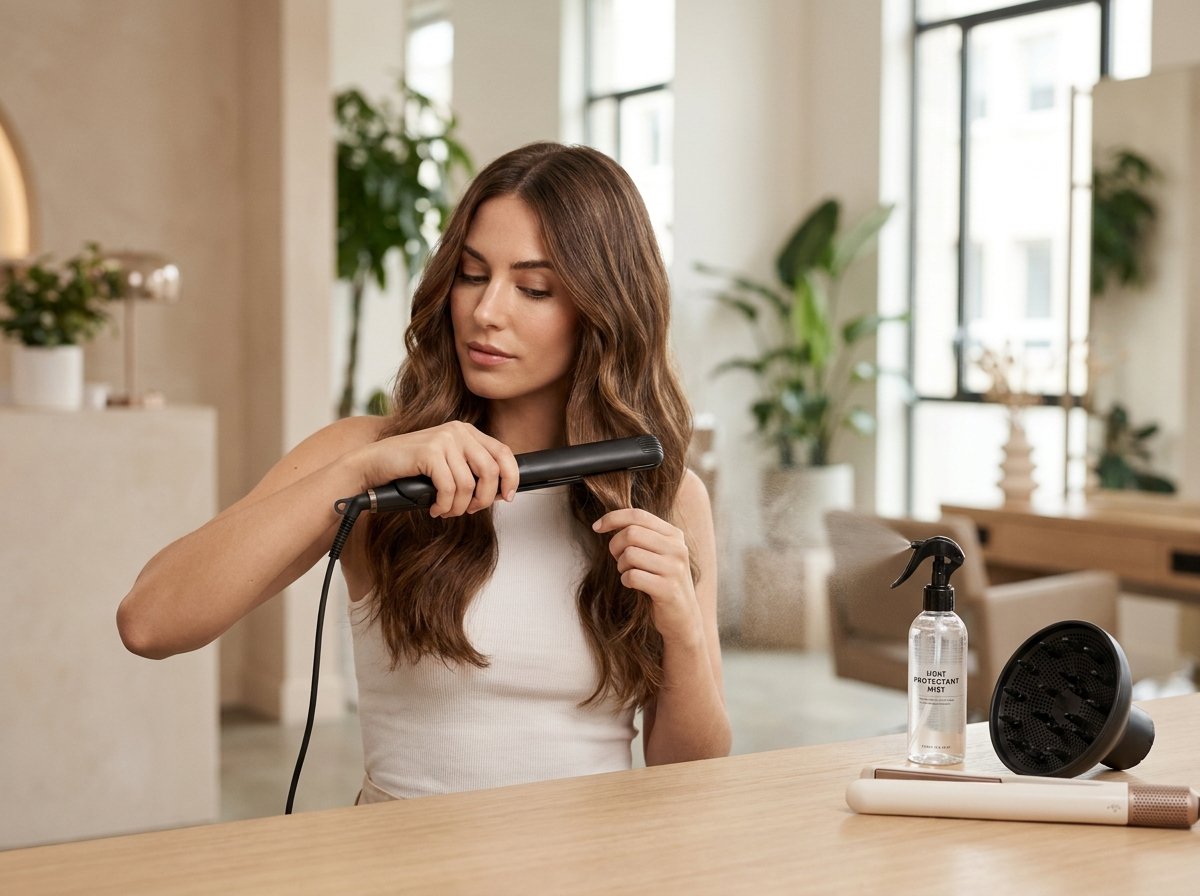
Styling frizzy hair without making it worse means using less heat, always with a heat protectant, and never running a hot tool over already-frizzy dry hair. Excessive heat weakens the cuticle over time, which leads to more dryness and more frizz, so the goal is to protect and minimize. Before any blow dryer or iron, apply a heat protectant and keep the temperature on low or medium.
Technique makes a difference too. Keep hot tools moving rather than holding them on one section, and give your hair heat-free days when you can. Going over dry, frizzy hair with a flat iron often scorches it and makes things worse, so smooth with product first or start from clean, conditioned hair. Match your tools to your hair, use a diffuser for curls to reduce disruption and finish with cool air to help the cuticle settle. The American Academy of Dermatology also recommends limiting hot tools and using heat protection when you style.
Frizzy hair by hair type
Frizz shows up differently on each hair type, so the fix shifts a little depending on whether your hair is curly, straight, wavy or color-treated. The three core ideas still apply, moisture, sealing and gentle handling, but the emphasis changes. Here is how to adjust.
Curly and coily hair
Curly and coily hair needs the most moisture and the gentlest detangling, since its shape makes it drier and more frizz-prone. Wash less often, condition generously and detangle when damp using a leave-in and a wide-tooth comb or a brush made for curls, since brushing curls dry breaks up the pattern and creates frizz. A weekly deep conditioner and a curl cream help keep curls defined instead of fuzzy. Once your curls are healthy, our roundup of styles for curly hair has plenty of ways to show them off.
Straight hair
Straight hair usually frizzes when it is dry or when short broken hairs and flyaways pop up along a smooth style. Keep it hydrated with conditioner on the ends and a light leave-in, and avoid heavy products that weigh it down. Let straight hair dry a little before brushing, since it is fragile when wet, and use a tiny bit of oil or a smoothing balm to tame flyaways. For polished looks that show off smooth strands, see our sleek straight hair ideas.
Color-treated or damaged hair
Color-treated or damaged hair frizzes because processing lifts and roughens the cuticle, leaving it porous and thirsty. Treat it gently: wash less often with a mild, color-safe shampoo, lean on weekly masks and leave-ins for moisture and keep heat low and infrequent. Regular trims remove split, frayed ends that add to frizz. Damage cannot be fully reversed, so steady moisture and prevention matter more than any single fix.
Common frizz mistakes to avoid
The most common frizz mistakes are over-washing, skipping conditioner, rubbing hair dry with a towel, over-brushing and using too much heat. Each one dries out or roughens the cuticle, which is exactly what causes frizz. Over-washing strips natural oils, so match your wash schedule to your scalp rather than washing on autopilot, and never skip conditioner on frizz-prone hair.
A few more quietly make frizz worse. Rubbing wet hair with a rough towel lifts the cuticle, so blot gently instead. Brushing dry curls or brushing aggressively causes breakage and flyaways, so detangle carefully and only as needed. Piling on product can leave buildup that dulls hair, which a clarifying wash can clear. The American Academy of Dermatology also warns that friction and rough handling drive the breakage behind a lot of frizz, so its tips for avoiding hair damage are worth following.
When to see a dermatologist about your hair
See a board-certified dermatologist if your hair keeps breaking, feels unmanageable no matter what you do or suddenly changes texture. Everyday care can smooth most frizz, but ongoing breakage, thinning or a sudden shift in how your hair behaves can point to something a routine cannot fix, such as damage, a scalp condition or an underlying health issue.
You should also check in with a professional if a product causes redness, itching or irritation, or if your scalp is very flaky or uncomfortable. A dermatologist can find the cause and suggest treatment, and addressing it sooner usually leads to better results.
Keep hair hydrated and handle it gently
Frizz is not something you have to fight forever, and it is rarely about willpower or the perfect product. It comes down to keeping your hair hydrated, sealing in that moisture and handling your strands gently through washing, drying and styling. Adjust the details for your hair type, skip the habits that dry hair out and give any new routine a couple of weeks to show. Pick one change to start with, like a leave-in or a gentler towel, and build from there.
Want to put a fresh style on your smoother hair? Explore the styling guides on Aura Hair Style and find a look that works with your texture, not against it.


One Comment