How to Make Voluminous Curls That Won’t Fall Flat
Curls that collapse by lunchtime are a common frustration, and the fix is rarely a better curling iron. Long-lasting volume comes down to preparation, technique, and a few finishing habits, none of which depend on luck or an expensive tool. Hair that has always gone flat can hold a curl once the right steps fall into place.
The sections below walk through the full process in order, from the shower to the final mist of hairspray. Whatever the hair type or curl history, the same sequence applies, and it ends in curls with real staying power.
Start With the Right Foundation
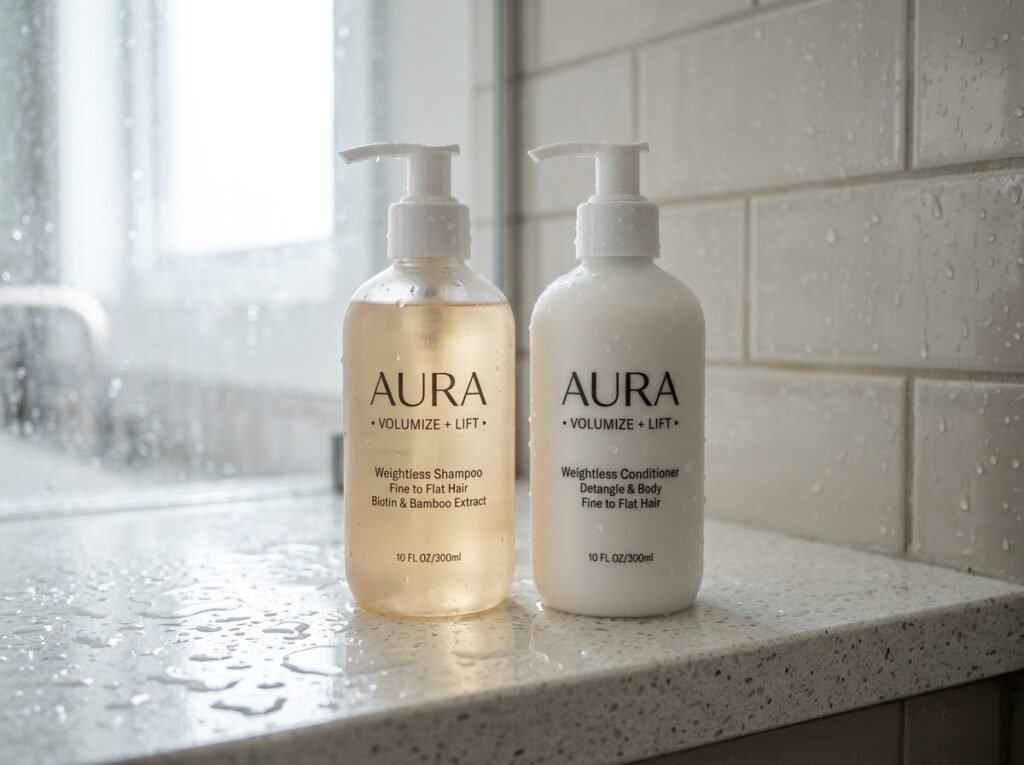
Lasting curls start in the shower, which catches a lot of people off guard. The shampoo and conditioner used before any styling set the terms for everything that follows, so a volumizing formula that adds body rather than weight is the better starting point. Heavy, ultra-moisturizing products tend to drag curls down before the day even gets going.
Where the conditioner lands matters too. Kept mostly to the ends, where the hair is driest, it leaves the roots light and lifted, and light roots are what make volume last. Saturated roots are one of the quieter reasons curls fall flat.
Prep With the Best Products
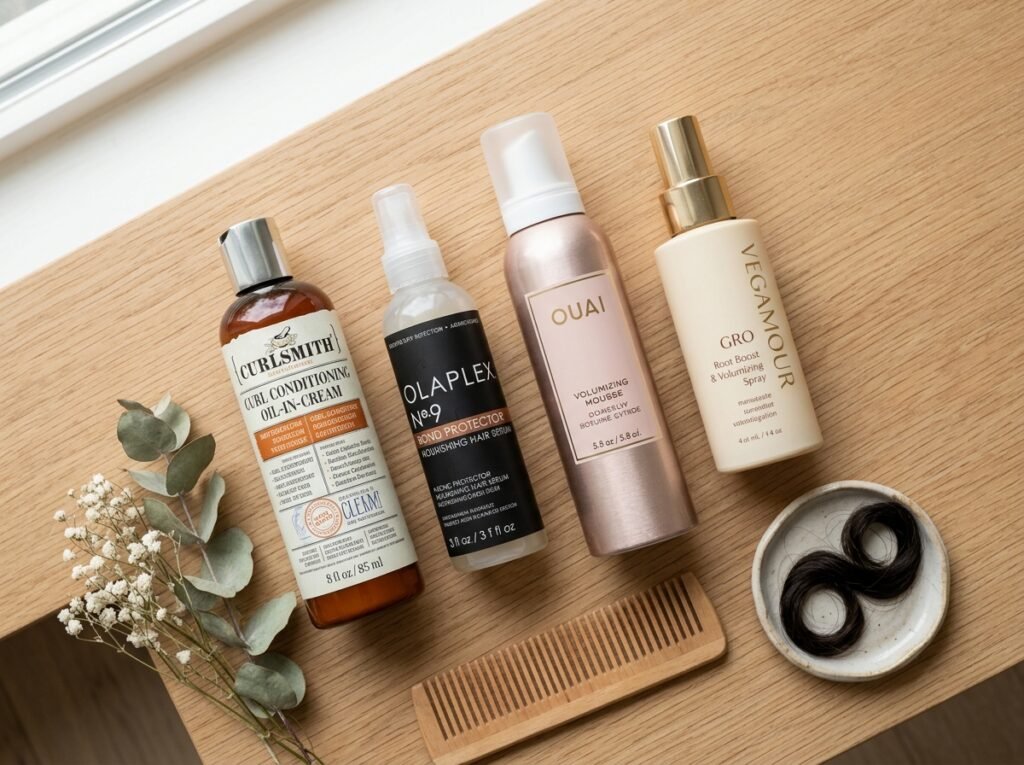
Clean hair is a blank slate, and the products layered on next decide how well a curl will hold. This is where much of the staying power is won or lost, which makes it a poor step to rush past.
Heat protectant goes on first, shielding the strands from the tools to come. After that, a volumizing mousse or a curl-enhancing cream worked from roots to ends builds the grip and texture a curl needs to keep its shape.
Root-lifting spray is worth adding for anyone chasing extra height. A little at the roots, lifted gently while drying, builds bounce from the base up rather than only at the ends.
Always Start With Dry Hair
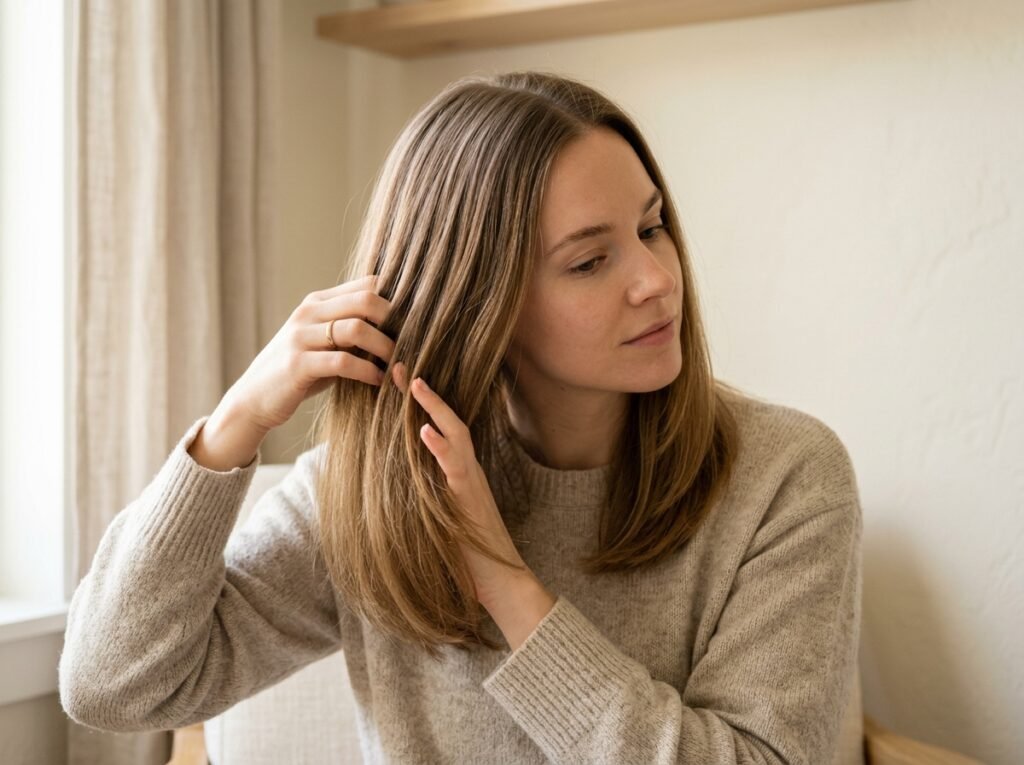
Of all the rules for curls that last, this is the one that matters most: the hair has to be fully dry before a heat tool touches it. Curling damp or even slightly wet hair simply does not hold, and it risks damaging the strand in the process, with the curl dropping almost as soon as it is released.
For anyone who blow-dries, every section should feel dry to the touch before curling begins, with no cool or damp patches hiding underneath. Building volume during that blow-dry helps as well, which is the next step. Patience here is what pays off hours later.
Build Volume While Blow Drying
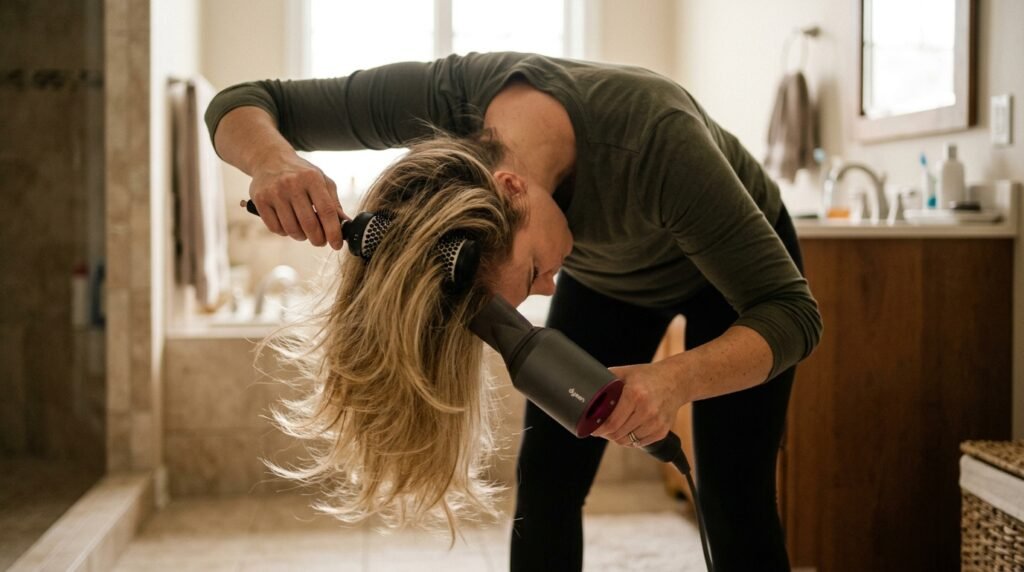
A surprising amount of the volume is built during the blow-dry, before the curling iron is even plugged in. Drying the hair with lift in mind creates a fuller base for the curls to sit on.
Flipping the head upside down and drying the roots is the quickest route to instant lift. A round brush works too, raising each section at the root while it dries. Either approach builds fullness that holds through the day, and thicker heads of hair carry that body especially well; more ideas for managing it sit in this guide to styles for thick hair.
A cool shot at the end earns its place, setting the shape and adding a bit of shine. Finishing every blow-dry with a blast of cool air locks the volume in before curling even starts.
Section Your Hair Properly
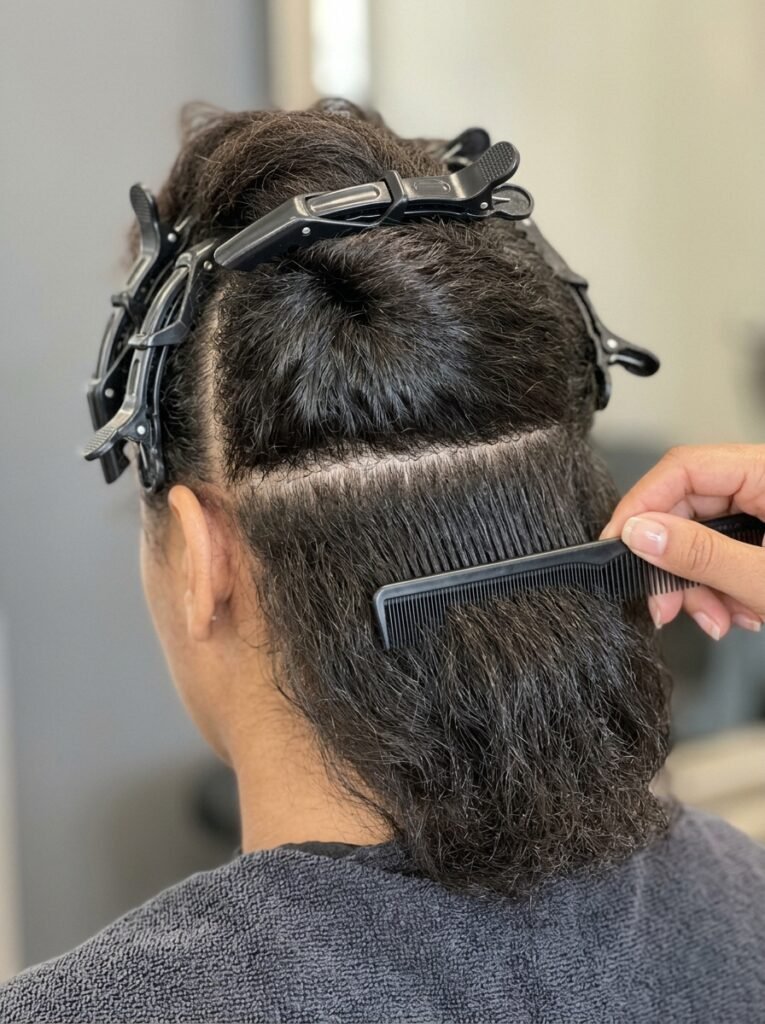
Curling large handfuls of hair at once is a shortcut that never quite works. Neat, manageable sections are what produce full, even curls, so the few minutes spent dividing the hair first are rarely wasted.
A practical approach is to split the hair into horizontal layers, clip the upper ones out of the way, and curl small sections from the bottom layer upward. Smaller sections also hold longer, since big ones loosen and drop far sooner, so erring on the smaller side pays off in both evenness and staying power.
Choose the Right Tool and Heat
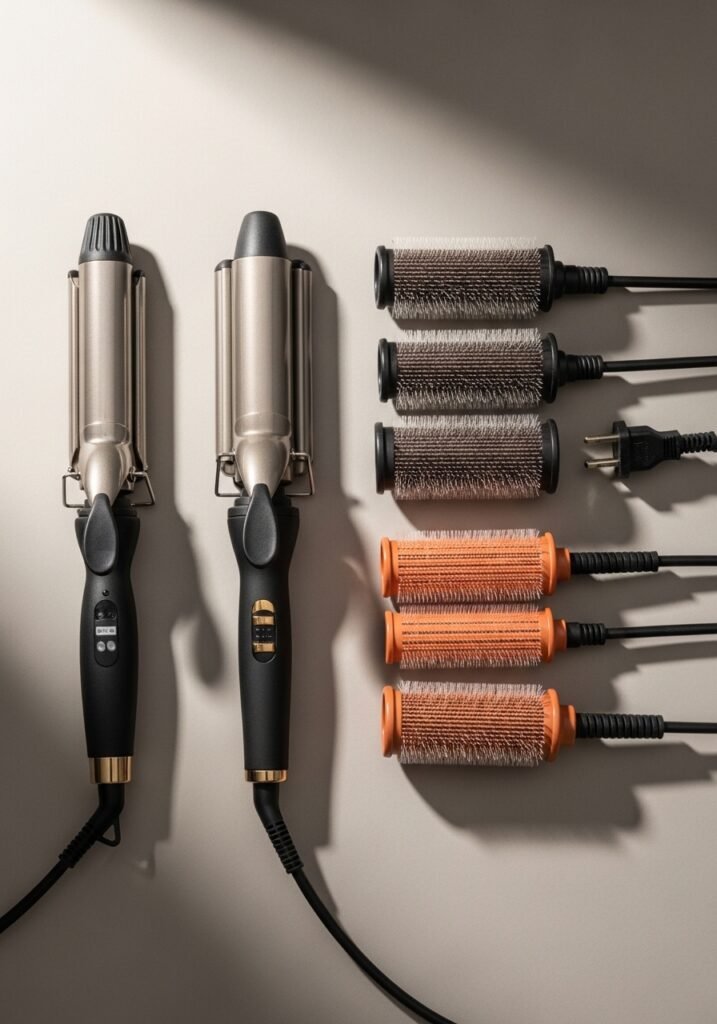
The tool shapes the result as much as the technique does. A curling iron, a wand, or even hot rollers can each produce full, lasting curls, so the choice comes down to the hair itself and the look in mind.
Barrel size is the lever for curl size. A smaller barrel turns out tighter, bouncier curls that tend to hold longer, while a larger one relaxes the shape. Matching the barrel to the desired curl is what keeps the outcome predictable.
Heat settings deserve a second look, since hotter is not better. The lowest temperature that still forms a curl is the one to use, protecting the strand while still delivering the shape. Cranking the dial high mostly buys damage.
Master Your Curling Technique
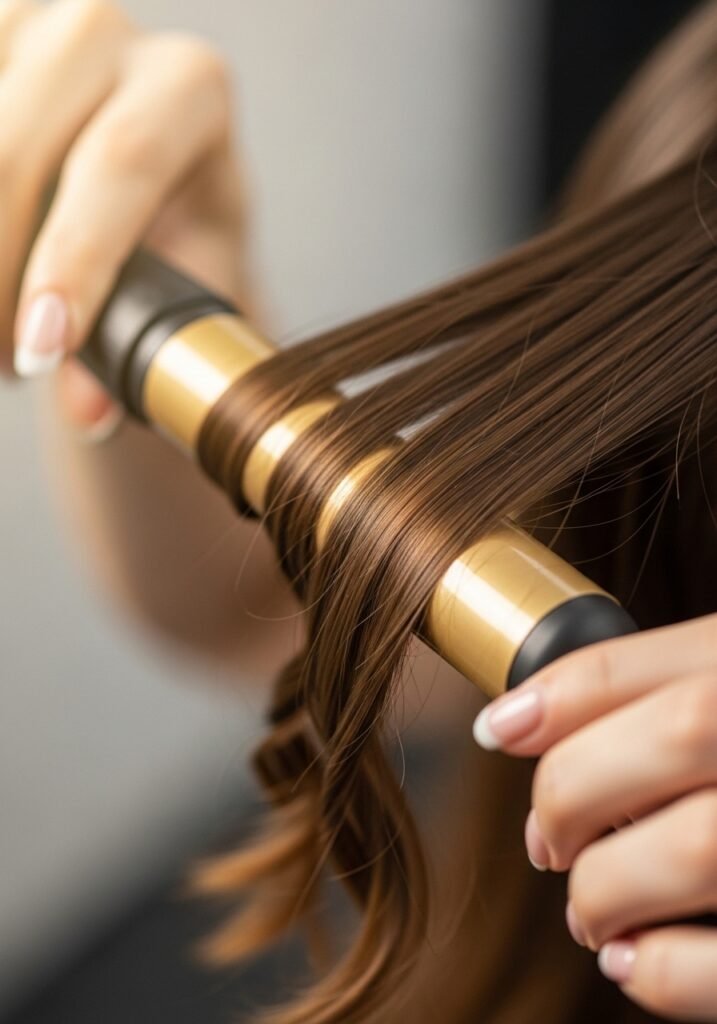
Technique is where a curl is made or lost, and small adjustments in how each section is wrapped change the volume and hold noticeably. Wrapping each section away from the face gives the classic, flattering finish, and holding the curl for a few seconds before a gentle release is what makes it defined rather than droopy.
Direction is the other lever. Alternating it, with some sections curled forward and others back, reads as natural, fuller volume, where curling everything the same way can look uniform and stiff. The mix is what keeps the result from looking set in place.
Let Curls Cool Before Touching
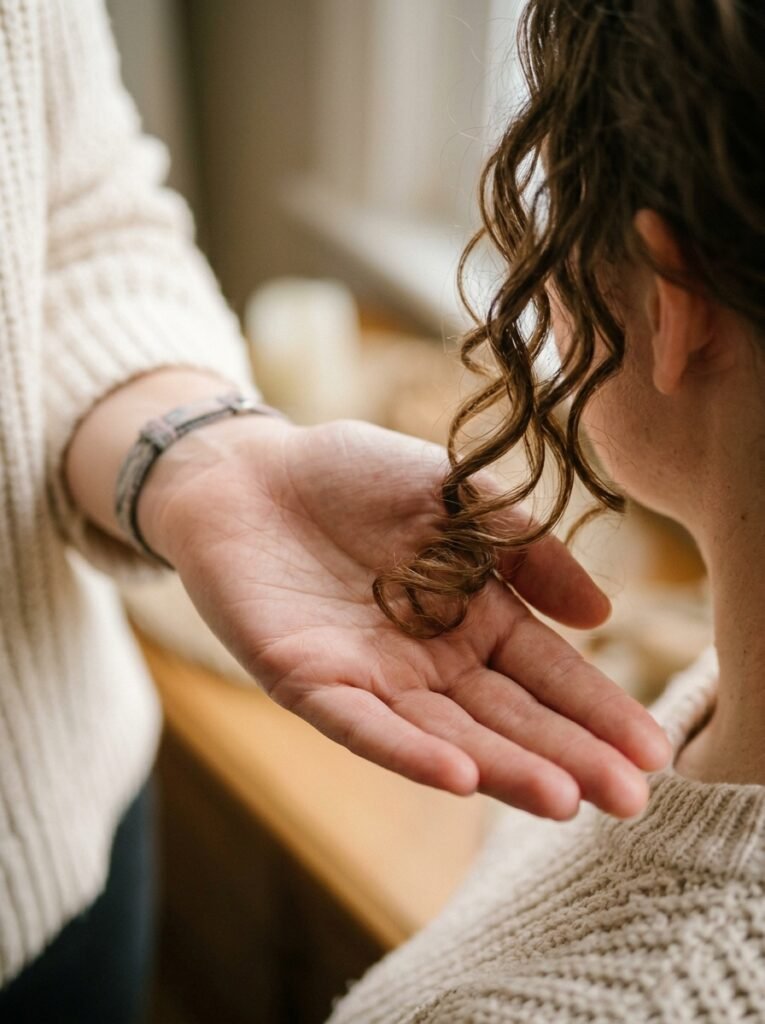
This is the step most often skipped, and it quietly decides how long the curls survive: each curl has to cool completely before it is touched. The reason is structural rather than fussy.
Heat works by temporarily breaking the weak hydrogen bonds that hold hair in its natural shape; as the hair cools in its new curled position, those bonds re-form and lock the shape in, a process a chemist at the University of Maryland, Baltimore County explains in more detail here. Release a curl while it is still warm and soft and there is nothing set to hold it; catch it in the palm and pin it, and it firms up as it cools.
That cooling window is exactly what separates curls that last all day from curls that fall by mid-morning. A few minutes of patience before doing anything else lets the shape settle for good.
Pin Curls to Set Them
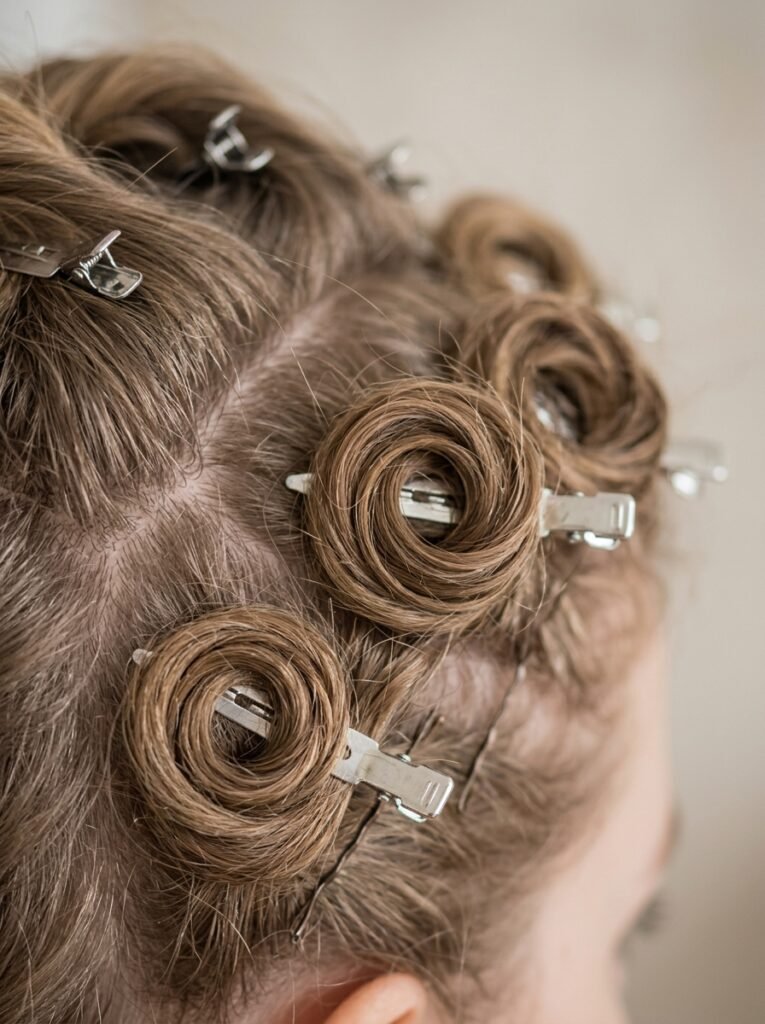
For maximum hold, pinning the curls as they cool takes the cooling principle one step further. It costs almost no time and makes a clear difference, which earns it a place in the routine.
The method is simple: after releasing each curl, roll it up toward the scalp and pin it, then leave the whole set to cool while the rest of the hair is styled. Once everything is cool, the pins come out and a gentle shake loosens the curls into tight, springy spirals, an old-school trick that still outperforms most shortcuts.
Set Everything With the Right Products
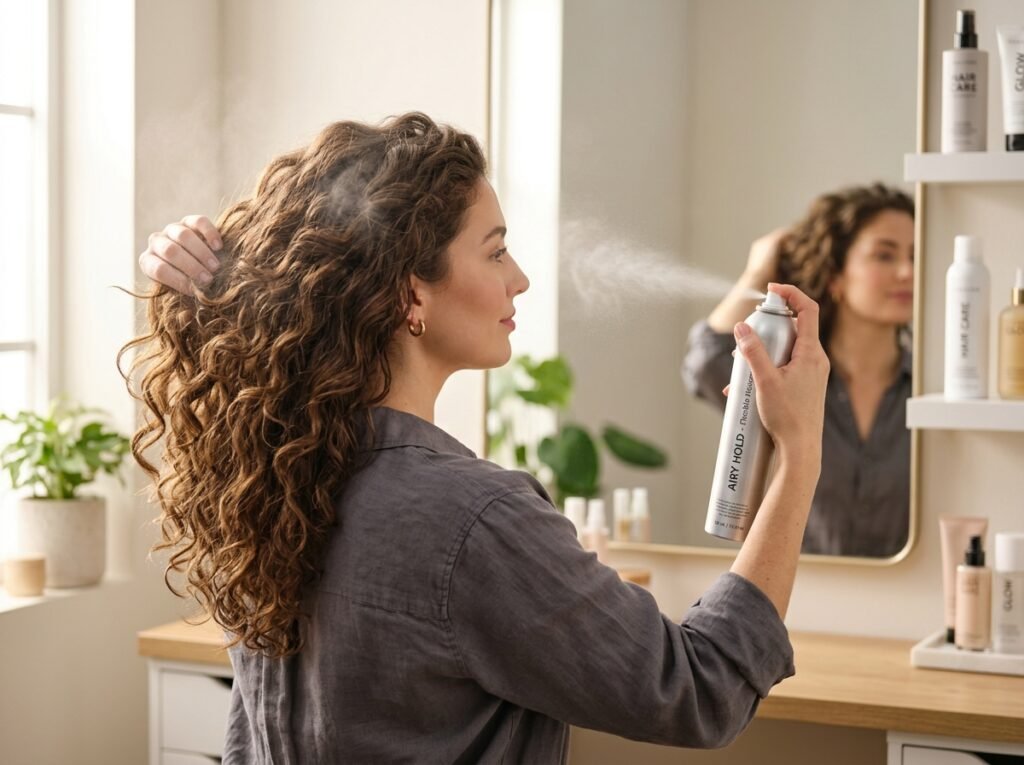
Finishing products are the line between curls that last and curls that flop by afternoon. The right hairspray seals in the work already done, which makes this final step a poor one to skip.
A flexible-hold spray beats a stiff, crunchy one every time. A light mist keeps the curls soft and natural while still holding the shape, so they move instead of freezing in place.
A little texturizing spray adds grip and volume on top of that. Worked through the roots and lengths, it keeps the curls full and bouncy well into the evening.
Avoid Common Curl Killers
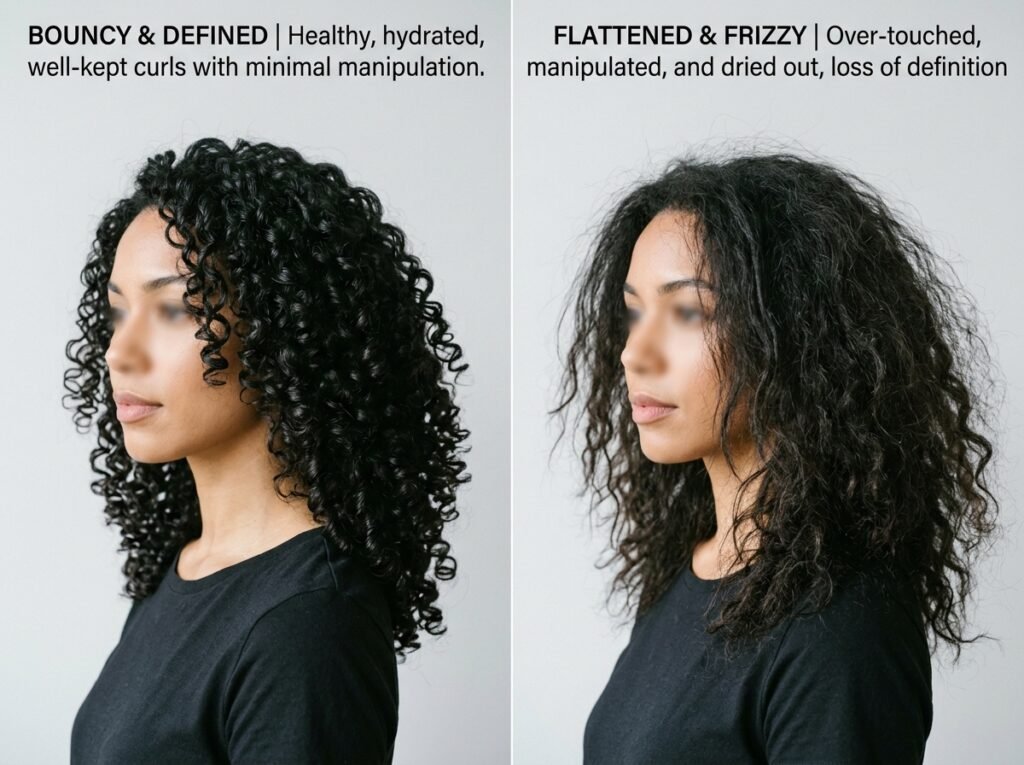
Sometimes it is the small habits that undo otherwise good curls, so knowing what to avoid matters as much as knowing what to do. The biggest culprits are constant touching and brushing, which break curls down fast, along with heavy products and humidity that weigh them flat.
The simplest protection is to keep hands out of the curls once they are set. When a refresh is needed, a little hairspray does the job without disturbing the shape. For curls, hands-off is usually the kindest policy.
Refresh and Maintain Your Curls

Even well-made curls need some upkeep to stay full, and knowing how to revive them can stretch their life by hours or even days. A couple of small habits do most of the work.
Overnight is where curls are usually lost. Sleeping on a silk pillowcase, or loosely pinning the curls up before bed, protects them from flattening and frizzing, so morning hair still has plenty of life left in it.
The next day, a quick spritz of water or texture spray followed by a gentle scrunch brings the curls back, turning one curling session into several good days. The same refreshing habits carry over to natural curls, covered further in this roundup of curly hairstyles for 2026.
Final Thoughts
Put together, these steps show how reachable full, lasting curls actually are. Good prep, smart technique, and proper setting are the whole formula, and a little practice turns them into a dependable everyday result rather than an occasional lucky one.
Every head of hair behaves a bit differently, so some adjusting is expected while the right products and timing come into focus. The routine tends to feel quick and automatic before long, and the payoff is curls that finally stay put.
Frequently Asked Questions
Why do curls fall flat so quickly? Usually a key prep or setting step got skipped. Curling damp hair, using heavy products, or touching the curls before they cool are the common culprits, and letting each curl cool fully before touching it makes the biggest difference.
Should hair be curled wet or dry? Always fully dry. Damp hair will not hold a curl and can be damaged by the heat, so every section should be dry to the touch before styling starts.
What products help curls last longer? A volumizing mousse, a heat protectant, and a flexible-hold hairspray are the core three, with a texturizing spray for extra grip and volume. Together they help the curls keep their shape for hours.
How can more volume be added at the roots? Blow-drying the roots upside down is the quickest way to lift them. A root-lifting spray adds more fullness, and pinning the curls toward the scalp as they cool boosts the volume further still.
How can curls be made to last overnight? Protecting them during sleep is the trick, and a silk pillowcase or loosely pinned curls both prevent flattening. In the morning, a light spritz and a gentle scrunch revive them for another day or more.